Virtual sitting protects patients and caregivers

AI-enhanced observation on the Solo™ platform helps you prevent falls before they happen, extend coverage far beyond one-to-one sitters, and make safety a system-wide standard instead of a nightly staffing decision.
 

Safety shouldn't depend on how many sitters you can find tonight

One-to-one observation is the most expensive kind of coverage there is — and it still has gaps.

Unreimbursed Cost

The most expensive kind of coverage — with no offsetting revenue.

Borrowed Staff

Coverage pulled from techs and CNAs, thinning care everywhere else.

Rounding Gaps

Falls happen in the minutes between checks, not during them.

Mismatched Settings

Behavioral health patients wait in EDs and units never built to watch them.

Staff risks

Staff delivering care face rising risks of their own. Adding more sitters doesn't scale safety. A system does.

Continuous observation, immediate intervention

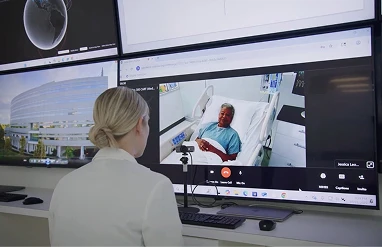
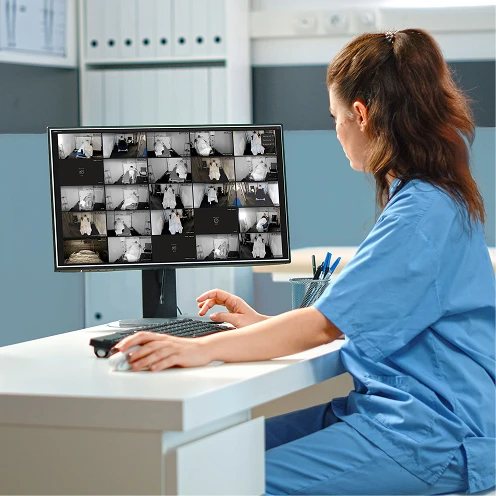
Remote safety monitors watch multiple at-risk patients using the in-room Solo device. They speak to patients to prevent risky movement and alert bedside staff when needed, while clinical consults continue on the same device. Program leaders see patient status, alerts, and response times in real time.

More coverage for high-risk moments. Plus more time back for your teams.

Around-the-clock virtual observation, with AI that surfaces risk before it anything happens.

Virtual observation helps address fall risk and unsafe movement, interference with lines, tubes, and treatment devices, behavioral health needs, and staff safety.

Predictive AI picks up the early signs of risk. A remote observer responds in the moment and brings bedside staff in when needed, while leaders gain program-level visibility and reporting.

What changes when observation becomes a safety layer

Prevent harm before it happens

Proactive risk detection and immediate response — Not a recording of what already went wrong.

Extend coverage without extending headcount

One trained observer watches over multiple patients, replacing costly one-to-one sitter hours.

Protect your people, too

Observation that extends to workplace safety, supporting staff in the moments when they need it.

Run safety as a system, not a scramble

Consistent standards, dashboards, and escalation protocols across every unit and every site.

More than virtual sitting

Virtual sitting is one powerful application of Solo. The same platform, devices, and infrastructure that support virtual observation can connect to other clinical programs across the enterprise — giving health systems one foundation to build on as needs evolve.

See how the Solo Platform brings it all together.

AI isn't a separate product on Solo — intelligence is built across the platform.

It works alongside your virtual nurses — surfacing signals, easing documentation, and lightening everyday workflows. Same room. Same device. New intelligence.

Explore AI & Smart Rooms
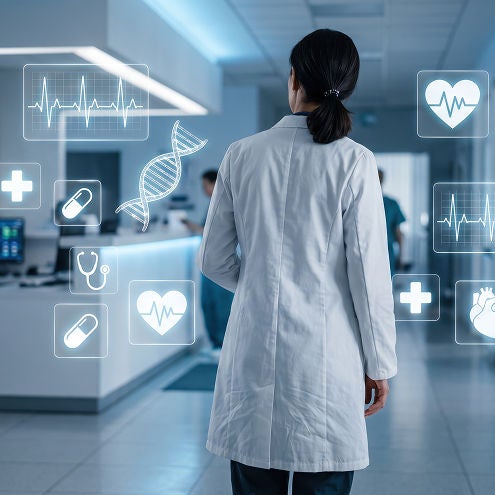
Doctor in a white coat holding a hand beneath a glowing digital healthcare interface with medical icons, including a heart, brain, laboratory flask, and medical cross.

Safety results our clients report

98%

fall reduction

$500K

sitter cost avoidance

200+

observation hours saved

92%

response/adverse-event measure

**Internal Teladoc Health Data

Still have questions?

  • Virtual sitting — also called virtual patient observation — uses trained remote monitors and AI-enabled technology to watch over at-risk patients without a staff member in the room. One observer covers multiple patients at once, with immediate escalation to bedside teams the moment intervention is needed. 

  • A remote safety monitor views live feeds from in-room Solo devices, speaks directly with patients to redirect risk, and alerts bedside staff instantly. The platform's AI adds a proactive layer, analyzing movement and behavior to flag danger before an incident occurs. 

  • Most vendors sell a single-purpose monitoring application. On Solo, observation shares a platform and a device with virtual nursing, specialist consults, and AI — one vendor, one governance model, and an investment that compounds instead of accumulating silos. 

  • Clients report fewer falls and adverse events, meaningful reductions in unreimbursed sitter spend, faster intervention when patients need help, and bedside teams freed to focus on clinical care.

  • Yes. Safety monitoring and virtual clinical care — nursing, consults, education — run concurrently on the same Solo device without disrupting each other. That concurrency is a core advantage of the platform approach. 

  • Yes. The same observation infrastructure supports behavioral health monitoring and extends safety awareness to the care team itself — one layer protecting everyone in the room. [CONFIRM: workplace-safety and behavioral health capability claims] 

Make safety a standard, not a staffing decision