For many hospitals and health systems, virtual care growth has happened one use case at a time. A telehealth program for ambulatory visits. A virtual sitting solution for patient safety. A virtual nursing pilot to support bedside teams. A specialty consult model. A remote patient monitoring workflow. A new AI-enabled tool for documentation, monitoring, or clinical decision support.
Individually, each investment may solve a real problem. But collectively, they can create a new one: fragmentation.
As virtual care becomes a standard part of care delivery, health systems are increasingly confronting the limits of point-based growth. What once allowed teams to move quickly can become difficult to scale. Each new solution may bring its own login, workflow, integration requirement, reporting structure, training process, governance model, and vendor relationship.
At a small scale, that complexity may be manageable. At enterprise scale, it becomes a barrier to value.
The limits of point-solution expansion
Point solutions can be useful when an organization needs to address a narrow, immediate problem. They often help teams test a concept, respond to a specific operational need, or stand up a capability quickly.
The challenge comes later.
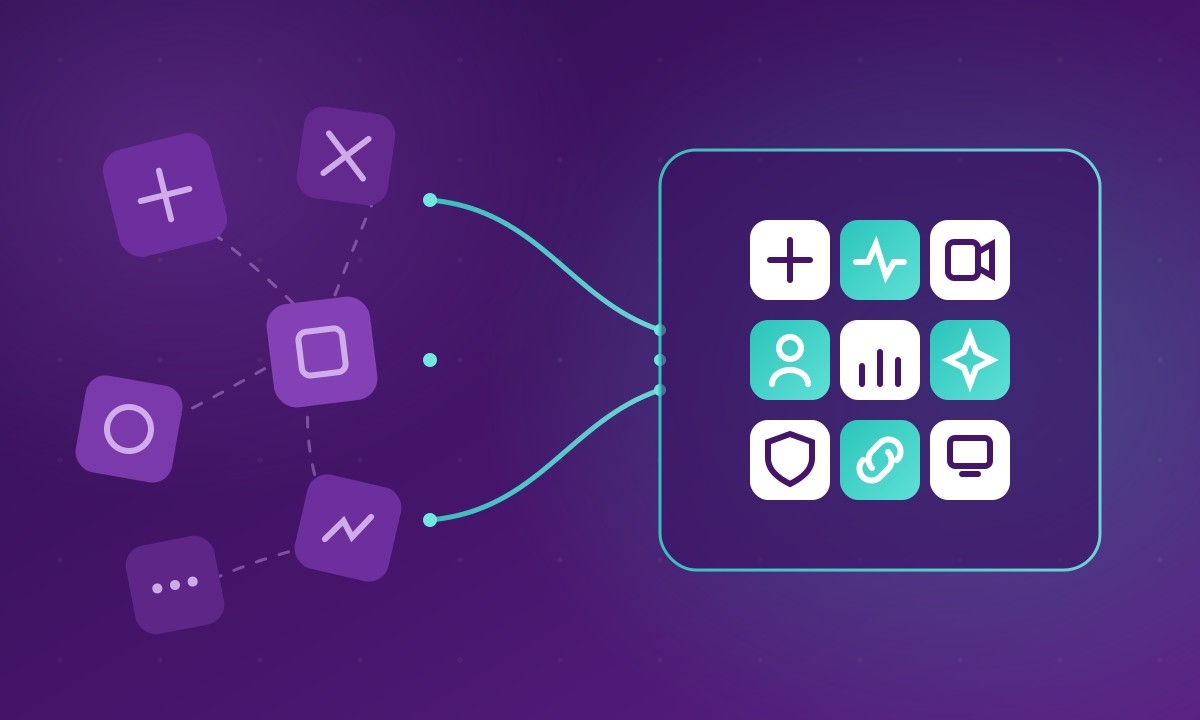
As use cases multiply, health systems often find themselves managing a growing portfolio of disconnected tools. Different departments may use different technologies for similar virtual care workflows. Clinicians may need to move between systems to complete tasks. IT teams may be asked to build and maintain one-off interfaces. Leaders may struggle to compare performance across programs because data is fragmented across platforms.
The result is not simply technical inconvenience. It is operational drag.
Fragmentation can make virtual care harder to govern, harder to measure, and harder to scale. It can also limit the organization’s ability to adopt AI responsibly. When data, workflows, and oversight are distributed across disconnected systems, AI-enabled capabilities become more difficult to evaluate, integrate, and manage.
For health systems looking to expand virtual care and AI, the question is no longer, “What individual tool do we need next?” The better question is, “What foundation will allow us to scale what comes next?”
What makes a platform approach different
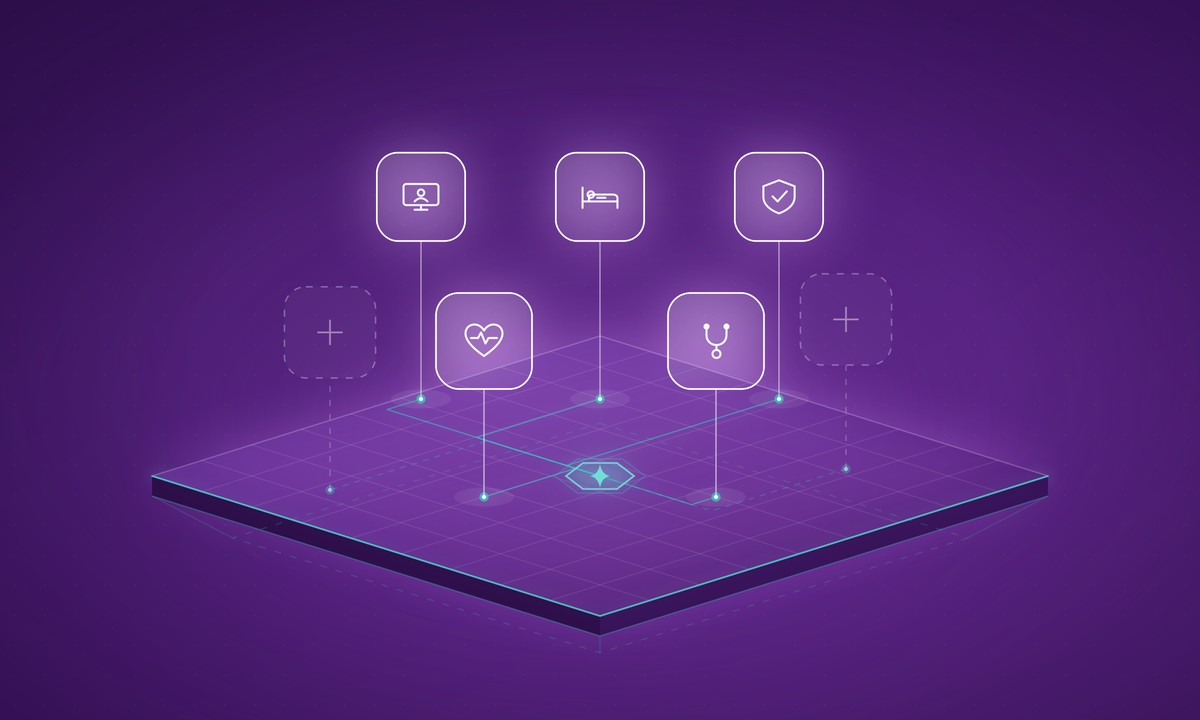
A platform approach treats virtual care as shared enterprise infrastructure rather than a collection of individual programs. Instead of adding a new tool for every department, role, or use case, a platform model allows organizations to build on common capabilities. The same foundation can support multiple care settings, workflows, and clinical roles. New use cases can be added without requiring the organization to start from scratch each time.
A strong virtual care platform should help health systems:
- Support multiple virtual care models through shared infrastructure
- Integrate with existing clinical systems and EHR workflows
- Reduce the need for parallel tools and duplicate processes
- Enable consistent governance across departments and sites
- Scale to new use cases without creating unnecessary operational burden
- Support AI-enabled capabilities inside clinical workflows, not alongside them
The goal is not technology consolidation for its own sake. The goal is to create a foundation that makes virtual care easier to expand, easier to manage, and more valuable over time.
Why this matters for AI
AI is accelerating the need for a platform strategy. As AI-enabled capabilities become embedded in virtual care environments, health systems will need to decide how these tools are introduced, governed, monitored, and measured. Without a common foundation, AI adoption can become another source of fragmentation.
A point-based approach to AI may lead to separate tools for documentation, patient monitoring, virtual nursing, decision support, and administrative workflows. Each may have different data requirements, clinical implications, oversight needs, and integration dependencies.
A platform approach creates a more sustainable path. When AI operates within shared workflows and governance structures, it can support care teams without increasing cognitive burden or introducing unnecessary complexity.
This is especially important because AI’s value depends on context. It needs to work within the environments clinicians already use. It needs to surface relevant information at the right time. It needs to support decision-making without forcing teams into another screen, another process, or another disconnected system. In other words, AI should not become another point solution. It should become an embedded capability within the enterprise virtual care model.
From linear growth to compounding value
In a point-solution model, value often grows linearly. Each new program requires new effort, new configuration, new oversight, and new adoption work. In a platform model, value can compound.
The same infrastructure can support additional roles. The same workflows can be adapted across settings. The same data and intelligence can inform performance across a broader footprint. The same governance model can guide expansion as new use cases emerge.
That is what makes a platform strategy so important. It allows health systems to move from isolated virtual care activity to enterprise enablement.
Questions leaders should ask
As health systems evaluate their virtual care strategy, leaders should ask:
- Are our current virtual care tools connected, or are they operating in silos?
- How much integration work is required every time we add a new use case?
- Are clinicians required to learn different tools for similar workflows?
- Can we measure value consistently across programs?
- Do our current systems support future AI-enabled workflows?
- Will our current model become easier or harder to manage as we scale?
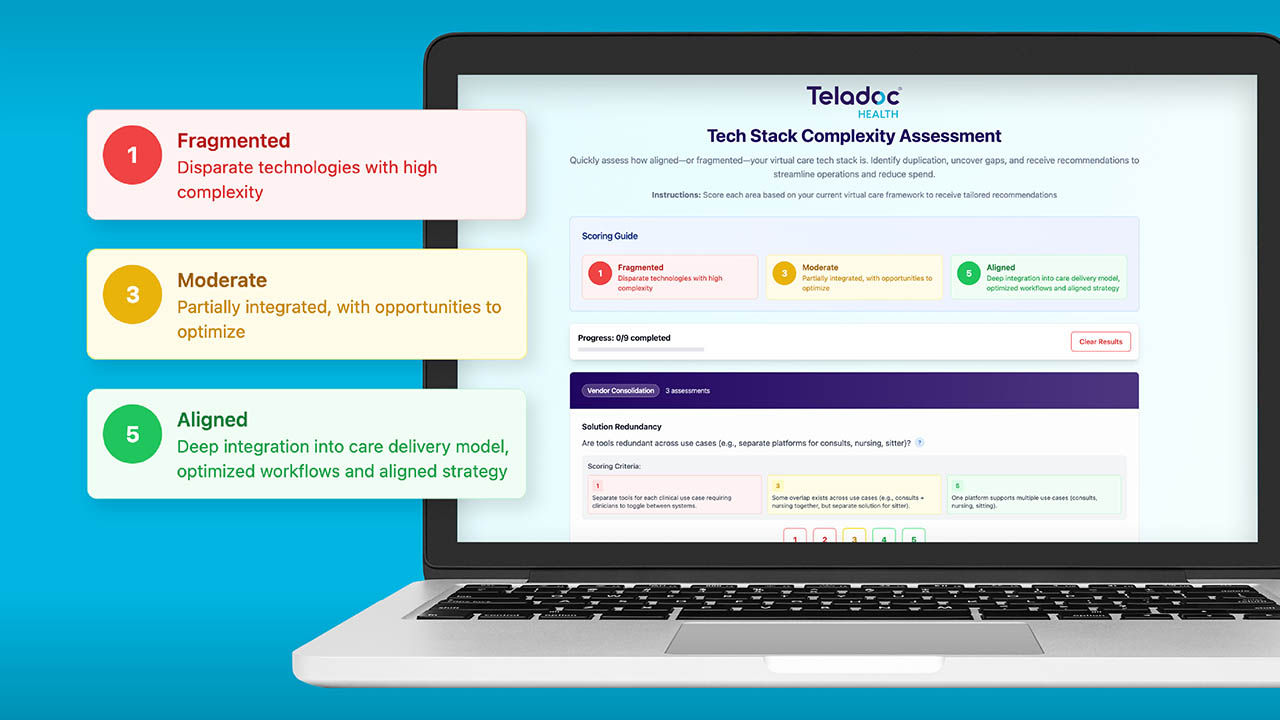
The answers to these questions can reveal whether the organization is positioned for enterprise growth or accumulating complexity.
The next phase of virtual care requires a stronger foundation
Virtual care is no longer an isolated digital health initiative. It is becoming part of the operating model for hospitals and health systems. That shift requires a different approach.
Organizations that continue adding disconnected tools may solve near-term problems but create long-term barriers. Organizations that invest in shared infrastructure, interoperability, governance, and workflow consistency will be better positioned to scale virtual care and AI sustainably.
The future of virtual care will not be defined by how many tools an organization deploys. It will be defined by how well those tools work together to support care teams, patients, and enterprise priorities.
Ready to evaluate your virtual care infrastructure? The Enterprise Virtual Care and AI Playbook includes practical frameworks for assessing your current infrastructure, identifying where fragmentation will limit future value, building the business case for platform consolidation, and designing a roadmap that creates compounding returns over time.