Virtual care is no longer an emerging capability.
Hospitals and health systems have expanded telehealth, launched new virtual programs, and proven quality outcomes by leveraging virtual care. For many organizations, telehealth has become part of their fabric for transforming and sustaining care transformation.
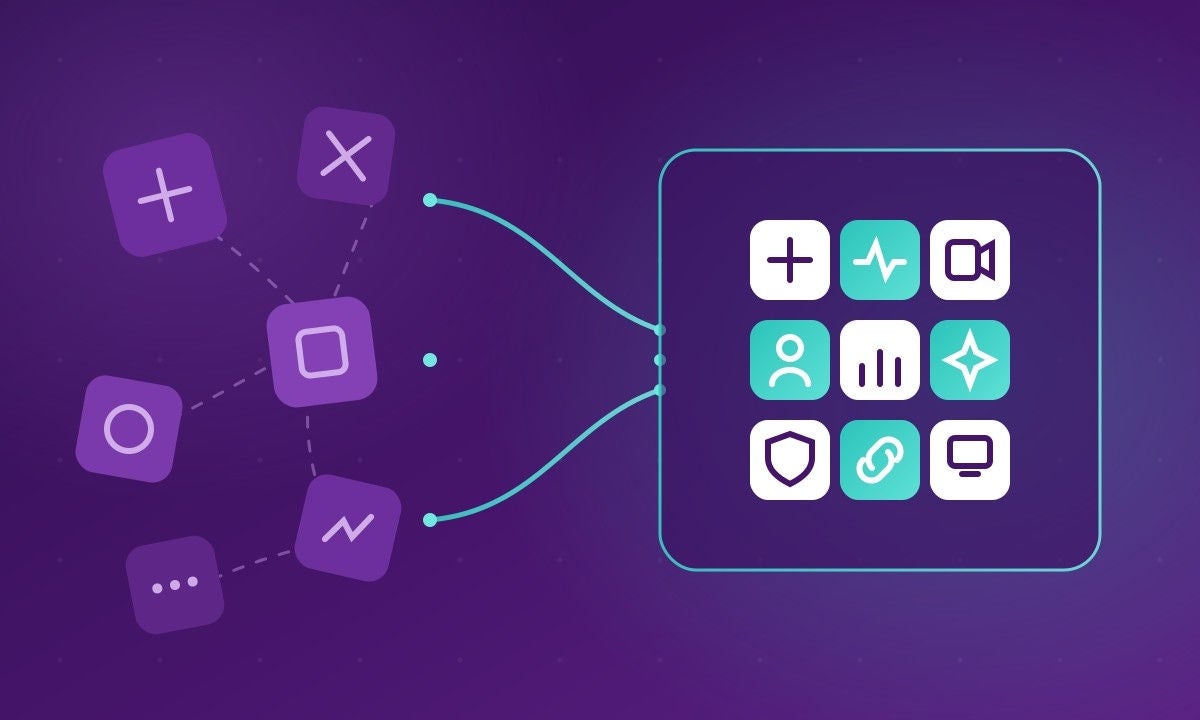
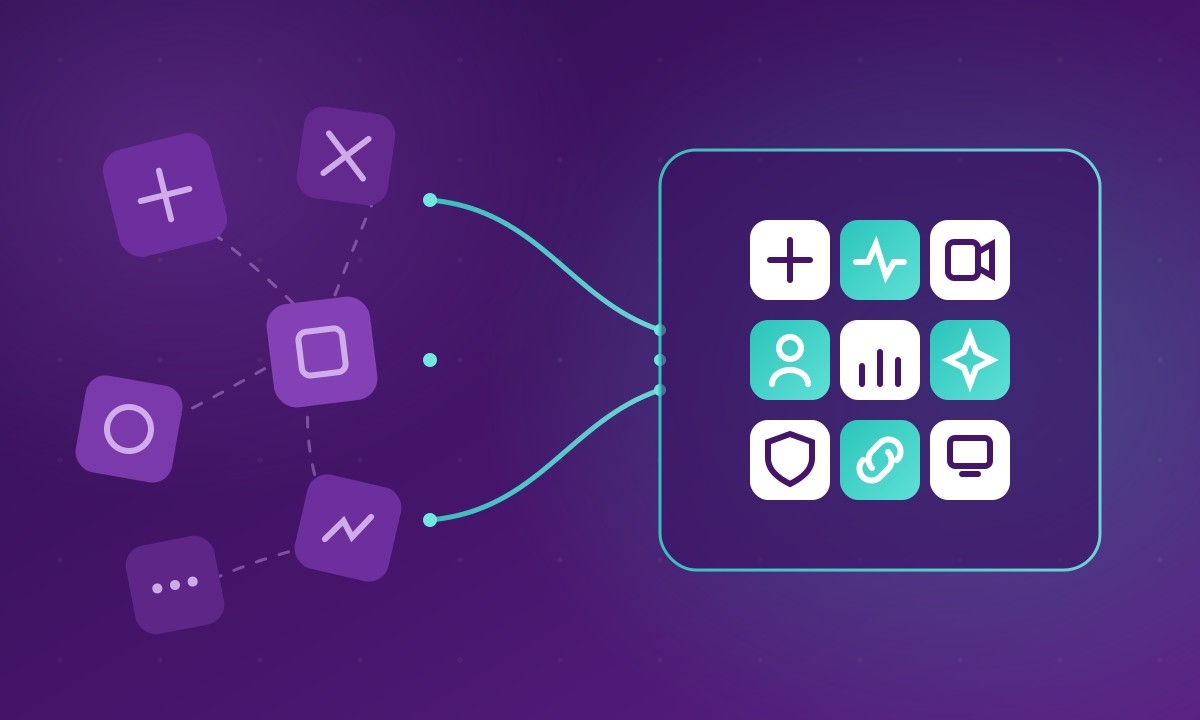
The challenge has changed. Where the first era of virtual care asked whether organizations could deliver care virtually at all, the current era asks something more pressing: can the programs, tools, and infrastructure built separately function as a unified capability? For many organizations, the honest answer is not yet. The tools work, yet the integrations are often fragile, and workflows are frequently siloed. Every new program requires consideration to whether the underlying architecture will become more difficult to manage, and if the program will worsen, not help, the care team due to fragmentation.
What fragmentation actually costs
The direct costs of fragmented virtual care infrastructure are visible, and taken individually, manageable – multiple vendor contracts, separate training requirements, parallel support agreements. The hidden costs are more significant.
When infrastructure is fragmented, every new use case requires a new integration build. Care teams move between disparate platforms with different interfaces, logins, and workflows. IT teams spend bandwidth maintaining point-to-point connections rather than extending capabilities. Most critically, AI capabilities, which depend on consistent data flow and workflow integration, become nearly impossible to deploy meaningfully across the enterprise when the underlying infrastructure isn’t unified.
What a platform approach actually means
The word “platform” is used loosely enough that it can dilute its meaning. For the purposes of virtual care infrastructure, a platform approach has specific and measurable characteristics:
- Native integration to the EHR and other core clinical systems, built on standards rather than fragile custom connections
- Standards-based interfaces — HL7, FHIR — that enable compatibility with future tools and use cases without requiring new integration builds for each addition
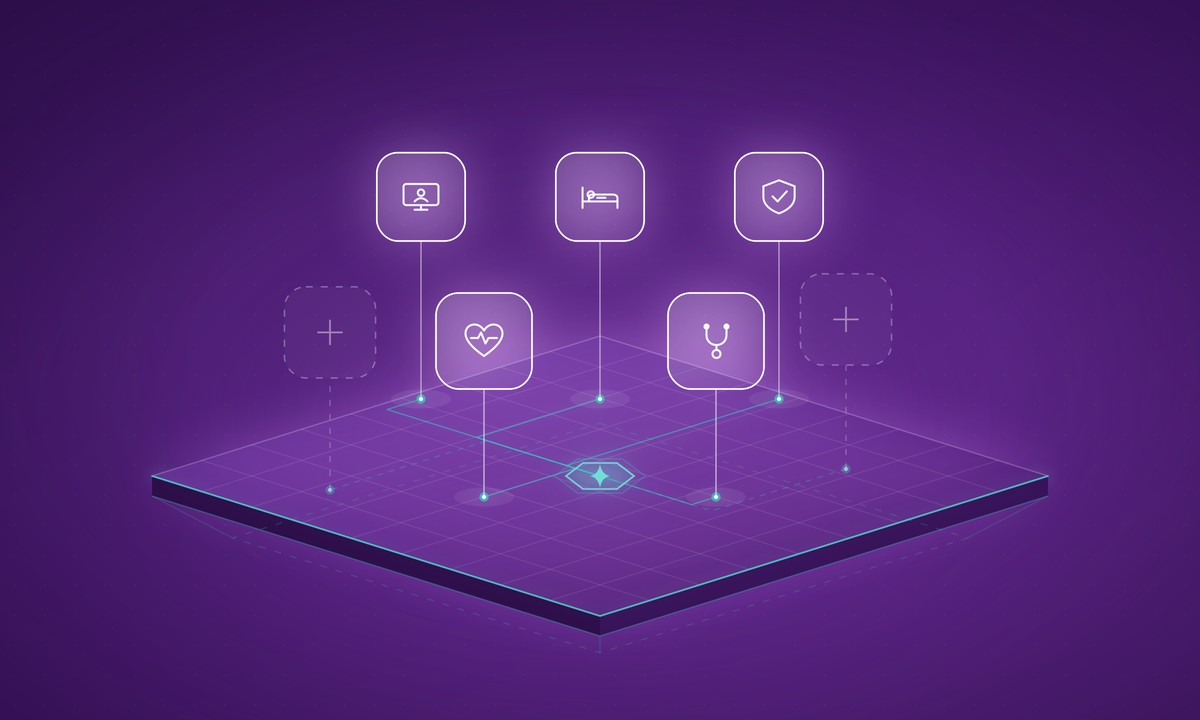
- Shared infrastructure across departments and care settings, so expanding to a new use case or care location type extends what already exists rather than standing up something parallel
- A clear pathway for AI that treats it as an embedded capability within clinical workflows, not a separate tool layered on top
The practical test is this: when your organization wants to add a new virtual care capability or extend an existing program to a new care setting, what does that actually require? If the answer consistently involves a new integration contract, a new vendor implementation, or significant IT engagement to connect systems, the infrastructure is likely functioning as a collection of point solutions rather than a platform.
How to make the consolidation case internally
The decision to prioritize platform consolidation over program expansion is a meaningful strategic and financial commitment, and it requires building an internal case. The strongest arguments are grounded in total cost of ownership — what is the organization actually spending to maintain its current architecture, including integration maintenance, vendor management overhead, and the opportunity cost of slow deployment timelines and lack of adoptability for new capabilities?
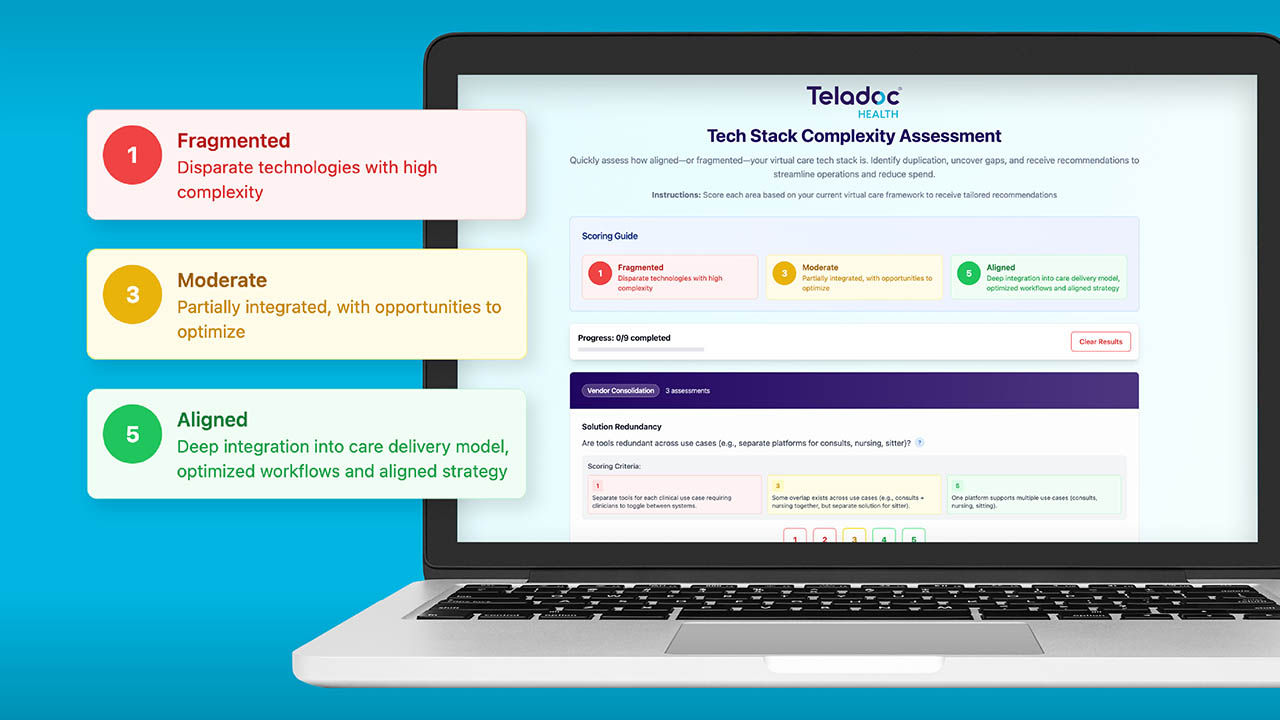
Leaders who have made this case effectively tend to start by mapping the integration landscape honestly: how many point-to-point connections exist, how many are maintained by third-party contractors, and what the failure or risk looks like across each. The resulting picture is often the most persuasive argument for consolidation, even for audiences skeptical of infrastructure investment.
The consolidation path does not require replacing everything at once. The strongest approaches are built incrementally, with each new capability decision weighted by whether it extends the platform or adds to the sprawl. Organizations that build this discipline into their decision-making process find that the infrastructure problem gradually resolves itself — while those that continue optimizing individual programs find the ceiling getting lower with each addition.
Ready to evaluate your virtual care infrastructure? The Enterprise Virtual Care and AI Playbook includes practical frameworks for assessing your current infrastructure, identifying where fragmentation will limit future value, building the business case for platform consolidation, and designing a roadmap that creates compounding returns over time.