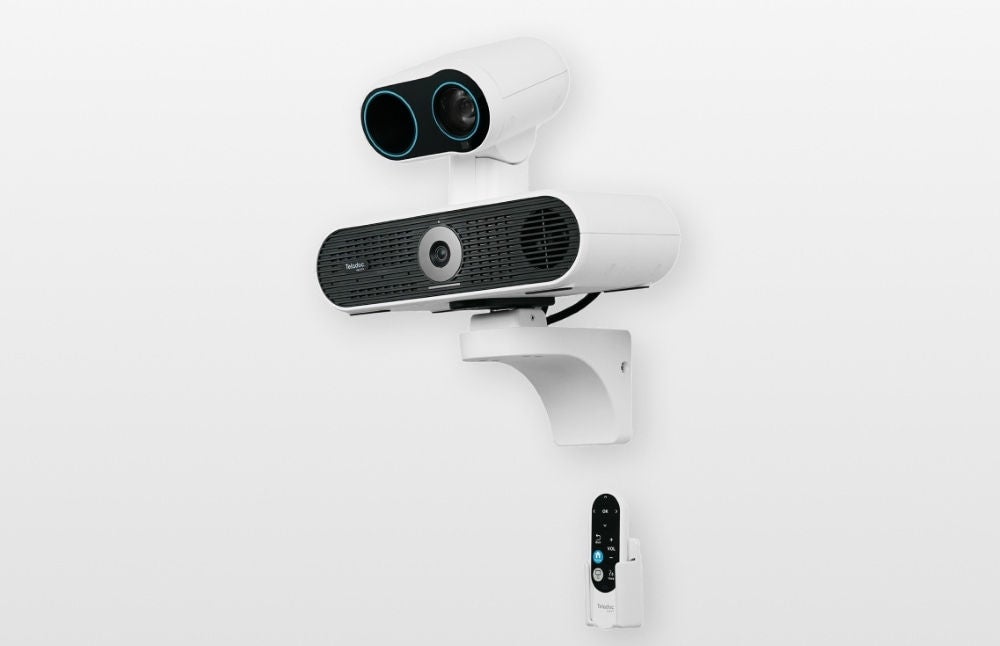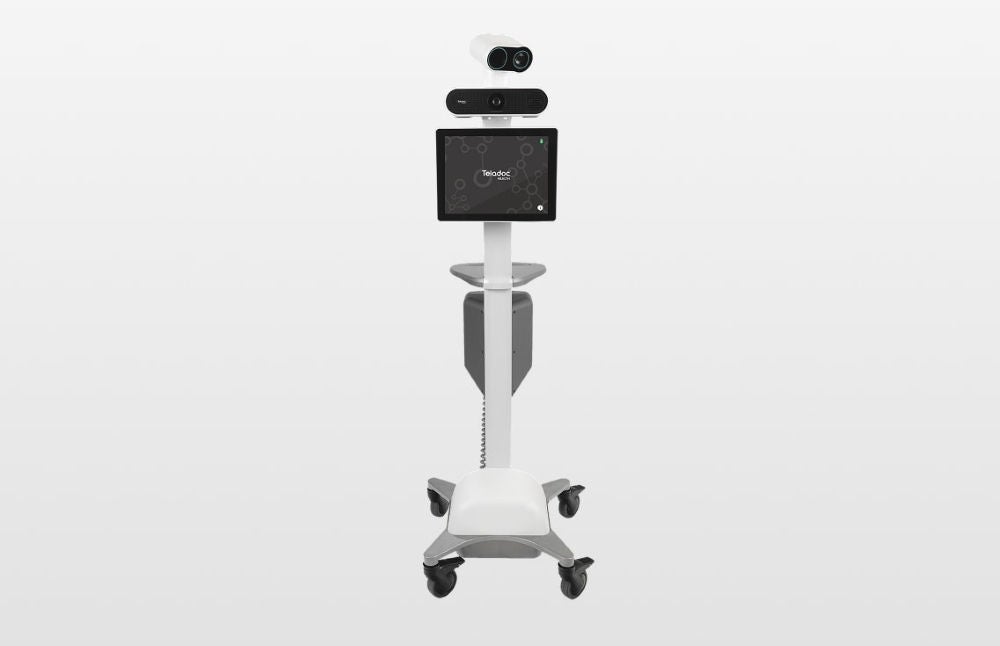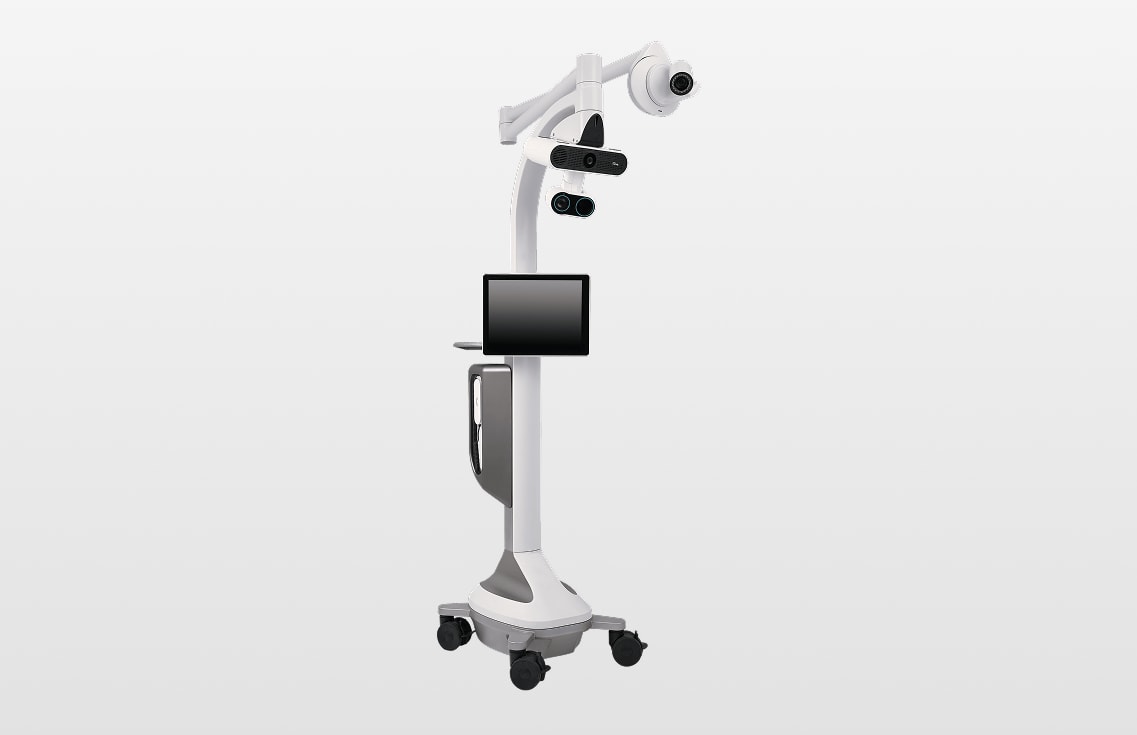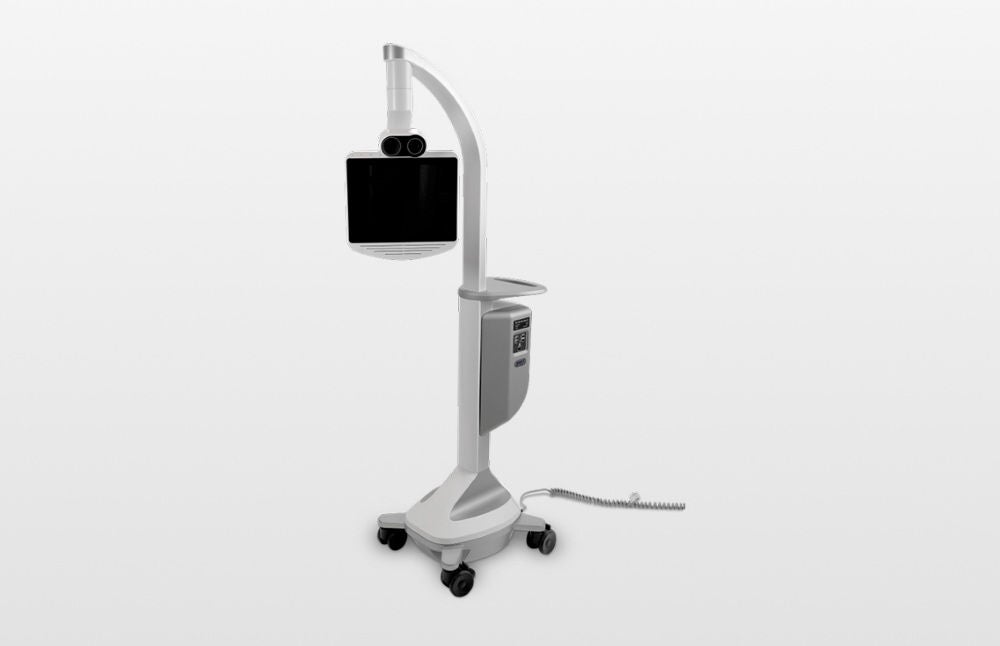
One device family. Infinite adaptability.
Solo™ devices are enterprise-grade access points designed for clinical environments, managed as a single fleet, and gain new capabilities through software.
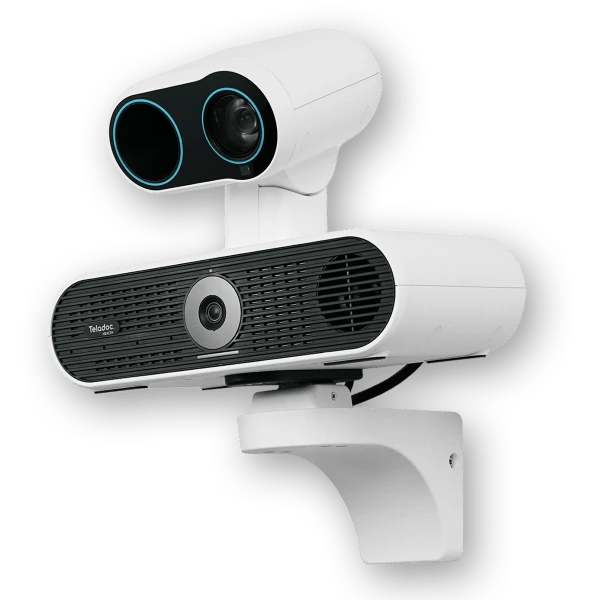
Solo™ devices are enterprise-grade access points designed for clinical environments, managed as a single fleet, and gain new capabilities through software.
Every device solved one problem and became its own contract, console, and replacement bill. One platform ends that.
Hardware bought for one task is a depreciating cost. What a health system actually needs is fewer, smarter endpoints that do more over time.
Every Solo device — from the compact wall unit to the specialty boom has the same thing underneath: an enterprise-grade access point to everything the platform does. Nursing, observation, consults, and AI all reach the room through the same endpoint, which means the question stops being "which hardware for which program?" and becomes "which form factor for which room?" Buy for the environment once; the capabilities keep evolving.
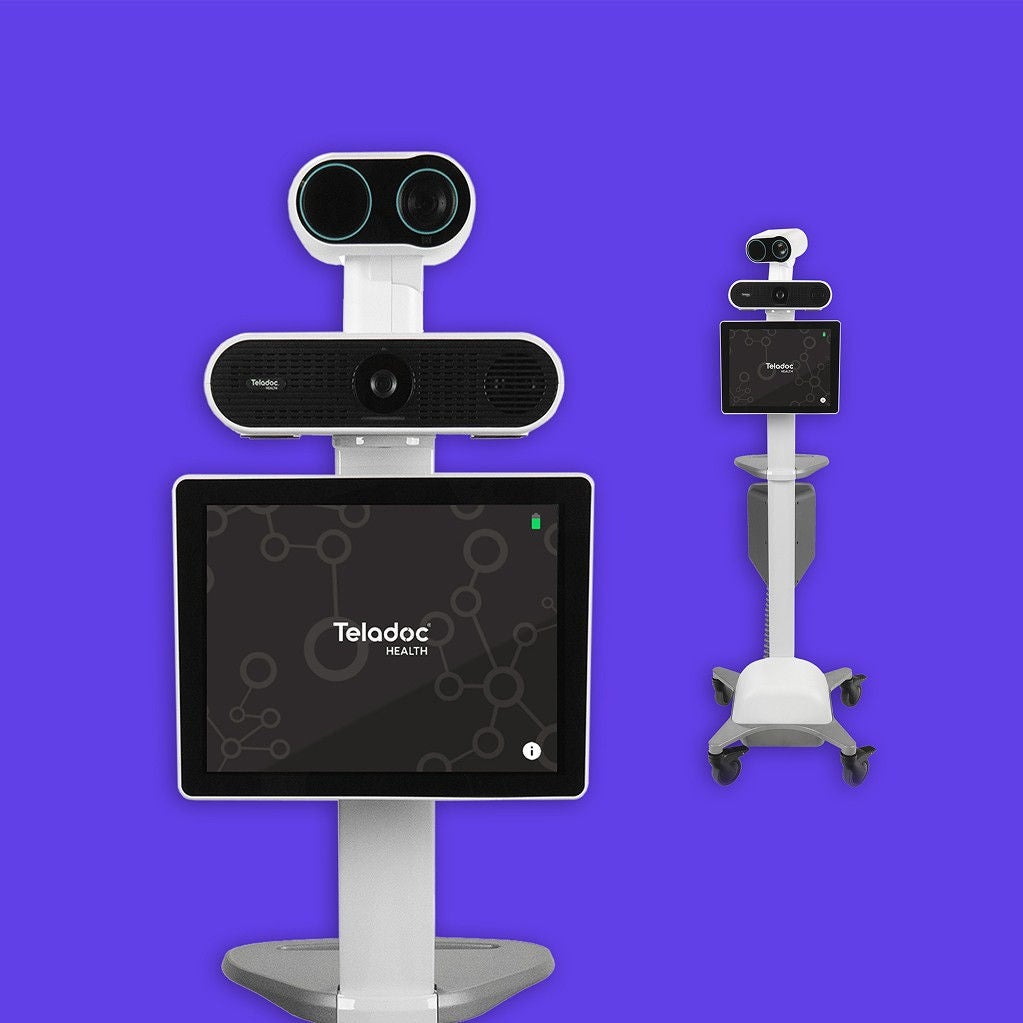
Every device runs the same platform and delivers the same clinician experience — so training transfers, workflows stay consistent, and fleet strategy is a floor plan decision, not a program decision.
Solo devices are provisioned, configured, and monitored as a single fleet from one console — with proactive health monitoring that resolves issues before a clinician files a ticket, and 24/7 technical support behind every endpoint. One fleet also means one training model: a nurse who learns Solo on a med-surg floor already knows it in the ED. Standardization isn't a constraint here. It's the payoff.
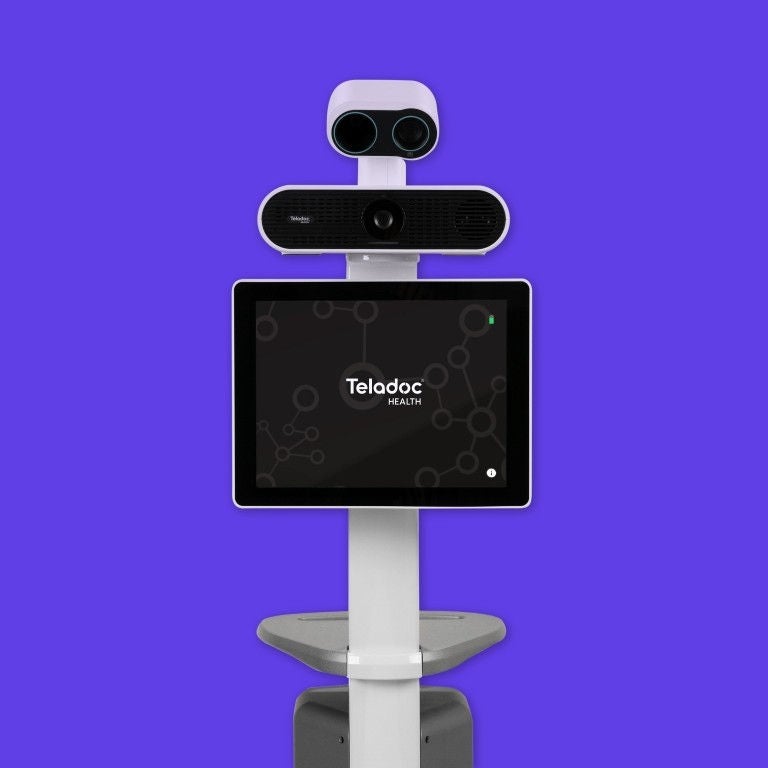
Point-solution hardware ages out the day the roadmap changes. Solo devices move the other direction: new capabilities — including AI and smart room functions — deploy across the entire fleet by software update. Every room, every site, at once. The device you mount this year is more capable next year, without a truck roll or a capital request.
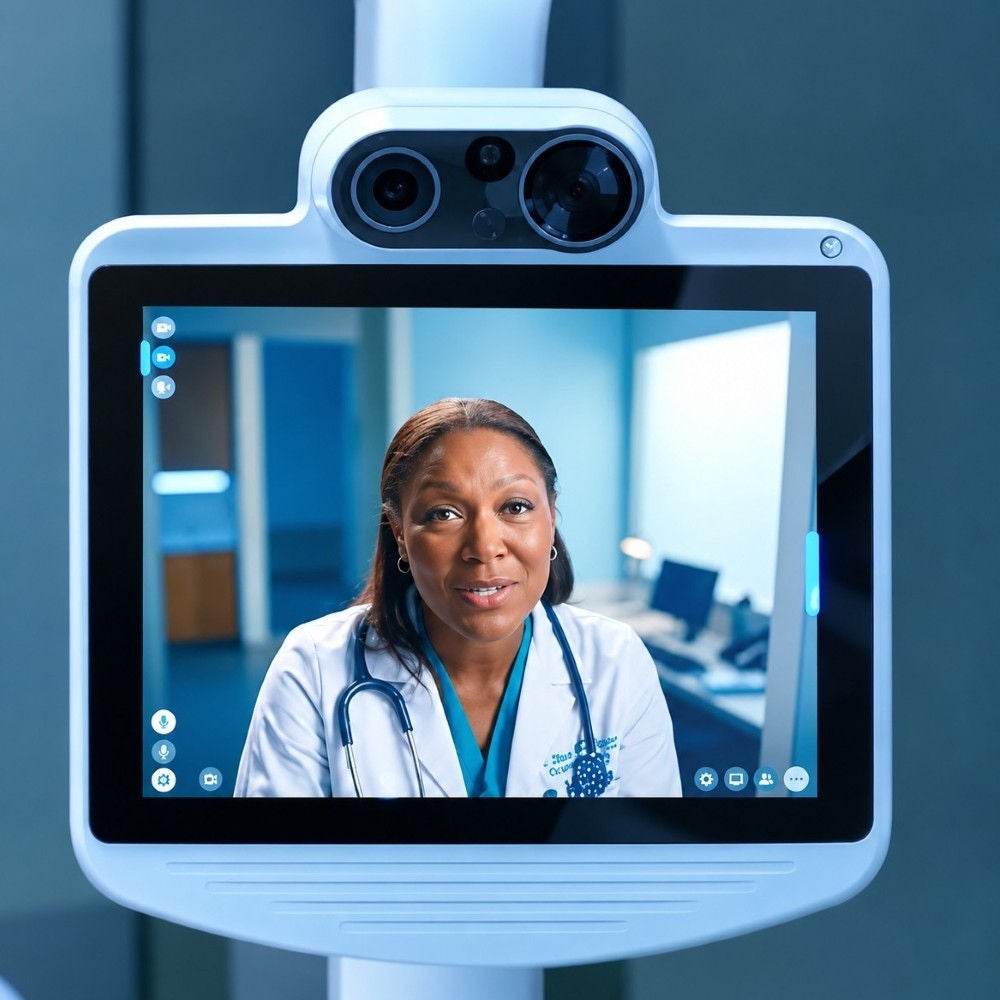
Solo devices bring intelligence to the room — sensing points for AI observation, workflows, and future features. The hardware you install today activates the smart room tomorrow.

A device is only as valuable as what it connects to. Every Solo form factor plugs into the same EHR-integrated, centrally governed, enterprise-secure platform — so hardware strategy and virtual care strategy are finally the same conversation.
Start with the use case that's most urgent; the endpoint for all the others is already on the wall.
The AI layer that makes every room a smart room

Five Solo form factors — Pro, ProCart, ProBoom, Lite, and Viewpoint — spanning fixed patient rooms, mobile use, high-acuity environments, space-constrained settings, and software-only deployment on existing hardware.
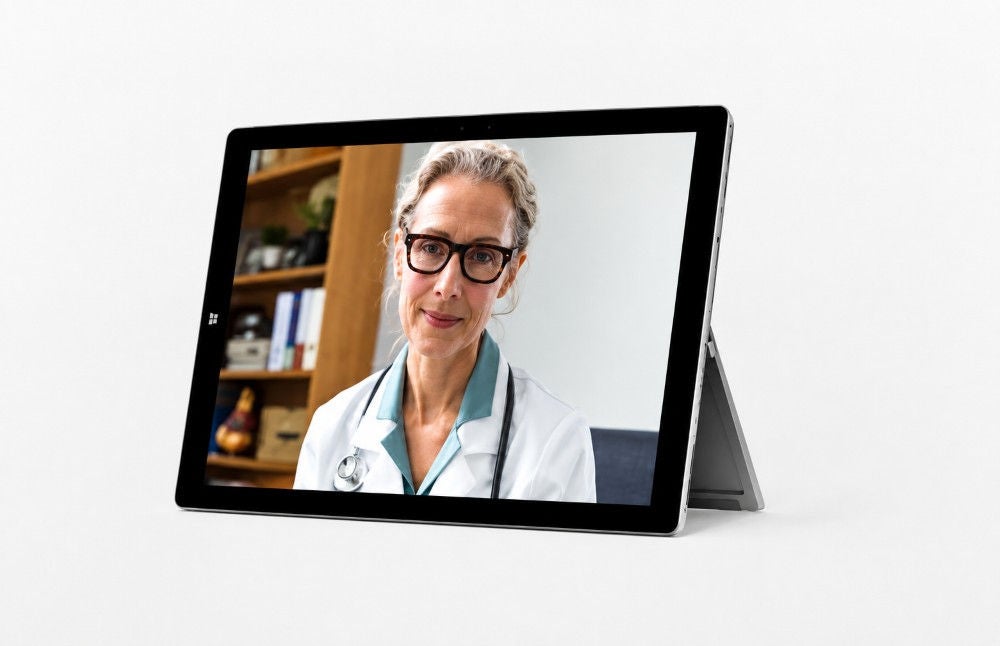
Yes. Solo Viewpoint turns existing Windows and iOS devices into platform access points, and Solo integrates with in-room infrastructure where it makes sense — so consolidation starts with reuse, not replacement.
As one fleet: centralized provisioning and configuration, proactive health monitoring, and 24/7 technical support — not a device-by-device burden on IT or biomed.
No. Platform and AI capabilities deploy to the existing fleet by software update — the core of the future-ready design.
Match the form factor to the environment: Pro for standing patient-room coverage, ProCart for mobility and pilots, ProBoom for high-acuity and procedural settings, Lite for tight spaces, Viewpoint for existing hardware. Our team maps the fleet to your floor plan during planning.
They're engineered for dependable performance in real-world conditions, including bandwidth-constrained rural sites.
*Use of the word “device(s)” in this document refers to Teladoc Health telehealth products, not medical devices as defined in Section 201(h) of the FD&C Act.
**Internal Teladoc Health Data