
Build your own spring grocery list

A grid of assorted spring fruits and vegetables with checkboxes. Includes apples, avocados, broccoli, carrots, lemons, and strawberries.

Why eat seasonally this spring

As the weather warms up, grocery shelves and farmers markets shift toward lighter, brighter produce. Tender asparagus, sweet strawberries, crisp radishes and fresh peas are just some examples. Spring is a great time to eat seasonally. Produce harvested at its peak is typically fresher and more flavorful. It can also be more budget-friendly than out-of-season alternatives shipped from farther away.

Many spring fruits and vegetables also bring standout nutrition. Leafy greens like spinach, kale and lettuce contain vitamins A, C and K, which support eye health, immunity and strong bones. Spring vegetables like asparagus, peas and artichokes offer fiber and folate to support digestion and healthy cell growth. And fruits like strawberries, kiwifruit and citrus deliver a natural boost of vitamin C and antioxidants. Adding more of these to your plate is an easy, delicious way to refresh your eating habits as the days get longer.

Build your own spring grocery list
Use the list below to create a shopping list that fits your kitchen. Browse the in-season fruits and vegetables, use the + and − buttons to set how much of each you want, and build a list that's uniquely yours.

Once you're done, choose how you'd like to shop: print a copy to take with you to the store, or shop the ingredients directly through Instacart for same-day delivery or pickup. However you shop, you'll head into spring with a clear plan — and a cart full of fresh, in-season picks.

One medium apple provides about 4 g of fiber, around 16% of the daily value, which supports digestive health.
A good source of vitamins A and C. Vitamin A supports vision and immune function; vitamin C contributes to immune health and acts as an antioxidant.
An excellent source of folate and vitamin K. Folate supports normal cell division and is especially important during pregnancy. Vitamin K plays a role in blood clotting and bone health.
Provides fiber, folate and monounsaturated fats. Folate supports healthy cell division, while monounsaturated fats are an important part of a healthy Mediterranean diet.
Rich in Vitamin B6 and Vitamin C to support brain function, boost energy levels, and promote heart health.
An excellent source of vitamin C, vitamin K and folate. Vitamin C supports immune function, vitamin K is needed for blood clotting and folate supports normal cell division.
An excellent source of vitamin C and vitamin K. An 85 g serving provides about a third of the daily value for vitamin C and more than half for vitamin K, with only 20 calories.
An excellent source of vitamin A (supplied as beta carotene), which is essential for vision and more.
A good source of vitamin K, which the body needs for blood clotting and bone health. Also very low in calories, at about 15 per serving.
A single 85 g serving of cooked collard greens is an excellent source of vitamin K, vitamin A and vitamin C—for only about 25 calories.
Contains allicin, a compound that activates when garlic is crushed. Leave it for about 10 minutes before cooking to preserve more of it.
Excellent source of vitamins A, C and K. A source of calcium—and one of the few plant foods whose calcium is well absorbed.
One of the most vitamin-C-dense fruits: Two medium kiwis deliver more than a full day’s worth, plus about 4 g of fiber.
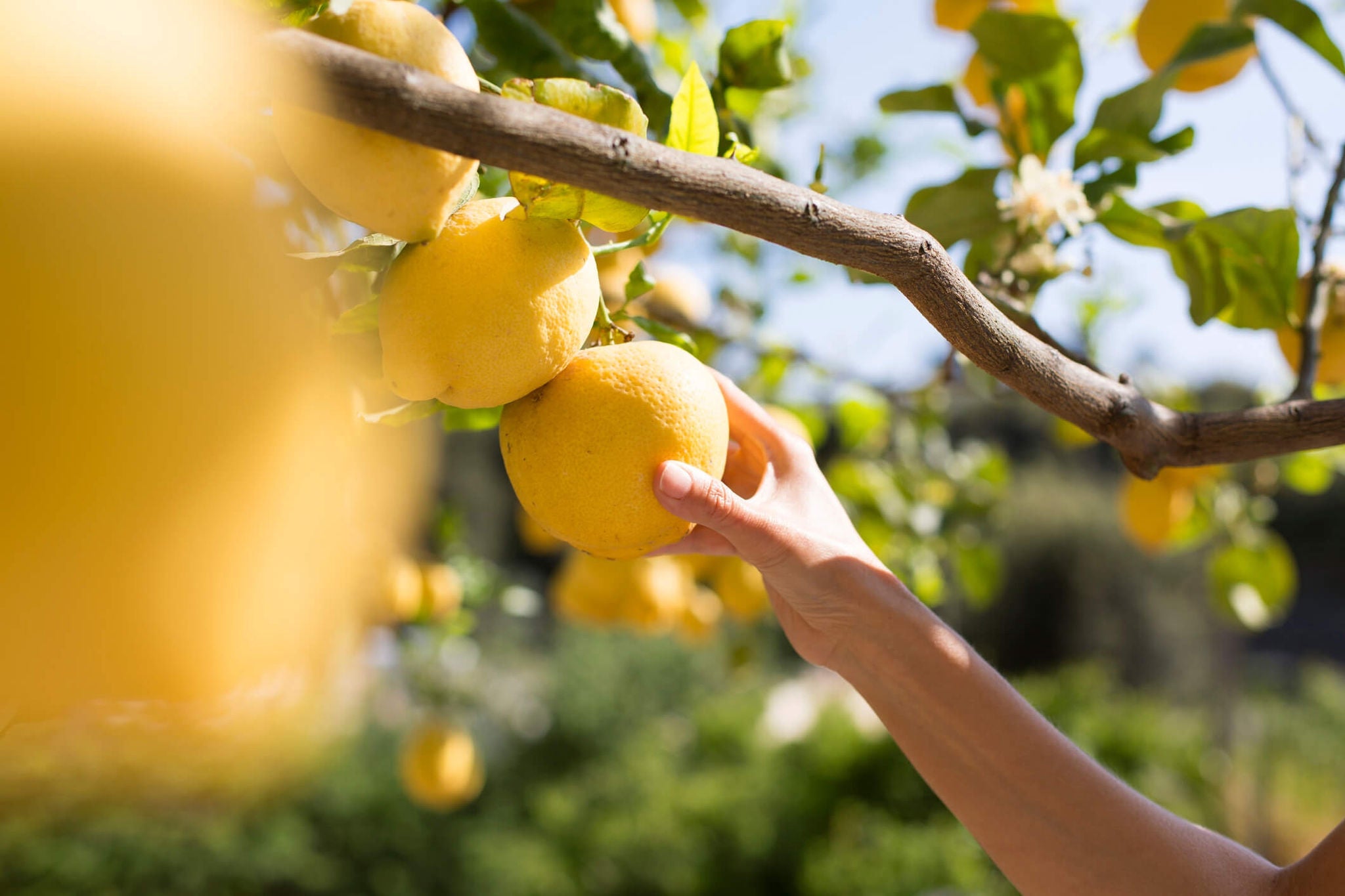
Contributes a bit of vitamin C as well as brightness and acidity to food and drinks. Use it to flavor soups, salads and more in place of salt.
Romaine lettuce is an excellent source of vitamin A, vitamin K and folate. Green- and red-leaf lettuces are excellent sources of vitamin K and vitamin A.
Rich in Vitamin C and antioxidants, promoting glowing skin, smooth digestion, and strong immune defense.
An excellent source of copper and riboflavin. Copper is needed for iron metabolism and strong connective tissue; riboflavin supports energy metabolism.
Besides adding flavor, onions supply prebiotic fiber and the flavonoid quercetin.
Green peas provide thiamin, which supports energy metabolism; folate, which is needed for normal cell division; and fiber, which supports digestive health.
One of the richest fruit sources of manganese, a trace mineral that supports bone health, helps protect against cell damage, and aids nutrient metabolism.
Add crunch and zest to salads for almost no calories—about 15 for each 85 gram serving.
A good source of vitamin K, needed for blood clotting and bone health, and manganese, which your body needs for energy metabolism.
An excellent source of vitamin A, vitamin C, vitamin K, folate and manganese, and a good source of magnesium and potassium.
An excellent source of vitamin C and manganese. One cup delivers nearly a full day’s vitamin C for about 50 calories.
An excellent source of vitamin A, vitamin C and vitamin K, and a good source of magnesium and vitamin E.
These roots are a good source of vitamin C. Don’t discard the greens! They’re an excellent source of vitamin K, vitamin A, vitamin C and folate.

This link exits Teladoc Health's website. Instacart has its own privacy policies and terms.

Was this article helpful?

Be the first to find this article helpful

0 people found this article helpful

In this article:

This content is not intended to be a substitute for professional medical advice, diagnosis or treatment. Always seek the advice of your physician or other qualified health provider with any questions you may have regarding a medical condition.

You may not be eligible for all services. Log in to view the benefits included in your plan.