As employers navigate rising healthcare costs, workforce burnout and growing expectations for more personalized benefits, virtual care has entered a new phase. Rather than just a convenient alternative to in-person visits, virtual care is increasingly expected to coordinate care, close gaps and deliver measurable clinical and financial value.
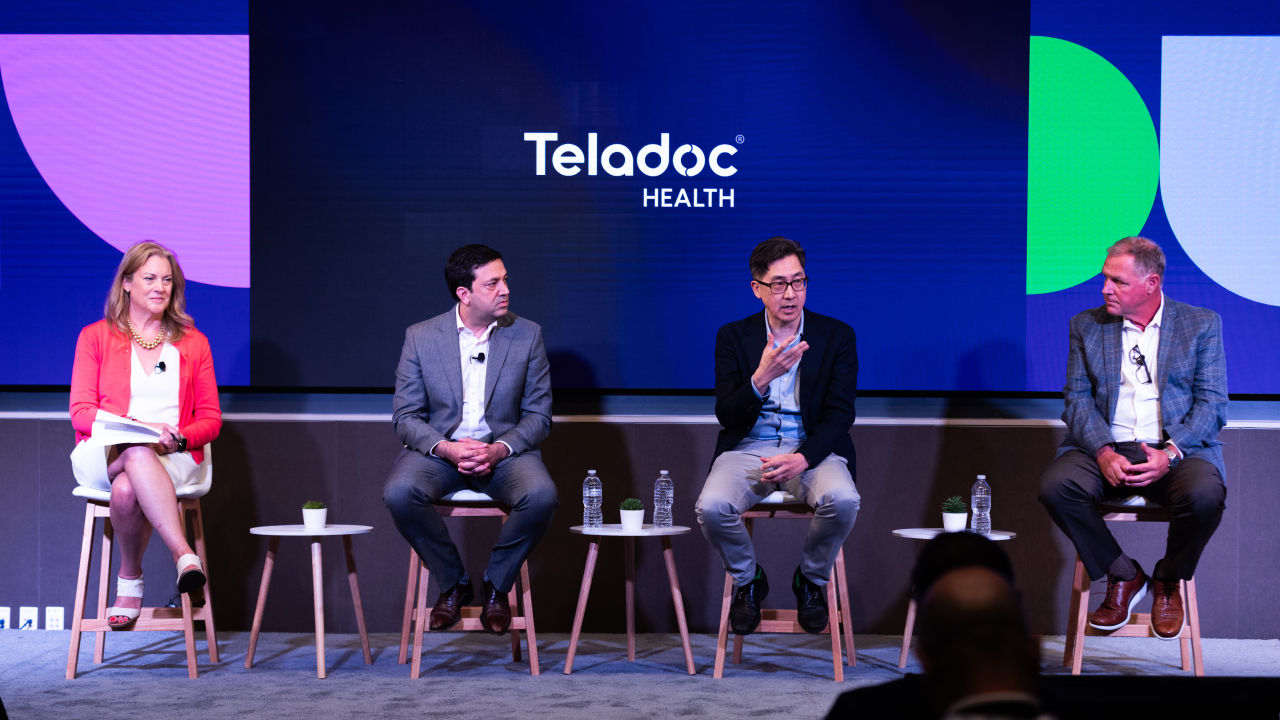
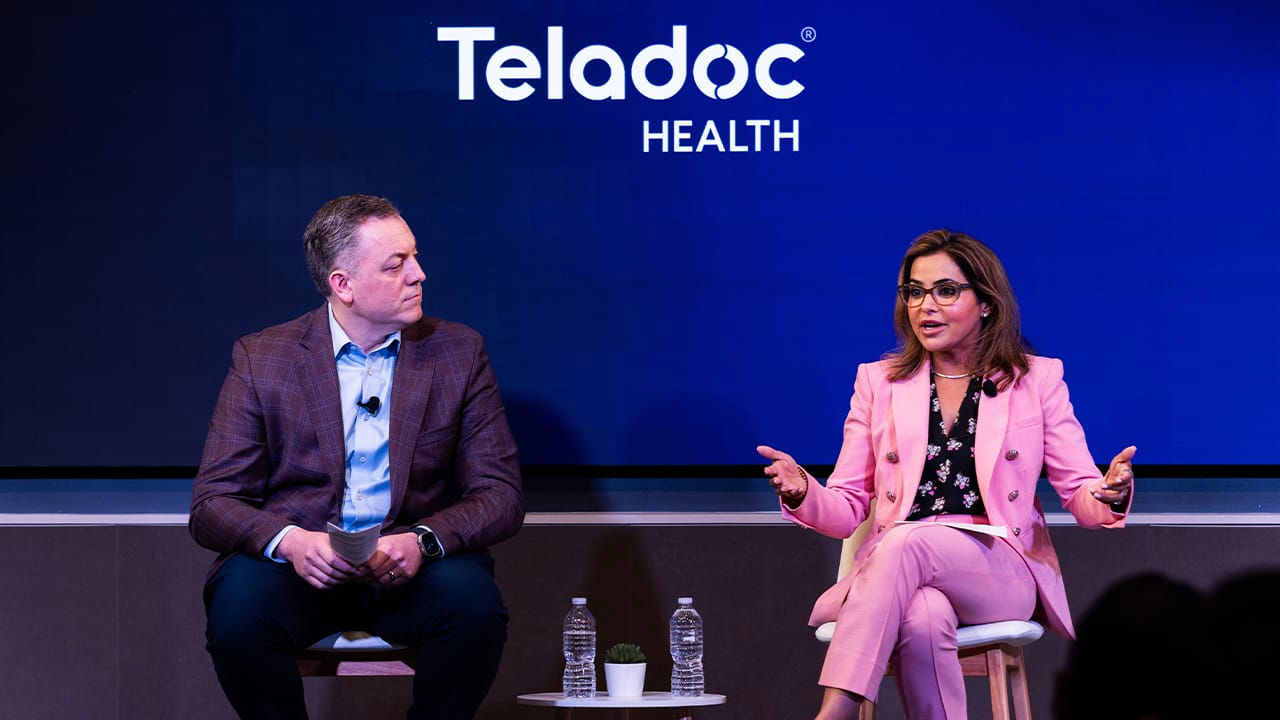
During a recent SHRM webinar, “From Cost Containment to Care Coordination: Virtual Care’s Next Era,” industry leaders explored how employers are reassessing virtual care strategies to move beyond point solutions and toward truly connected care experiences.
The bar has been raised for virtual care
With the global telemedicine market projected to continue growing at a double-digit pace through the end of the decade, virtual care on its own is no longer a differentiator in employer benefits strategies. Instead, employers are focused on how virtual care can help support long-term value through improved clinical outcomes.
With healthcare costs and retention as top concerns, Dr. Louise Short said employers see virtual care being critical to controlling costs and improving access and quality. She emphasized their desire for innovations that integrate mental health and chronic care and enable virtual care to improve care coordination.
“Virtual care has become a foundational part of a modern benefits strategy,” said Gabrielle Boisvert. “Employers want solutions that can orchestrate care across virtual and in-person settings, make it easier for employees to get the care they need and reduce complexity for benefits teams.”
The results of this approach are evident. Recently, Carhartt partnered with Teladoc Health to provide its 3,000+ employees with an integrated virtual care program. With support for chronic condition management, 24/7 care and mental healthcare, Carhartt has seen a 3% decrease in A1c among employees with diabetes, 99.9% engagement among members enrolled in programs for multiple conditions and more than 3,400 pounds lost among employees.
The continued importance of prevention and early intervention
As healthcare and pharmacy costs continue to climb, prevention and early detection remain the most effective tools employers have to manage spending sustainably.
“Employers realize they have to proactively reduce risk in the population and not just focus on high-cost claimants,” Dr. Short said. She emphasized the importance of solutions that identify people at risk, help them understand the risk and provide an intervention.
“Virtual care providers can engage more of the population, and it’s a great opportunity to improve early detection,” Dr. Short said.
Teladoc Health has seen the impact of virtual primary care in follow-through. Nearly 70% of Teladoc Health patients completed recommended cancer screenings after referral, and 90% of individuals referred to mental health support receive follow-up care.
Earlier this year, Catapult Health joined the Teladoc Health family. In redefining the annual check-up experience, Catapult Health helps patients detect conditions like prediabetes or hypertension earlier and enables timely interventions. Data from Teladoc Health show that average annual healthcare claims are nearly $1,500 lower per person for individuals who use virtual check-ups compared to those who do not.
“For employers, the cost of inaction is real,” Boisvert said. “Reducing preventive benefits may save money in the short term, but it almost always leads to higher costs down the road.”
The shift from reactive support to continuous mental healthcare
Mental health remains a top strategic priority for employers, and virtual care has significantly expanded access while helping reduce stigma. As access improves, the focus is shifting toward quality and outcomes.
In 2025, the American Psychological Association, with contributions from Teladoc Health, released professional practice guidelines that define what clinically meaningful improvement looks like and how long it should take to achieve. These measurements help ensure quality for patients and demonstrate effectiveness for employers.
Employee assistance programs (EAPs) are another important consideration for employers. While traditional EAPs are often underutilized and limited in scope, with average usage rates below 5% and visit caps that can interrupt care, a new type of EAP has emerged to meet the needs of today’s modern workforce.
The recently launched Wellbound from Teladoc Health is designed to boost utilization and better meet employee needs. “Teladoc Health has been providing mental healthcare for a long time,” Boisvert said. “Wellbound is the next evolution of that.”
Wellbound enables individuals to be quickly matched with providers and allows care to continue as clinically appropriate, as well as providing other traditional EAP services.
GLP-1s and the evolution of weight management strategies
GLP-1s have shone a spotlight on obesity, prompting employers to rethink their strategies as these drugs gained momentum for weight loss.
“With GLP-1s, it has to be part of a holistic approach,” Dr. Short said. “The foundation of any weight loss program is lifestyle modification.”
Some employers electing not to cover GLP-1s for weight loss due to cost are still prioritizing weight loss because of the impact it can have on their population’s health and the connection to conditions like diabetes and cardiovascular disease.
“Teladoc Health is helping employers think through their strategy,” Boisvert said. “If an employer doesn’t cover GLP-1s, there’s still value in helping people on the drug change their behaviors around nutrition, physical activity, sleep and stress management to achieve long-term results.”
Another emerging trend is employers who don’t cover GLP-1s offering financial support instead. When combined with accessible lifestyle modification programs, this approach helps optimize outcomes while controlling pharmacy costs.
The future of personalized prevention
Once primarily used by people with type 1 diabetes, continuous glucose monitors (CGMs) are increasingly being used by the broader population as a tool for learning more about their health. With this trend in mind, employers and health plans are exploring the use of CGMs in their benefits strategy.
“There’s a lot for employers to consider when it comes to CGMs,” Dr. Short said. “Employers are asking themselves about cost, coverage and whether users are able to interpret the data provided by CGMs.”
“CGMs can be incredibly powerful tools, but they’re not a solution on their own,” Boisvert said. “The data needs context, interpretation and support.”
Teladoc Health integrates CGM data directly into its platform, allowing clinicians and coaches to help members translate alerts or patterns into insights that support sustainable behavior change.
Creating sustainable value in benefits
Looking toward 2026 and 2027, experts emphasized the value of data and the role it can play in preventive care and creating a coordinated experience.
“At Teladoc Health, we’re thinking about how we can identify people trending in the wrong direction and intervene,” Boisvert said. “How can we get them connected in a way they didn’t know existed?”
The future of virtual care is not about adding more solutions, but about investing in coordinated, preventive and outcomes-driven care that supports employees and delivers value for the long term.