For plan sponsors, helping their population manage chronic conditions is one of the biggest challenges they face. It's not just because of the cost. Diabetes, hypertension and obesity often overlap and drive compounded health risks.
Access to an integrated virtual care experience made it possible for Chuck, a Teladoc Health member, to address interconnected health risks at the same time. The results were measurable and sustained: more than 90 pounds lost, blood pressure brought into a healthy range and A1c reduced from 9.1% to 5.6%.
His experience offers a real-world example of how coordinated support can improve workforce health without requiring people to juggle multiple disconnected solutions.
A connected approach to better health
When Chuck first encountered Teladoc Health through a workplace flyer, it felt like an opportunity worth exploring. Teladoc Health offered more than a solution to one condition; it presented a connected experience designed to support healthier living. “I saw tools that could actually help me make changes,” he said. “So, I decided to take advantage of them.”
That choice initiated a health transformation grounded in structure, consistency and accountability.
Chuck began his journey with Teladoc Health by focusing on his weight before expanding into diabetes and hypertension when tests revealed elevated A1c levels and high blood pressure.
For many people, managing an app for each condition creates friction that impacts engagement over time. Rather than treating each condition in isolation, the Teladoc Health experience allowed him to address interconnected health risks with coordinated tools and guidance.
Over time, the results were striking, but numbers alone don’t tell the full story.
“What made the difference was having everything working together,” he explained. “The data, the coaching, the accountability—it all reinforced each other.”
Turning health data into sustainable habits
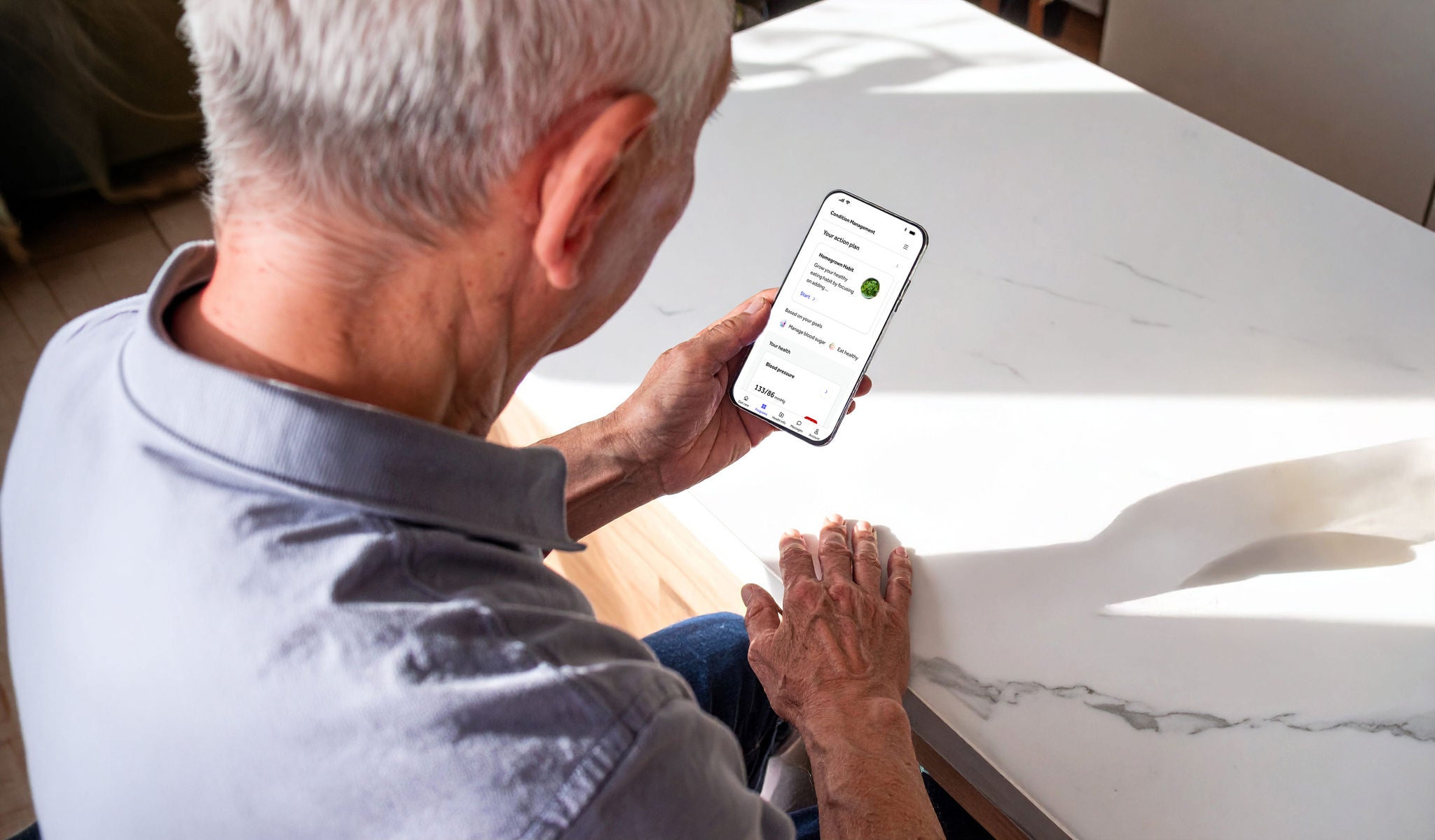
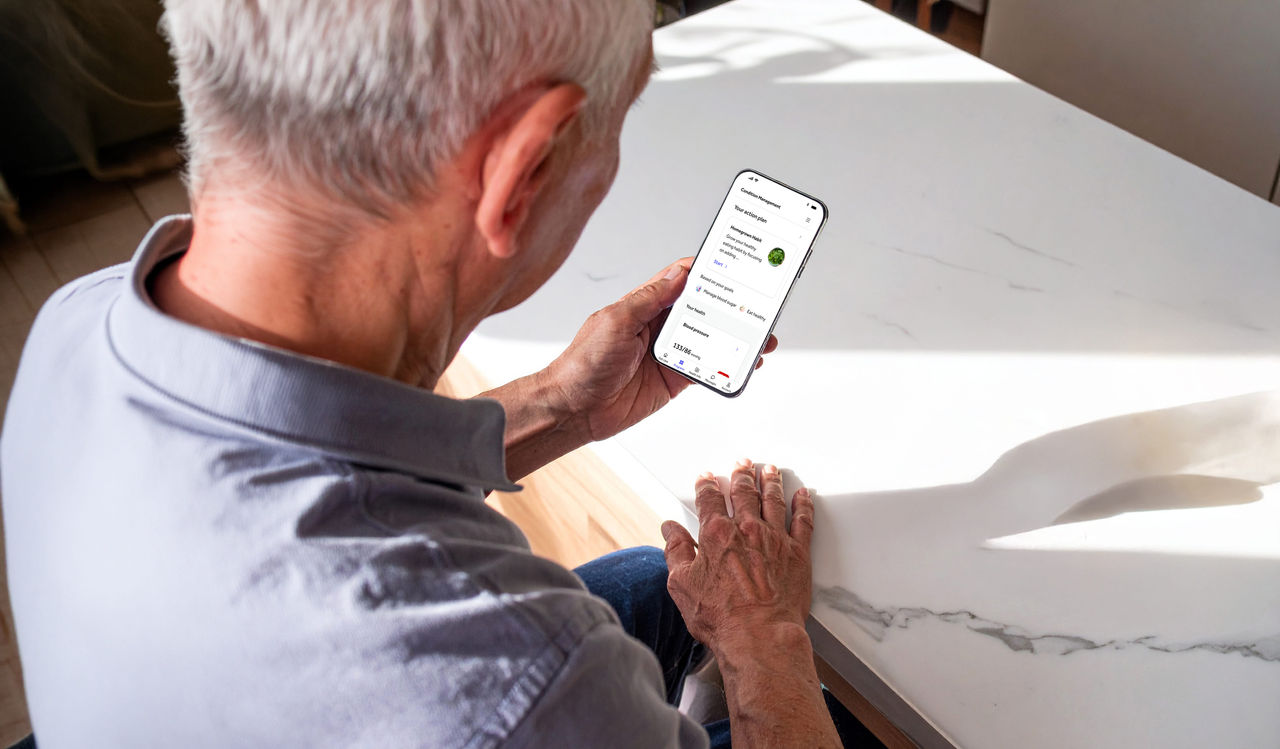
At the core of Chuck’s success was routine. Each morning began with weighing in, checking blood pressure and blood glucose and reviewing results on the Teladoc Health app. This consistent feedback loop turned abstract goals into actionable decisions like what to eat, when to move and how to adjust behaviors in real time.
“The dashboard keeps me honest,” he said. “Seeing my numbers every day helps me stay focused.”
That visibility is paired with human support. Coaching sessions provided guidance on nutrition and sustainable habit change. Over time, those conversations helped build confidence and autonomy. So much so that his coach eventually encouraged him to continue independently, knowing support was always available if needed.
“Once the habits were there, it became part of my life,” he said. “It’s routine now.”
At 52, he said he feels stronger and healthier than he did decades earlier. His motivation? Staying active for his grandchildren, setting an example at work and continuing to build on the progress he’s made.
How Teladoc Health supports sustainable outcomes
Chuck’s experience underscores how Teladoc Health supports members in achieving long-term results:
- Shared data across conditions, so insights from weight management, diabetes and hypertension reinforce each other
- Daily measurement and visibility, helping to translate information into action
- Coaching that’s personalized and evolves over time
- One coordinated experience that reduces friction and complexity for the member
Together, these capabilities help people build habits that endure, rather than relying on short-term engagement tactics.
What this experience demonstrates for plan sponsors
Today, Chuck openly shares his experience with colleagues considering their own health journeys. His message is consistent: access matters, accountability matters and it all starts with making a choice.
Teladoc Health doesn’t just provide tools. It delivers a system where daily actions align with better long-term health—not just managing a condition in isolation. For plan sponsors evaluating virtual care options, Chuck illustrates how virtual care can support sustained engagement and outcomes across multiple chronic conditions.
Sometimes, that’s the difference between wanting to change and actually doing it.