
A whole-person guide to hypertension
What is hypertension?
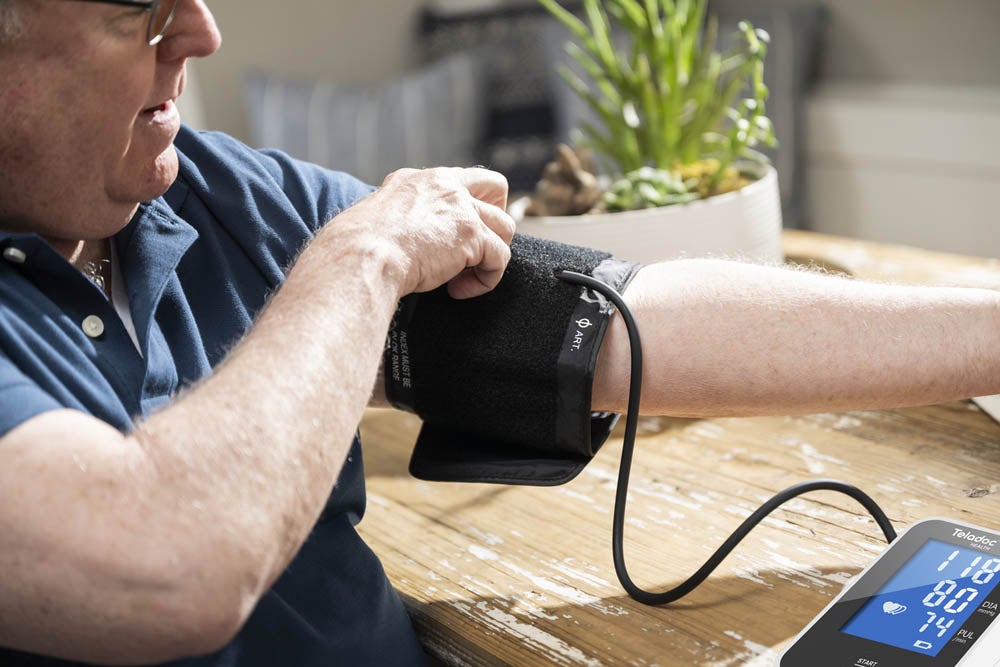
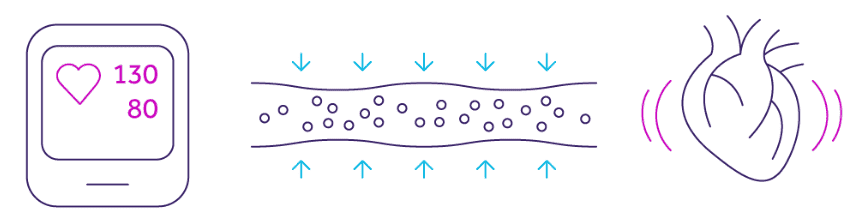
Hypertension is commonly known as high blood pressure. When your blood pressure is 130/80 or higher, your doctor may diagnose you with hypertension. When the force of your blood through your blood vessels is too high, your heart must work harder to do its job.
What parts of the body does it affect?
Because your blood vessels bring blood to your whole body, high blood pressure can impact many organs and systems
How do you manage hypertension?
Was this article helpful?
In this article:
Sign up to unlock your health, your way at no cost to you.
This content is not intended to be a substitute for professional medical advice, diagnosis or treatment. Always seek the advice of your physician or other qualified health provider with any questions you may have regarding a medical condition.
You may not be eligible for all services. Log in to view the benefits included in your plan.