
Bite sized workouts for big wins
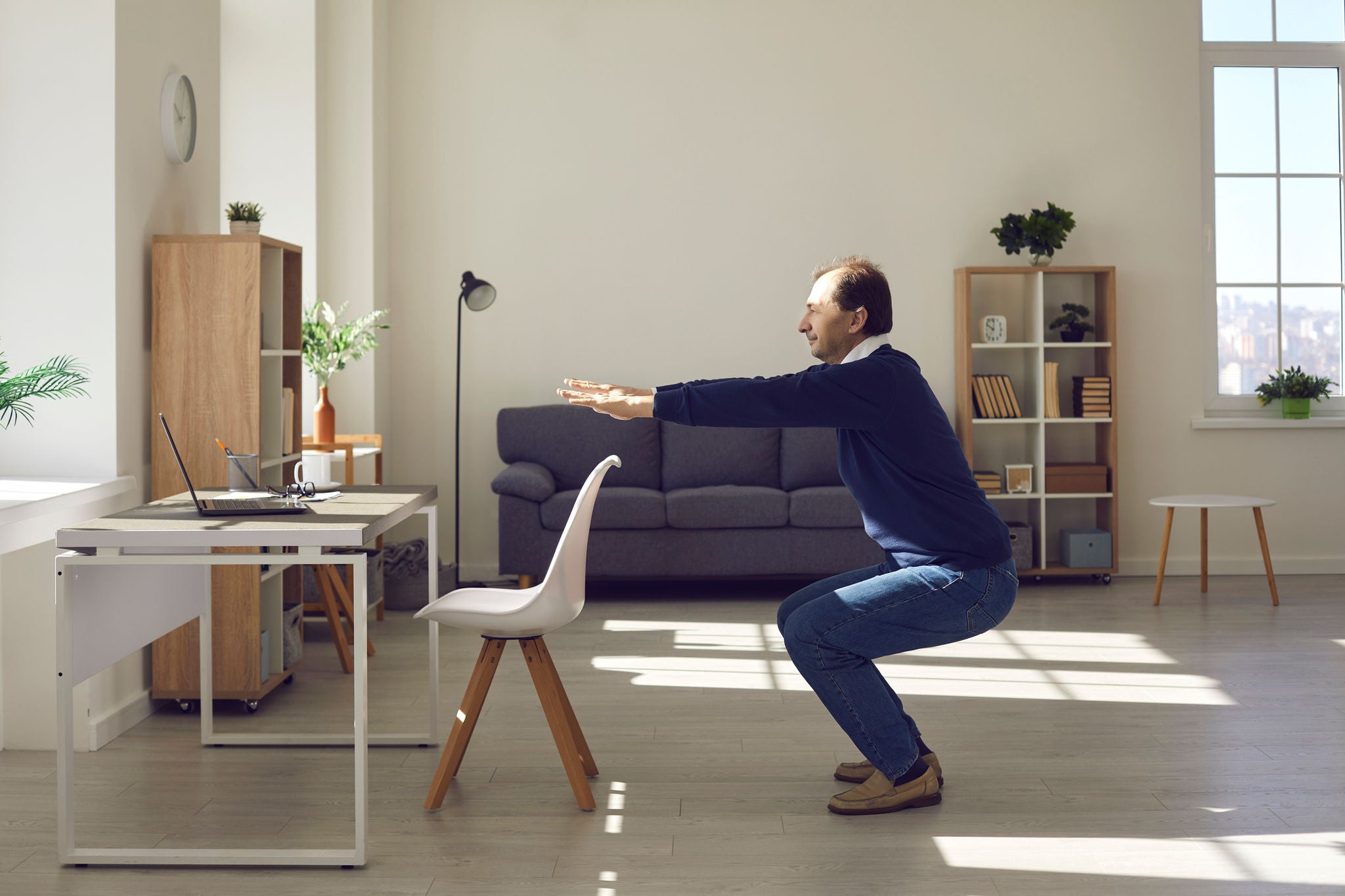
A consistent fitness routine doesn’t have to mean spending hours at the gym every week. Staying fit in today’s busy world means getting creative with your time and energy. Whether your schedule is full or you’re simply looking for something low impact, bite-sized exercises might just change the way you stay healthy. Let’s explore the science of bite-sized workouts. Then, let’s get started on an exercise routine with bits of activity here and there that can fit your lifestyle.
What are bite-sized exercises?
Bite-sized exercises are short bursts of activity that you do throughout the day. Instead of doing one long workout, you do several quick ones. Each exercise can last from 5 to 15 minutes. You can do them anytime you want.
Do bite-sized exercises really work?
The good news is that these short bursts of exercise can work just as well as long workouts! Each session triggers many health benefits that can last the whole day. This is because the body doesn’t care whether you get your exercise from one long session or three short ones. The benefits are the same.
Your heart starts pumping faster and circulation improves. Your metabolism wakes up, burning food as fuel more efficiently. Your muscles activate and become stronger over time. Your mood and focus even benefit as endorphins (feel-good chemicals) enter your system. Think of bite-sized exercises as a fitness-focused coffee break for your body. With each break you give your body a burst of fitness-fueled energy that helps you stay healthy and focused.
Lastly, when you work out in short bursts, you give yourself a little bit of time between workouts to recover. This means you can push yourself a little further than you would during your whole workout all at once. Avoid over-training and injury by listening to your body and stopping the workout if there is pain or discomfort that you don’t normally feel when exercising.
When is the best time for a bite-sized workout?
The best thing about these short workouts is that when you do them is completely up to you. If you need help figuring out when would be best for you, try these tips:
Try a workout between tasks. For example, if you’re working on one thing that takes an hour or two, try a quick workout after you finish that task and before moving on to the next task.
Try small bursts of exercises at the top of each hour during your work day. For example, at the top of the hour, do 5 squats. At the end of an 8 hour day, that’s 40 squats!
Work out just before each of the three meals of the day—pre-breakfast, pre-lunch and pre-dinner.
At the beginning of the day, think through your schedule. Pick two to four times each day and set an alarm on your device to remind you when to take a workout break.
If you have a predictable daily schedule, look for gaps and schedule your workouts for those times
Limit your workouts to between two and four times per day. Make sure you work out different muscle groups to avoid over-training. For example—let one day consist of only leg workouts while the next day is only arm workouts. This helps ensure that your overall fitness routine is balanced.
Build your own bite-sized exercise routine
Use these exercise snacks to build your own routine. Remember to start small. It’s not a race! Listen to your body and add more repetitions as you get stronger. Let’s start with a simple routine to get you started. Then, you can add or build your own routine from the exercises outlined below.
Sample bite-sized workout routine:
Morning: 10 minutes
- 3 sets of 10 calf raises
3 sets of 10 jumping jacks
Noon: 15 minutes
2 sets of 10 jumping jacks
Lunchtime walk
Evening: 10 minutes
3 sets of 5 squats
3 sets of 8 bridges
Now pick from the list of exercises below to build your own routine. Stick to two to three different types of exercises per session. Each session should be five to 15 minutes long. Be mindful of meals and time of day when choosing your exercises. For example, pick low-impact, slow exercises like bridges and walking at the end of the day if you know that you will be low on energy.
Standing with no equipment
Squats
Stand with your feet about shoulder-width apart
If you need help with balance, hold onto a sturdy chair or table
Bend your knees and lower your body like you are sitting in a chair. Flex your abs to keep your back straight.
Stand back up
When you go down, make sure your knees don’t go past your toes
When it starts to feel easier, add a few more squats to each set
Jumping jacks
Start by standing upright with your feet together and your arms at your sides
Jump up, spreading your legs out to about shoulder-width apart while raising your arms overhead
Land softly, then quickly jump again to return your feet together and your arms back to your sides
Begin with a comfortable number of repetitions and gradually increase as the movement gets easier
Calf raises
Stand upright with your feet hip-width apart, near a sturdy surface like a wall or chair for balance if needed
Slowly rise up onto your toes, lifting your heels off the ground as high as comfortable
Hold for a moment at the top, then slowly lower your heels back down to the floor
Start with a manageable number of repetitions and increase gradually as you build strength
Forward lunges
Stand upright with your feet hip-width apart
Step forward with one leg, lowering your hips until both knees are bent at about a 90-degree angle. Make sure your front knee stays above your ankle, not past your toes.
Push back up to the starting position and repeat with the opposite leg
Begin with a comfortable number of repetitions and increase gradually as you build strength
Always stop if you feel pain, and use a chair or wall for support if needed
Lateral lunges
Start standing with your feet hip-width apart
Step out to one side, bending your knee and lowering your hips, keeping your other leg straight
Push back up to the starting position and repeat on the other side
Start with a manageable number of repetitions and increase as you get stronger
Use a sturdy chair or wall for support if needed and stop if you feel pain
Running in place
Stand upright with your feet hip-width apart
Begin jogging in place, lifting your knees as high as comfortable and pumping your arms
Start with a short interval and gradually increase the duration as you build endurance
Ensure you have enough space and stop if you feel pain or discomfort
Seated or reclined with no equipment
Bridge
Lie on your back with your knees bent and feet flat on the floor, hip-width apart
Press your feet into the floor and lift your hips up, forming a straight line from your shoulders to your knees
Hold briefly at the top, then lower your hips back down
Start with a few repetitions and increase gradually as you build strength
Stop if you feel pain and use a mat for comfort
Bird dog
Start on your hands and knees with your wrists under your shoulders and knees under your hips
Extend one arm forward and the opposite leg back, keeping your back flat and abs engaged
Hold for a moment, then return to the starting position and repeat on the other side
Begin with manageable repetitions and increase as you gain stability
Stop if you feel pain and use a soft mat for comfort
Push-ups
Start in a plank position with your hands slightly wider than shoulder-width apart
Lower your body toward the floor, keeping your back straight and core engaged
Press back up to the starting position
Start with knee push-ups if needed and gradually progress to full push-ups
Stop if you feel pain and use a mat for wrist comfort
Sit-ups
Lie on your back with your knees bent and feet flat on the floor
Place your hands behind your head or across your chest
Lift your upper body toward your knees, keeping your neck relaxed
Lower back down slowly
Begin with a manageable number of repetitions and stop if you feel pain
Side plank
Lie on your side and prop yourself up on your forearm, keeping your elbow directly under your shoulder
Lift your hips off the floor, forming a straight line from head to feet
Hold for a few seconds and lower back down
Switch sides and repeat
Use a mat for comfort and stop if you feel pain
Plank
Start on your hands and knees, then extend your legs back to balance on your toes and hands or forearms
Keep your body in a straight line, abs engaged, and avoid sagging hips
Hold for a comfortable duration and gradually increase as you build strength
Use a mat for comfort and stop if you feel pain
Try these desk exercises
Sit tall in your chair and gently twist your torso side to side to stretch your back
Extend your legs and flex your feet to stretch your calves
Roll your shoulders forward and backward to release tension
Stand up periodically and march in place or do a few squats beside your desk
Always stop if you feel pain, and use your chair for support if needed
On the move
Take the stairs
Opt for stairs instead of elevators whenever possible
Climb at a steady pace, holding onto the railing for safety if needed
Increase the number of flights gradually as your fitness improves
Stop if you feel pain or discomfort
Park far away
When arriving at your destination, park farther from the entrance to add more walking to your day
Be mindful of your surroundings and stay safe
Increase your walking distance gradually as you get comfortable
Lunch break walk
Use part of your lunch break to take a brisk walk, either inside your building or outdoors
Walk at a comfortable pace and enjoy the movement
Gradually increase your walking time as you feel more energized
Walking meetings
Suggest taking your meetings on the move by walking with colleagues instead of sitting
Choose a safe route and walk at a relaxed pace so everyone can participate
Stop if you feel pain or fatigue, and adjust the pace as needed
Was this article helpful?
Sign up to unlock your health, your way at no cost to you.
This content is not intended to be a substitute for professional medical advice, diagnosis or treatment. Always seek the advice of your physician or other qualified health provider with any questions you may have regarding a medical condition.
You may not be eligible for all services. Log in to view the benefits included in your plan.