
Holiday stress: 6 ways to honor your emotions this season
Key points:
Feeling happy, sad and stressed all at once is normal during the holidays
Saying no and setting limits can help you stay calm and save your energy
Being kind to yourself and helping others can lift your mood
The holidays can bring joy. They can also bring stress, sadness and loneliness. Many people feel a mix of these emotions, and that is totally normal. Taking care of yourself can start with simple things like noticing how you feel, keeping realistic expectations, and avoiding comparisons to others. Here are six ways to recognize and honor your feelings during the holiday season and throughout the year.
1. Name your feelings
Are you stressed about shopping? Tired of cooking and hosting? Lonely? Thankful for another year? You might feel more than one thing at the same time. Sometimes joy and sadness show up together, and that’s OK.
Take a few minutes to check in with yourself. Try writing your feelings down. Every feeling is real, and you are allowed to have it.
2. Manage expectations
What if the holidays don’t go the way I hoped? This is a common concern. It helps to be real with yourself and with others. Try not to plan how you will feel or what will happen.
Don’t wait to feel happy by a certain day. Instead, accept how you feel right now. This takes pressure off you and the people around you.
3. Say no and set limits
It's OK to say no during the holidays. You don’t have to do anything you aren’t ready to do. Nothing is set in stone. Setting limits, also called boundaries, means telling people what you can and can’t do.
Here are two ways to set limits:
Say no to extra jobs when you have too much to do.
It’s OK to take a break from people who make you feel stressed or upset. You can see them less, or not at all.
Your needs matter just as much as anyone else’s.
4. Skip comparing
Holiday movies and social media show smiling people and picture-perfect parties. At first, that may feel nice. But the more you see, the easier it is to compare your life to a fantasy.
Try not to compare your life to movie characters, online stars, coworkers, friends or family. Instead, look at your own life with fresh eyes. Think about:
What brings you joy?
What are you thankful for?
What causes you pain or stress?
Then set a goal to understand your own life better. Work toward it little by little.
5. Be kind to yourself
Treat yourself the way you treat a friend. You are allowed to make mistakes. You are allowed to change. You are allowed to feel sad or far away, even during a happy season. You can also feel joy while others are sad.
If negative self-talk creeps into your head, try rewriting the script in your mind. Here are some suggestions:
| Instead of thinking: | Challenge the thought with something like: |
| “I deserve to be alone this holiday season” | “I deserve to feel loved, during the holidays and all year long” |
| “Wow, I’ve really failed at celebrating the holidays correctly this year” | “You know, I’ve done the best I can. And that’s enough” |
Identify which negative thoughts tend to come up and try out different responses. It’s a powerful way to be a good friend to yourself.
6. Give back
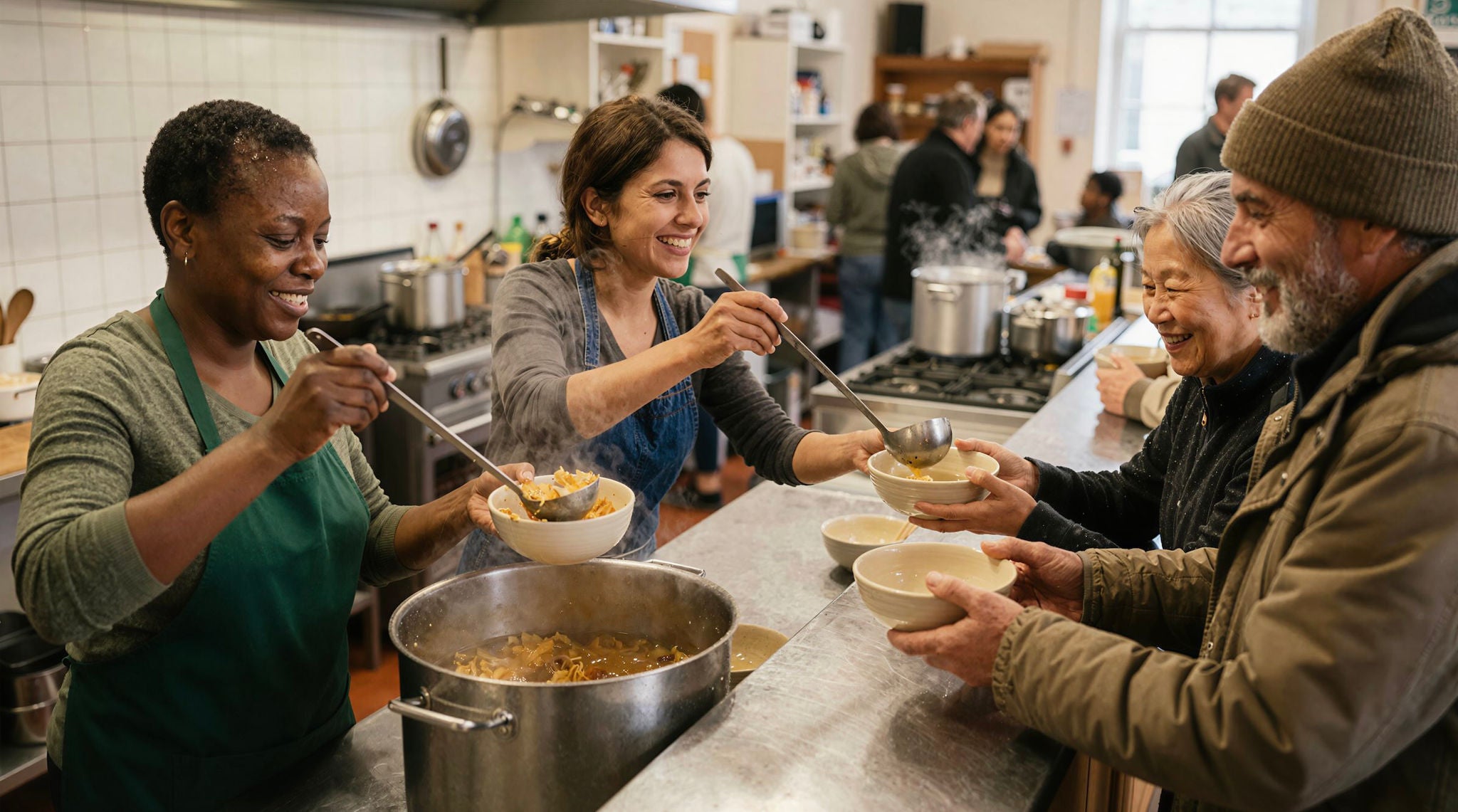
Giving back is a big part of the holidays. It can also help you feel needed, connected and thanked. Think about what you could do for people in your community.
Ways to give back
Give money to a charity
Volunteer at a local shelter or food bank
Help older family members with chores or repairs
Sing carols with friends or family at an assisted living home
Get creative! Your time and care can mean a lot to someone.
FAQs
Are the holiday blues normal?
Yes. The holiday blues are feelings of sadness, worry, or stress that show up around the holidays. A poll by the American Psychological Association found that about 9 in 10 adults feel stress from something during the holiday season.
How do I know if it is more than the holiday blues?
Look at how long the feelings last and how much they get in your way. According to the National Institute of Mental Health, depression means having symptoms most of the day, nearly every day, for at least two weeks. If this sounds like you, talk to a doctor or therapist. If you are thinking about hurting yourself, call or text 988 right now.
How can I handle loneliness during the holidays?
Loneliness is common, even when people are around. In the American Psychiatric Association’s 2025 poll, about 31% of adults said they were worried about being lonely. Small steps can help, like reaching out to a friend or joining a community event. Volunteering can bring comfort and a sense of purpose, and talking with friends, family, a counselor or a support group can help too.
Main takeaway
The holidays can bring many feelings at once, and that is OK. Name your feelings. Keep your hopes realistic. Set limits that protect you. Try not to compare your life to others, and be kind to yourself.
Try a few of these tips and see which ones feel best. Over time, they can help you find more peace and balance this holiday season.
Sources
- American Psychology Association. Even a joyous holiday season can cause stress for most Americans. Accessed October 14, 2026.
- National Institute of Mental Health. Depression. Accessed October 14, 2026.
- American Psychology Association. APA poll reveals a nation suffering from stress of societal division, loneliness. Accessed October 14, 2026.
Was this article helpful?
Sign up to unlock your health, your way at no cost to you.
This content is not intended to be a substitute for professional medical advice, diagnosis or treatment. Always seek the advice of your physician or other qualified health provider with any questions you may have regarding a medical condition.
You may not be eligible for all services. Log in to view the benefits included in your plan.