
Exploring the switch from GLP-1 injections to GLP-1 pills
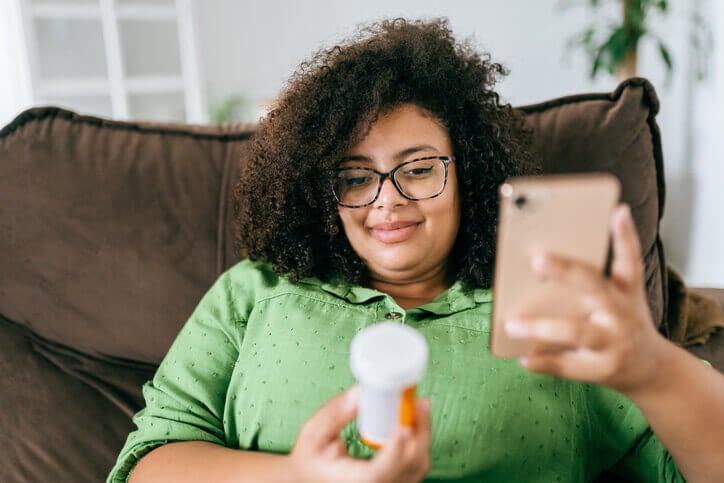
At first, using GLP-1 medication for weight loss required an injection. Now, oral options that allow users to take a daily pill instead are also available. Maybe you don’t like shots or have had injection site reactions. Or you just think a pill suits your lifestyle better. There are many reasons why a person might want to switch from injections to oral medications. Here are a few things to keep in mind:
Consult your healthcare team
Some people do explore oral options after using injectable GLP-1 medications. Your provider will help you determine if it’s a good switch for you. Once you make that decision, your healthcare team will help you figure out an appropriate schedule. Timing considerations can vary by medication. Your healthcare team can help you strategize.
Mind your timing
For your injectable GLP-1, you were likely advised to take the shot at the same time of day each week. For some oral medications, timing is even more important. Be sure to check with your healthcare provider on what the restrictions are around timing on your pill. Some people find it helpful to set a reminder or alarm for medications that have specific timing considerations.
Be careful with food
Certain oral GLP-1 medications have specific administration requirements related to food, beverages or other medications. This may not apply to all oral GLP-1 meds, however, so check with your pharmacist to be sure about yours.
Consider other medications
Interactions with other medications can vary. Talk to your healthcare provider or pharmacist to find out if this applies to your pill and strategize on the best time to take your other medications.
Follow the instructions
Manufacturers usually recommend that injectable GLP-1 medications are stored in the refrigerator. Oral meds, however, can be kept at room temperature. This should make life a bit easier, especially when it comes to travel.
Monitor your symptoms
Your healthcare provider will work with you to help you find a medically appropriate dose. If you notice any side effects, keep track of that information. The more you share with your provider, the better they can supervise your treatment and adjust as needed.
Stay in touch with your team
Your healthcare provider is there to help answer questions, give you useful tips, and adjust your routine as necessary. Being in regular contact with them can help you get the support you need for a successful transition to oral GLP-1 medication.
Sources
- Foundayo – orforglipron tablet, film coated. [label]. DailyMed website. 2026. Accessed April 22, 2026. https://dailymed.nlm.nih.gov/dailymed/drugInfo.cfm?setid=8ac446c5-feba-474f-a103-23facb9b5c62
- Wegovy – semaglutide injection, solution. Wegovy – semaglutide tablet. [label]. DailyMed website. 2026. Accessed April 22, 2026. https://dailymed.nlm.nih.gov/dailymed/drugInfo.cfm?setid=ee06186f-2aa3-4990-a760-757579d8f77b
Was this article helpful?
Sign up to unlock your health, your way at no cost to you.
This content is not intended to be a substitute for professional medical advice, diagnosis or treatment. Always seek the advice of your physician or other qualified health provider with any questions you may have regarding a medical condition.
You may not be eligible for all services. Log in to view the benefits included in your plan.