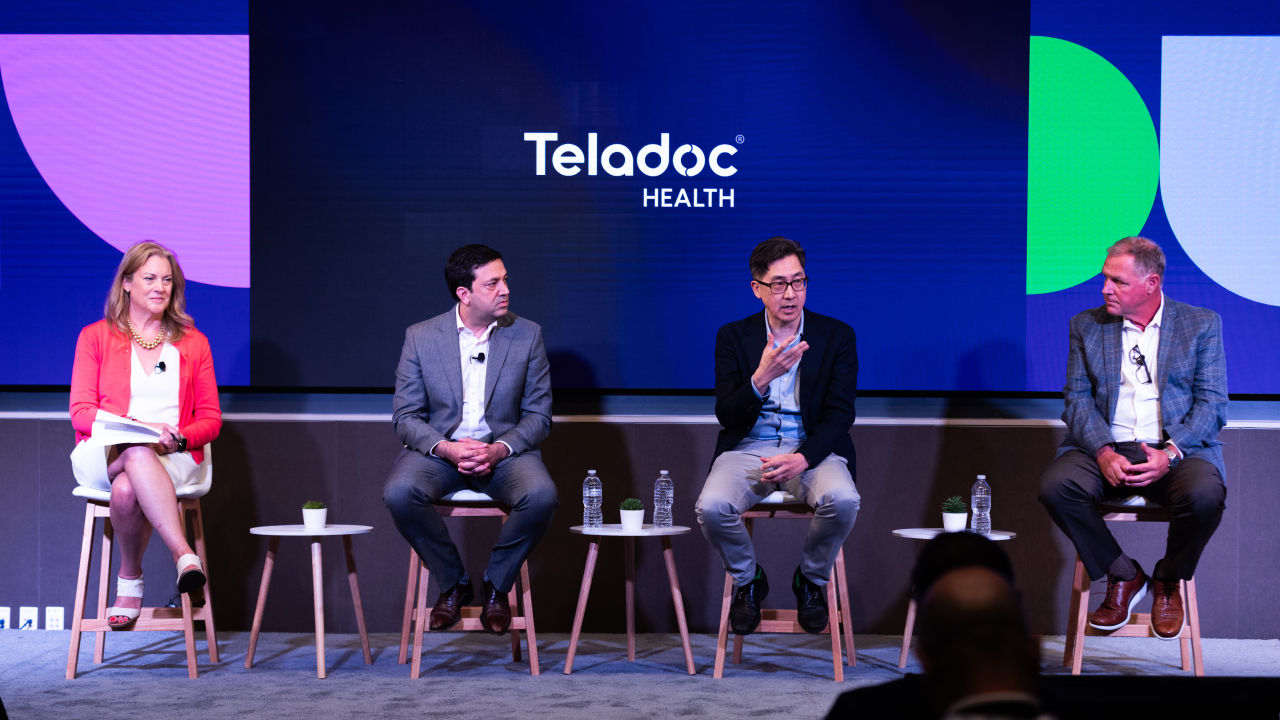
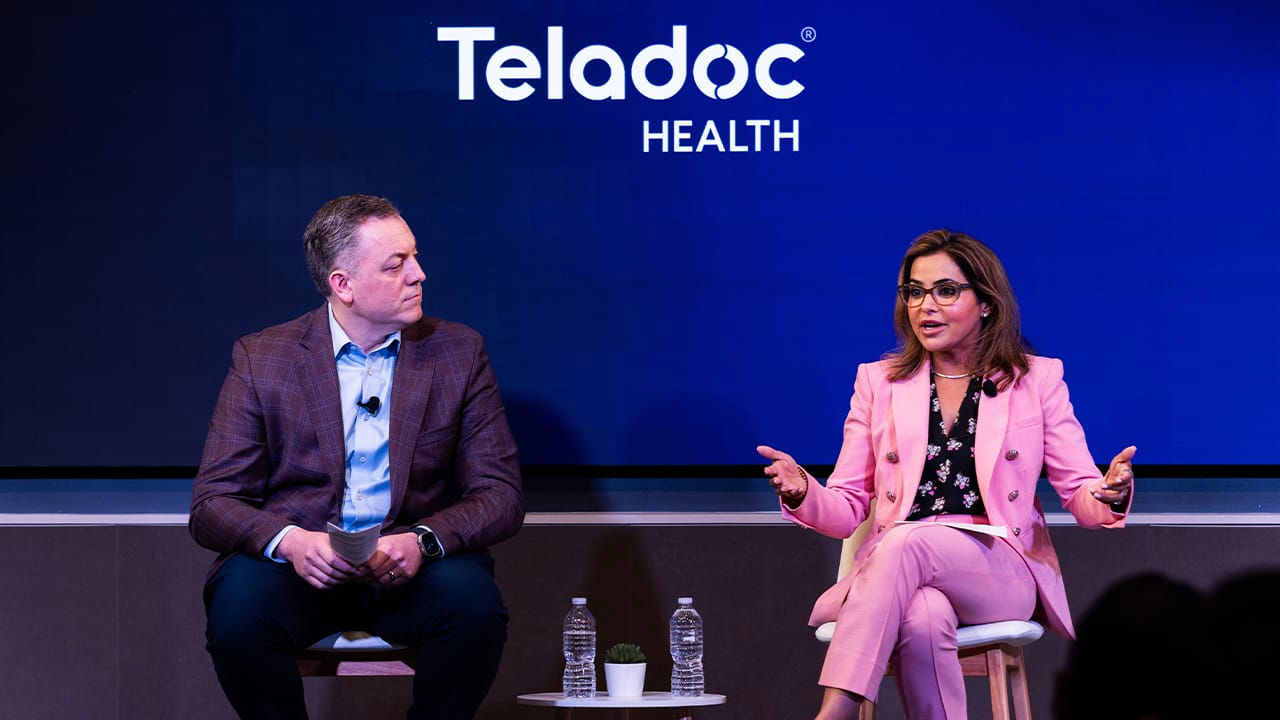
Here are five strategic shifts that are likely to shape the next generation of healthcare innovation.
1. AI has become a business strategy—not just a technology initiative
Only a few years ago, AI discussions largely lived within innovation or IT teams. Today, they have moved into boardrooms and executive leadership discussions.
AI has become an enterprise priority influencing clinical operations, member engagement, data strategy, workforce transformation and organizational governance. Rather than asking whether AI belongs in healthcare, organizations are now focused on determining where it creates the greatest value and how to implement it responsibly. The conversation has shifted from experimentation to execution.
2. The future isn't AI versus humans—it's AI working alongside humans
Healthcare leaders are not looking to replace clinicians or care teams with AI.
Instead, they envision AI becoming an extension of the care team—helping clinicians, nurses, care managers and customer service representatives work more efficiently while preserving the trusted human relationships that remain central to healthcare.
AI should enhance human expertise through supporting activities such as:
- Summarizing complex clinical information
- Personalizing member engagement
- Identifying opportunities for earlier intervention
- Reducing administrative burden
- Supporting care coordination across the healthcare journey
3. Trust will determine the pace of adoption
Technology is advancing rapidly, but healthcare adoption will ultimately depend on trust.
While AI has enormous potential, members and providers must have confidence that these technologies are transparent, reliable and designed to improve—not complicate—their healthcare experience.
Organizations are investing heavily in governance frameworks, clinical oversight and responsible AI practices because healthcare demands a higher standard than many other industries. Leaders agreed that thoughtful implementation and clear human oversight will be critical to building long-term confidence.
4. Better data enables better decisions
AI is only as powerful as the information it can access. By creating a more complete, longitudinal understanding of each member by bringing together clinical, claims, behavioral and care management data, health plans see tremendous opportunity in using AI to transform fragmented care. This turns information into actionable insights that enable earlier identification of risk, more personalized engagement and better coordinated care. Rather than simply generating more data, organizations are focused on generating better decisions.
5. Collaboration is the next competitive advantage
AI also provides an opportunity for greater collaboration across the healthcare ecosystem. Health plans, providers and technology organizations are each investing significantly in AI. Yet meaningful transformation will require these stakeholders to work together more closely to create connected experiences for the people they collectively serve.
The future of AI in healthcare will not be defined by isolated innovation. It will be defined by how effectively organizations collaborate across care settings, share insights responsibly and coordinate around the needs of the individual member.
Looking ahead
AI alone will not transform healthcare.
Success will come from combining responsible AI with trusted clinical expertise, connected data, thoughtful governance and meaningful collaboration across the healthcare ecosystem.
At Teladoc Health, we believe AI should strengthen—not replace—the human connections that define great healthcare. By combining intelligent technology with clinical expertise and longitudinal care coordination, we are helping health plans deliver more personalized, connected and effective care experiences for the members they serve.
By bringing together leaders with diverse perspectives, we can collectively shape an AI-enabled future that advances innovation while preserving what matters most: trust, partnership and better health outcomes.