A virtual medical home: What happens when care finally connects
For 20 years, Cory’s symptoms went unheard. Then everything changed.

THOUGHT LEADERSHIP
For 20 years, Cory’s symptoms went unheard. Then everything changed.
The healthcare experience can be fragmented and frustrating, especially for those who are managing multiple health conditions. Providers are disconnected, data is inaccessible and even the most informed patients can be left navigating their care alone, spending, on average, eight hours a month.
Take Cory, for example, a healthcare leader and bioethicist who knows this experience firsthand. As someone who held in-person care as a quality standard, it didn’t always ring true. Cory felt rushed and dismissed, causing him to reconsider the severity of his health concerns. If a professional immersed in the healthcare system could fall through those cracks, the problem was never about effort or advocacy but a system with no connective tissue.
The turning point for Cory was not a newer device or a faster appointment; it was a different experience altogether. During Cory’s initial introduction to Teladoc Health, the doctor he was assigned surprised him with a patient-centered approach.
The convenience of virtual care mattered, but what actually shifted how he experienced care was accessibility paired with quality and connectedness.
Cory describes Teladoc Health as a “virtual medical home,” where care is coordinated and centralized and care plans are aligned around him and his needs. With everything in one app, the elements of Cory’s care are connected and support is embedded into everyday life.
His first patient-centered encounter became the entry point. During his initial conversation with his primary care provider, a long-standing condition that Cory had raised to other clinicians over the years was finally diagnosed.
"She was the first one to hear me," Cory said. "That's profound."
That acknowledgement and validation created a bond between Cory and his provider, who has become a central figure in helping to manage his health.
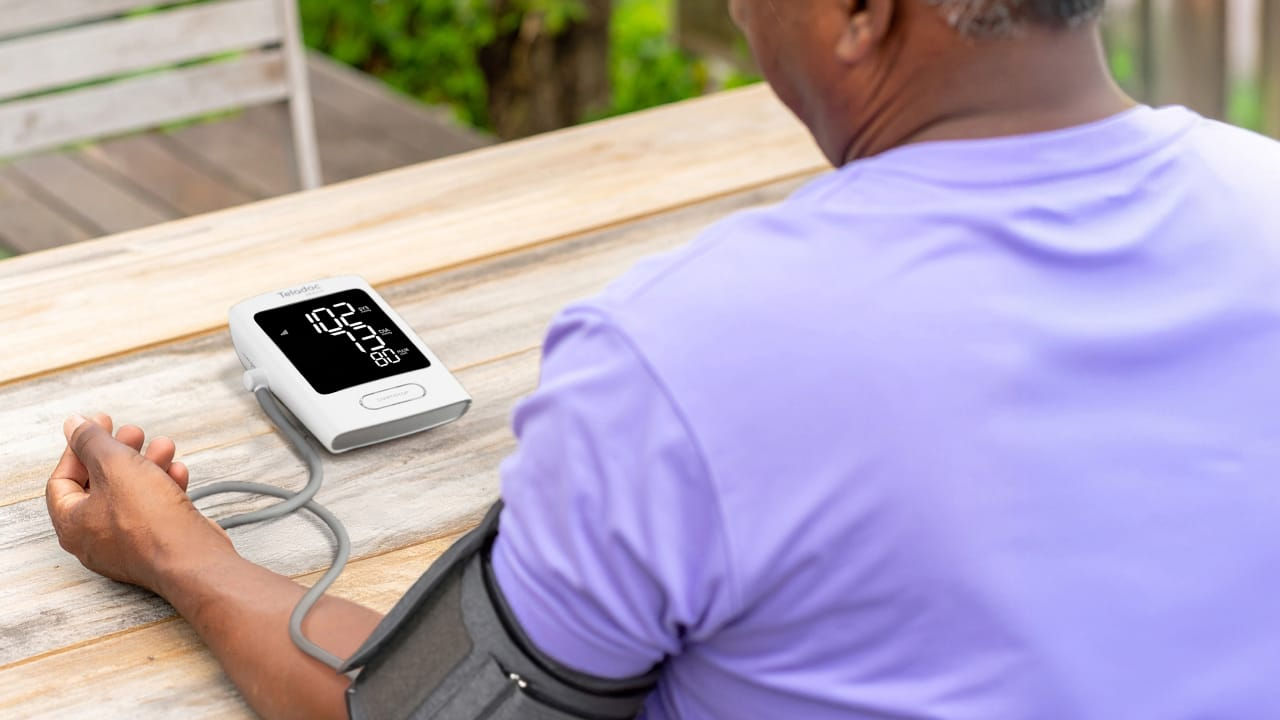
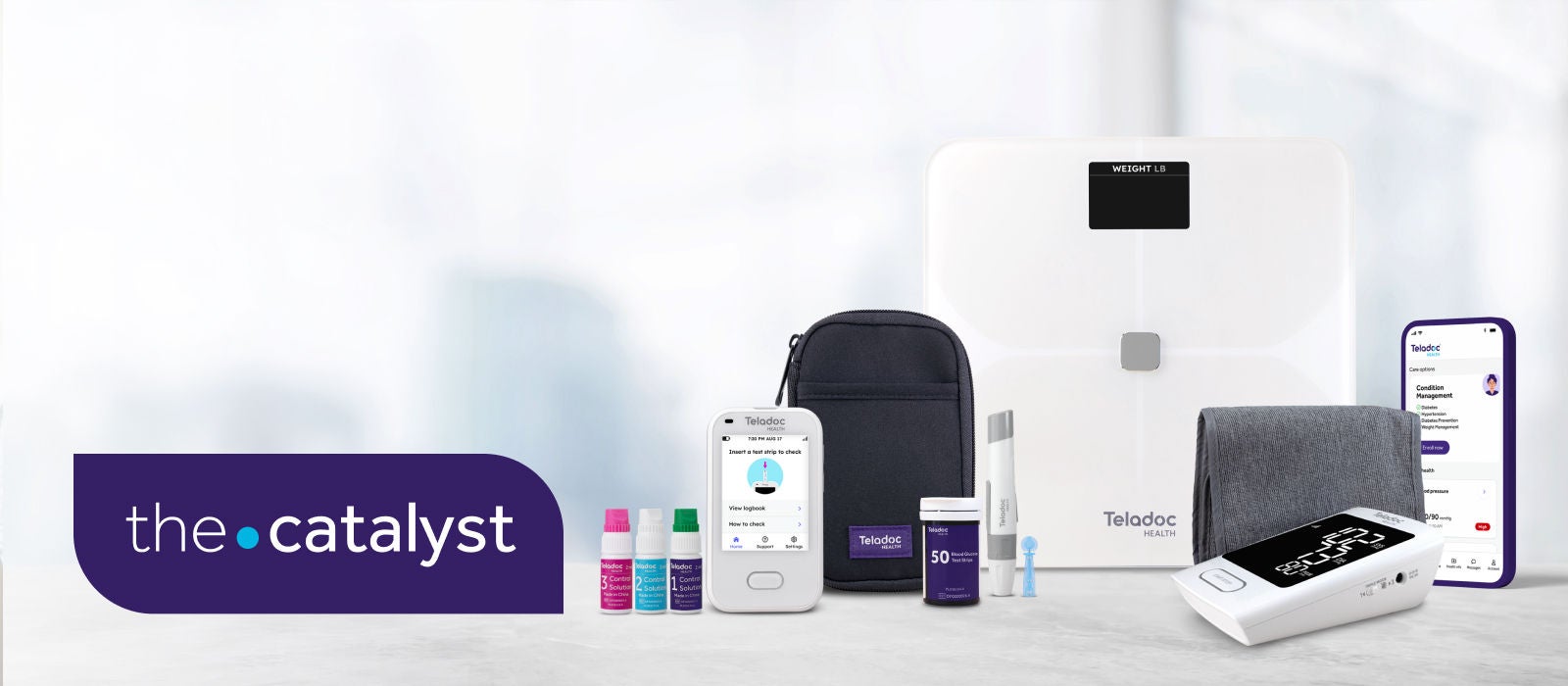
The access and continuity extended into the everyday tools of managing his conditions. As a person living with diabetes, Cory received a glucose meter, a blood pressure monitor, and a scale, all digitally connected and visible to both him and his clinicians.
With innovative, AI-enabled technology, the data collected about members like Cory can serve as a "digital twin," always updating and learning, on the lookout for any concerns and prompting personalized intervention. This allows the care team to spot issues early and step in before small problems become big and expensive. This kind of connective data showing up in Cory's experience today is what Teladoc One was built to bring together at scale, so every provider a member sees has the full picture, not just their piece of it.
That personalization already helps clinicians know more about their patients coming into an appointment. This results in less time lost and a more focused visit with the ability to treat without distractions, and it's the direction the entire platform is moving toward.
What ultimately sets Teladoc Health apart, Cory says, isn't just the technology and coordination; it's the human connection that results from both.
"She listened, she responded and she engaged in a way that I haven't seen in in-person care — and I work in healthcare," he said. "There's healing in that. It's not just the medicine. It's the relationship."
Now, Cory is more proactive and engaged in managing his conditions, and the results are showing up in ways his family notices, not just his chart.
"I've lost seven pounds," he said. "That makes all the difference in the world. Not only do I get that personal celebration, but my family rallies around me because they see the change."
Care that finally connects doesn't just treat a condition. It gives someone back the feeling of being seen by their provider, and by the people who love them.