I speak with benefits leaders every day about how to best design virtual care strategies that improve access, experience and outcomes. Employers are being asked to do more with benefit dollars while navigating new policy guardrails, like H.R. 1, recently passed legislation that allows first-dollar coverage for virtual care under high-deductible health plans.
Market pressures on benefit leaders and shifting policies are accelerating the need for strategies like advanced primary care and $0-copay virtual access. Employers who successfully navigate this new landscape can reach people who don't traditionally engage and start them down the path to better health.
Why policy is pushing care to the front door
Over the past few years, benefits leaders have faced growing expectations from both employees and internal leadership, making access, simplicity and measurable value non-negotiables. A single, always-on entry point, with primary care at the center and virtual capabilities stitched throughout, has never been more important.
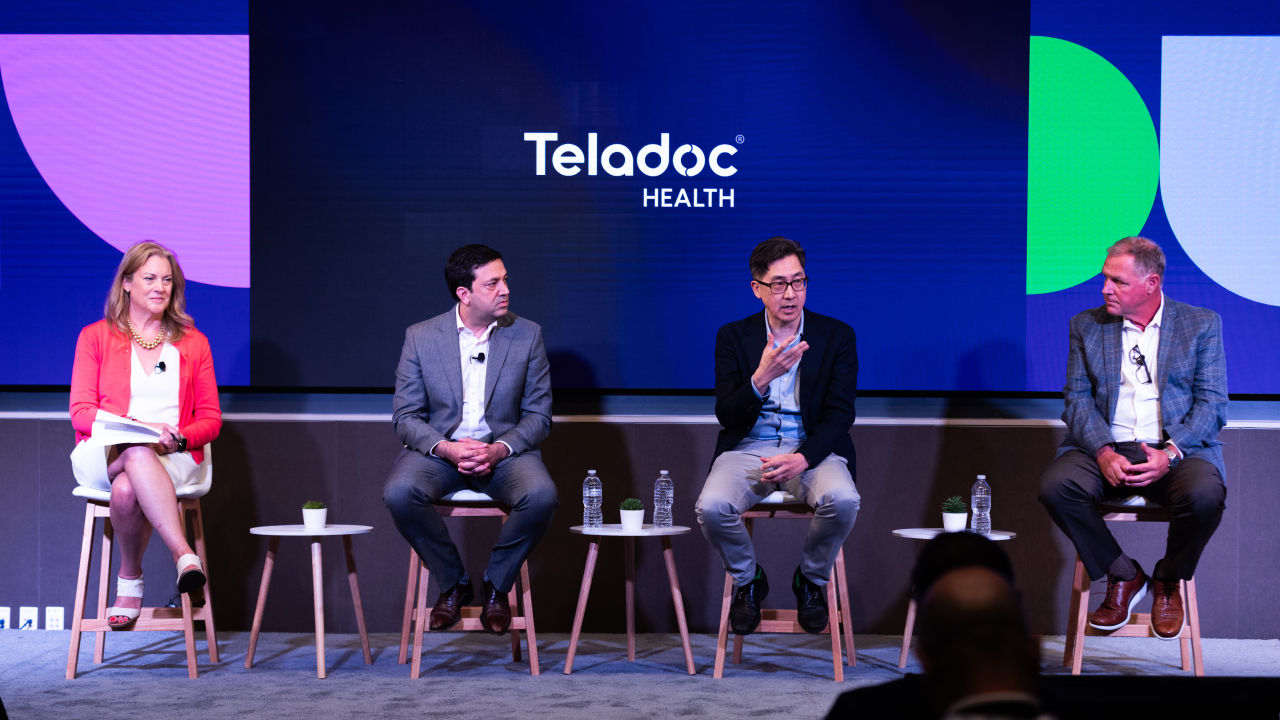
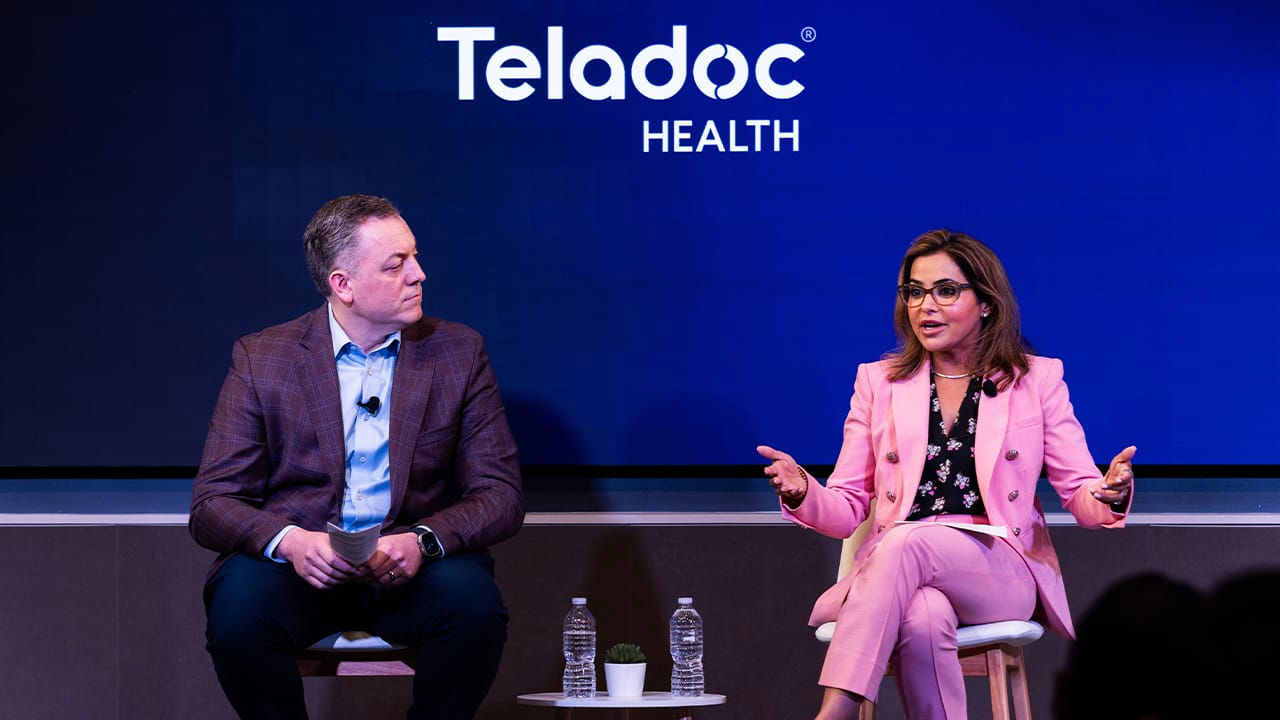
HII is the largest shipbuilding company in the U.S. with shipping yards in rural areas. With more than 40,000 employees spanning generations, virtual primary care has become a core lever for access and affordability. "We have multi-generations in the yard," Kimberly Csan, Corporate Director, Benefits Strategy & Engagement at HII, told me when I was on stage with her at the Employee Health Care Conference. "There is a specific generational group who simply won't go into an office setting for care. Giving them access to virtual care was priceless."
Until policy changes like H.R. 1 made first-dollar coverage viable, virtual care often sat on the sidelines, valued but not designed as the true front door and constrained by cost friction. Policy changes are removing those barriers now and making virtual care more accessible, allowing for virtual primary care to serve as the most effective starting point for employees, like those at HII.
What H.R. 1 unlocked for plan design
First-dollar coverage has opened up many possibilities. By standardizing co-pays across plan types, including high-deductible health plans, for virtual care, employers can lower barriers to care.
My goal is to guide employers focused on maximizing virtual care to ensure a simplified and accessible experience for all employees. This begins with clarity for employees at the moment of need, and the end result is significant cost savings for employers.
"Regardless of their situation, when employees know the visit will be $0, they don't delay," Csan said. "They start with virtual care, not the ER."
For Carey Shore, Wellness Program Manager with Heidelberg Materials, a multinational building materials company with over 9,000 U.S. employees, policy shifts mean doubling down on simple, affordable access so teams in the field can reach care from anywhere. "It's critical we meet our employees where they are and listen to what they need. It's important our employees have access to quality care, and it's important that it's virtual."
Advanced primary care, made practical
Heidelberg Materials and HII are like many employers: using advanced primary care strategies that build on traditional primary care to better support their workforce with comprehensive, patient-centered care. They want benefits that are easily accessible, designed for outcomes—not volume—and integrated across physical and mental health.
Teladoc Health supports employers with a virtual-first model that pairs a strong clinical foundation with 24/7 access so employees can start care anywhere and receive guidance to the next best step, in network and in context of their benefits.
What these employers describe is receiving care in the moments that matter—focusing on the outcomes of care as opposed to the volume. Virtual primary care provides both a predictable investment for employers and a better health outcome for employees. Standardized virtual co-pays made the choice easier; pairing that benefit with clear communication drove adoption.
Both HII and Heidelberg Materials have workforces that include employees who commute long distances, share family vehicles, or live where public transportation is limited. For those members, virtual primary care and virtual cardiometabolic health support, along with 24/7 access, are not just conveniences, they are the difference between timely care and a weekend ER visit.
Policy provides the opportunity, but design is the differentiator. Employers can start with a strong primary care strategy, incorporating virtual care and support, and make easy access the default, using every encounter to move employees one step closer to better health.