Nutrition is foundational to cardiometabolic health. But with busy lives, tight budgets and even limited access to fresh food, it can be difficult for people to consistently fit healthy recipes and nutrition guidance into their daily lives. According to a 2024 study1 with the American Heart Association, 77% of Americans say they want to eat a healthier diet, yet nearly half (46%) report that regularly obtaining and eating nutritious foods is a challenge.
At Teladoc Health, we know that removing the barriers that get in the way of better food choices can be a powerful force to drive better health outcomes. That’s why we’re excited to share a new partnership between Teladoc Health and Instacart, the leading grocery technology company in North America.
Together, we’re making it as simple as possible for people to eat healthier. As the global leader in virtual care, people turn to Teladoc Health because they can get quality care anywhere—from the afternoon carpool line to late night in their kitchen. Through this partnership, we can now bring Teladoc Health to yet another place: your grocery cart.
Teladoc Health’s recipes are now shoppable
With the Instacart integration, members can now browse Teladoc Health’s curated recipes and nutrition content, like heart-healthy dinner recipes or diabetes-friendly meal plans, and add ingredients directly to their Instacart cart, bringing personalized nutrition guidance off the screen and directly into home kitchens without the added friction. This integration supports a critical step in behavior change by supporting adherence to nutrition recommendations linked to improved cardiometabolic outcomes.
Research shows2 that when people have better access to recommended foods, they are more likely to follow nutrition guidance and see improvements in measures such as glycemic control and blood pressure.
By giving members the ability to add ingredients directly to their grocery cart from Teladoc Health’s nutrition content, we are helping put guidance into practice without the added steps.
Rewarding meaningful health actions to support better engagement
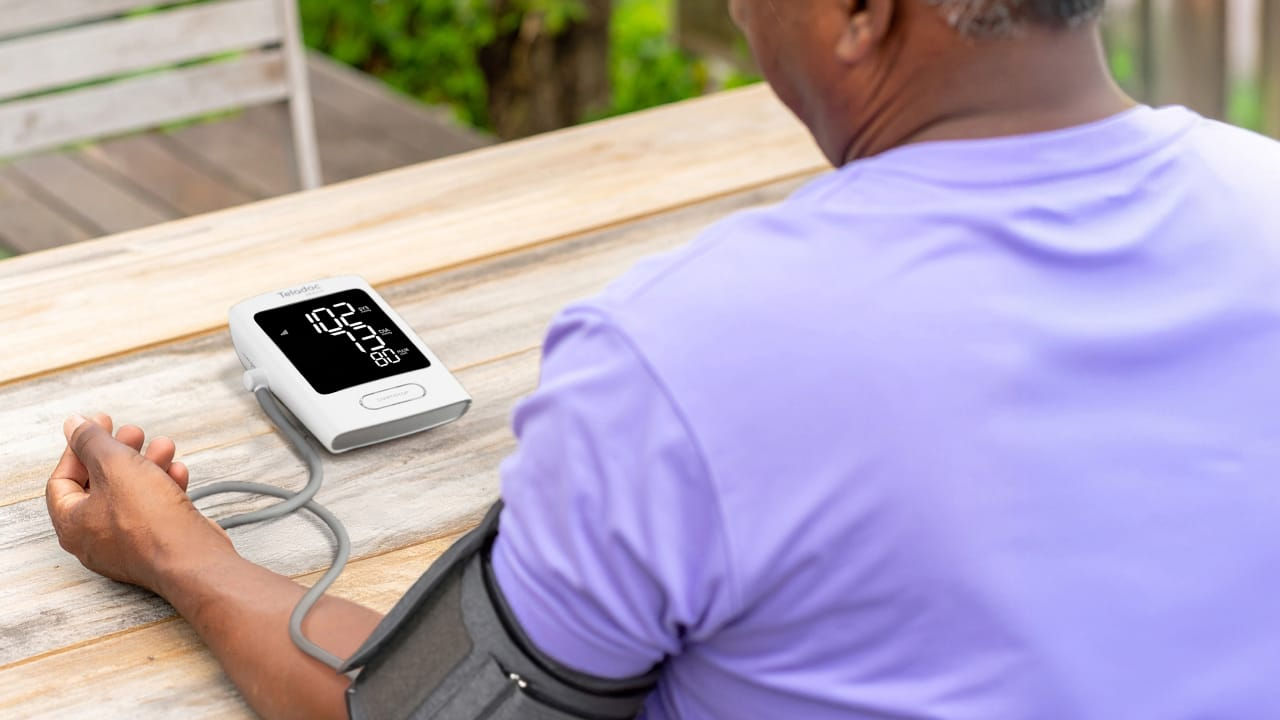
As part of this partnership, eligible Teladoc Health members can also earn Instacart Health Fresh Funds—digital grocery stipends that can be redeemed for nutritious food at any grocer available on Instacart—by completing program-specific device checks through Teladoc Health, like a blood glucose reading or smart scale weigh-in.
Clinical studies3 show that incentives tied to specific self-management behaviors can increase adherence to activities such as regular monitoring and follow-up. These behaviors matter because more consistent monitoring is associated with earlier intervention and better long-term outcomes in chronic condition management. When paired with care guidance, rewards can help sustain engagement in these evidence-based behaviors without replacing intrinsic motivation.
Fresh Funds can act as an additional lever to re-engage inactive members by incentivizing those small, clinically meaningful steps to support ongoing condition management.
Improving chronic care outcomes by reducing access barriers
While rewards can motivate action, this integration goes a step further by addressing the access barriers that often stand in the way of achieving better health. With Instacart, we’re also helping to address structural barriers to healthy eating that can be more pronounced in rural and low-access communities.
Instacart serves nearly 98% of U.S. households, including 95% of households that are located in food deserts. This reach can help extend evidence-based nutrition support into the homes of our members who are located in hard-to-reach communities.
Our goal is to make healthy choices more convenient, no matter where someone lives. By connecting grocery access with personalized care support, we’re helping remove everyday barriers and make it easier to put nutrition guidance into action.
This partnership is an important step to help us meet our members where they are so we can connect guidance, motivation and access in a way that’s practical for members and scalable for our clients.