
Don’t be rash: protect your skin from the great outdoors
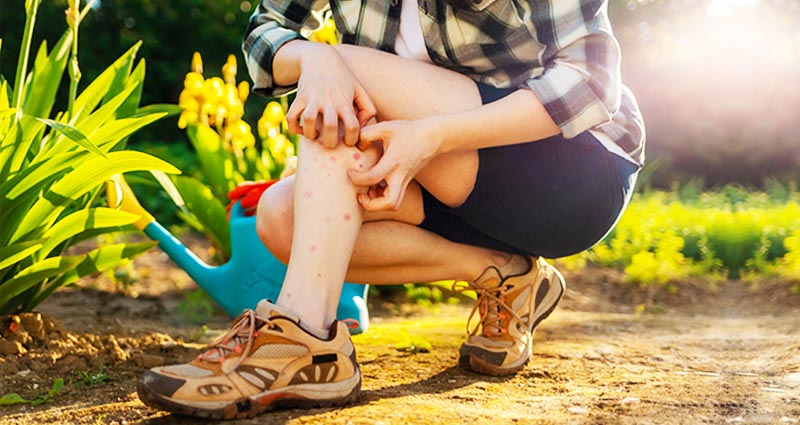
Warmer weather means more time spent outside. Naturally, we’re wearing less clothing. Shorts, tanks and swimsuits are the uniform. It’s the perfect time to participate in activities that may involve contact with sand, grass, water and more.
All this exposure puts us at risk and could leave us with irritated, itchy, red or even blistered skin.
A ‘rash’ is an area of inflammation that can have numerous causes. You could touch a troubling substance (contact dermatitis), have severely dry skin or be exposed to certain medications. In some cases, it can be a sign of a larger medical problem. The skin is acting as a warning sign.
Common types of rashes
Athlete’s foot: Tinea pedis, known as athlete’s foot, is a fungal skin infection of the foot. It’s itchy and the skin peels. It usually comes from contact with fungus from another person. Avoid bare feet in public showers or locker rooms. Keep your feet clean and dry. Don’t share towels, linens or shoes, and wear socks made of natural fibers or moisture-wicking fabric.
Insect bites: Mosquitos, fleas, biting flies, mites, bees, wasps, hornets, spiders, ticks and fire ants are some of the most common bugs that bite or sting. Although mostly harmless, some can be dangerous if you are allergic or the bug is carrying a disease. Cover exposed skin when outdoors and use insect repellant with 20%-30% DEET. Always read directions and follow instructions.
Poison ivy, oak and sumac: It presents as a rash of itchy bumps that can be angry, red and blistery. This is caused by coming in contact with the plant’s oil. Cover exposed skin when outdoors. Wash up with lukewarm soapy water and change your clothes as soon as you come inside.
What do I do if I get a rash?
A lot of things that touch our skin may cause the area to be irritated. Common causes are metals and plastics used to make jewelry, eyewear or cell phones. Ingredients like fragrances found in household and skin care products can also irritate.
Where and when the rash appears can give clues. Were you in contact with new products or substances or a person who was recently ill? Did you come across a plant or bug?
Not all rashes are alike. Some may feel better using at-home treatments like:
- hydrocortisone anti-itch cream
- oral or topical antihistamine
- calamine lotion
- colloidal oatmeal bath
If any condition is not improving or is worsening, you should make an appointment to see your doctor or dermatologist.
Warning signs
Rashes can be a sign of a much more serious condition and could be life-threatening, especially if caused by an allergic reaction. The American Academy of Dermatology recommends getting immediate medical attention if a rash:
- accompanies a fever
- appears suddenly and spreads quickly
- becomes infected
- causes pain
- covers your body
- starts to develop blisters
Be on the lookout for and steer clear of possible irritants for a rash-free spring and summer.
Sources
- American Academy of Dermatology Association. How to prevent athlete’s foot. Accessed November 18, 2026.
- American Academy of Dermatology Association. Tips to prevent and treat bug bites. Accessed November 18, 2026.
- American Academy of Dermatology Association. Poison ivy, oak, and sumac: What should I do if I touch a plant?. Updated April 28, 2026. Accessed November 18, 2026.
- American Academy of Dermatology Association. Poison ivy, oak, and sumac: How to treat the rash. Updated June 1, 2026. Accessed November 18, 2026.
- American Academy of Dermatology Association. Itchy rash could be contact dermatitis. Updated December 15, 2020. Accessed November 18, 2026.
- American Academy of Dermatology Association. Rash 101 in adults: When to seek medical treatment. Updated January 22, 2024. Accessed November 18, 2026.
Was this article helpful?
Sign up to unlock your health, your way at no cost to you.
This content is not intended to be a substitute for professional medical advice, diagnosis or treatment. Always seek the advice of your physician or other qualified health provider with any questions you may have regarding a medical condition.
You may not be eligible for all services. Log in to view the benefits included in your plan.