
The surprising health benefits of fall yard work
Key points
Fall yard work can count toward weekly cardio exercise goals
Tasks like digging and lifting help build functional strength
Using proper lifting techniques can help support safer yard work
Imagine having the fall yard of your dreams while strengthening your body and mind. Fall yard work is the perfect opportunity to do it all at once. Aside from the obvious benefits to your lawn, yard work burns calories, engages muscles and can be a mindful activity. Making your yard beautiful doesn’t have to feel like work. It can be an energizing workout. Keep reading to discover how.
Try cardio in disguise
The American Heart Association recommends getting between 75 and 150 minutes of cardio exercise every week. The good news is that a lot of yard work can fall into the category of cardio. Change the intensity of your workout by changing how fast you work. Here are a few yard work tasks that get your heart pumping:
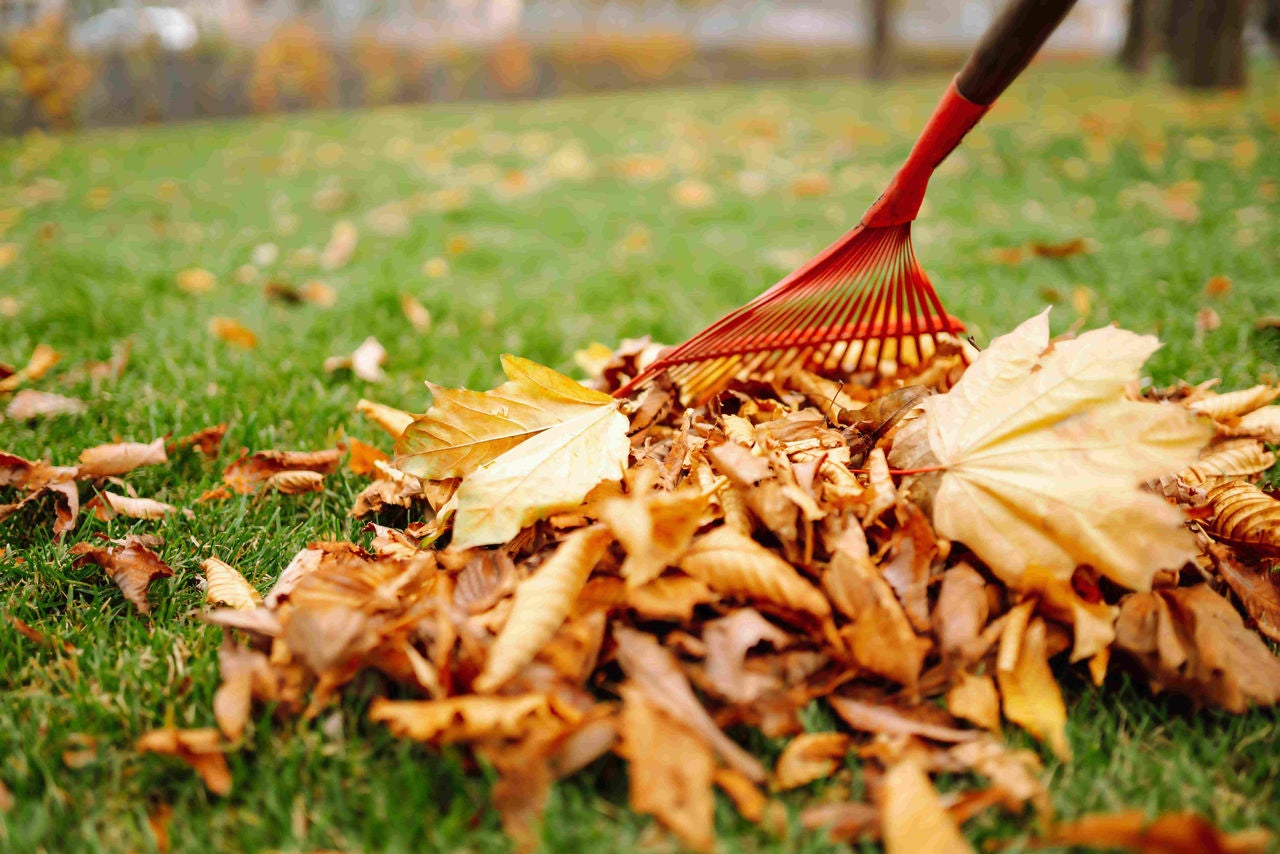
Raking leaves
Mowing the lawn
Rearranging yard decor
Bagging and hauling leaves
Build real-world strength
Some yard work tasks can build functional strength because they mimic real-life movement patterns. They engage muscles that you use every day. This makes yard work a great supplement to lifting weights or doing strength training at the gym. And just like traditional strength training, yard work can support maintaining your strength and mobility as you age. Yard work tasks that target your legs, back, abs and arms include:
Digging
Planting bulbs
Hauling leaves, debris and mulch
Lifting heavy bags or yard equipment
Boost your mental health
Spending time in the sun, being in nature and moving your body are activities you can do to boost your mood and clear your mind. Exposure to sunlight boosts your vitamin D production, which is important for mood regulation and bone health. Spending time outdoors has been linked to reduced stress and improved overall well-being. And regular exercise releases endorphins, which can contribute to positive feelings and improved mood.
A note on safety
Give yard work the same caution and care as you would any traditional exercise. If you feel pain, stop the activity and check in with yourself. When lifting heavy items, make sure you lift from the legs and flex your ab muscles for more stability. Consider using supportive equipment when appropriate and follow safe lifting and movement techniques to reduce injury risk. Before starting a new fitness routine, check with your care provider if you have any questions or concerns.
Sources
- American Heart Association. Recommendations for physical activity in adults. American Heart Association. Accessed August 22, 2026. [New_Eviden...r Clinical | Word]
- National Institutes of Health Office of Dietary Supplements. Vitamin D fact sheet for health professionals. National Institutes of Health. Accessed August 22, 2026. [New_Eviden...r Clinical | Word]
- National Institute on Aging. Exercise and physical activity. National Institutes of Health. Accessed August 22, 2026.
Was this article helpful?
Sign up to unlock your health, your way at no cost to you.
This content is not intended to be a substitute for professional medical advice, diagnosis or treatment. Always seek the advice of your physician or other qualified health provider with any questions you may have regarding a medical condition.
You may not be eligible for all services. Log in to view the benefits included in your plan.