
Fun ways to stay fit on vacation: Easy, active ideas for every traveler
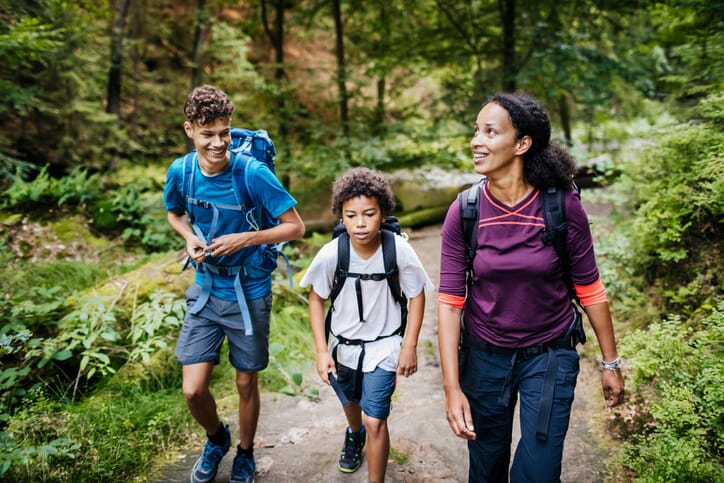
Travel naturally changes your routine, and that includes how you move. The good news: Staying active on vacation doesn’t require your usual workouts. A few simple, flexible habits can help keep your body moving while still making time to relax.
From walking tours to quick hotel room routines, these simple ideas make it easier to stay active wherever you go and with whomever you’re traveling.
Make use of the hotel pool
Hotel pools can be a boon for families and solo travelers alike. Instead of only lounging poolside, you can get some active “breaks” without swimming laps. Here are some ways you can get more from your pool time:
Water walking or jogging in place: Try stepping from side to side or jogging in the shallow end
Leg lifts and kicks: Hold the pool edge for support
Balance activities: Try simple yoga poses in the water
Arm circles, punches and rows: Use water weights (if available) for upper body strength moves
Explore your destination—one step at a time
There’s a reason comfortable walking shoes are a travel essential. You’ll likely log plenty of steps exploring a new place on foot.
Walking tours can help you learn about a city while building in movement. You can join an in-person tour (finding themed ones to suit your interest) or find an audio tour that you can listen to at your own pace.
Scavenger hunts are another playful option, especially for groups or families. Keep it simple. Look for landmarks, colors or street details. If you’re feeling extra motivated, you can make everyone bingo cards to check off along the way. Choose your walking loop and the items you need to find and set out. You’ll get more steps while having fun.
Turn local fitness classes into a travel experience
If there’s a group fitness class you enjoy, you don’t have to skip it while traveling. In fact, trying a yoga, spin or dance class somewhere new is a great way to explore your destination. You may also experience neighborhoods you wouldn’t otherwise visit—and get a feel for the local routine. Even if the class is in another language, you can usually follow along, especially if it’s a format you already know.
If the gym is more your vibe and your lodging doesn’t have one, check out nearby options. Many gyms offer day passes. Or, if you belong to a large gym chain, you might find an outpost in your destination.
Build pockets of activity into your downtime
It can be hard to set aside extra time for a workout, especially if you have busy sightseeing days or are traveling with your kids. But remember, all movement adds up. Try to build short bursts of extra activity at different touchstones throughout the day. For instance, you could:
Do a quick bodyweight workout before heading out for the day (think some planks and squats)
Take a stretch break before bed—good for unwinding after a day on your feet
Add a few minutes of walking between activities, if you’re not already walking a lot
These small habits can help you stay consistent without adding pressure to your schedule.
Choose playful activities everyone can enjoy
Many fun activities double as movement. Plus, they’re easy to do almost anywhere. Some ideas:
Head to the beach or a park and play frisbee, catch or paddleball
Check out the mini-golf or bowling scene. Yup, these sports also count as activity.
Dance while getting ready. Heading for a night on the town? Turn on some tunes and have a dance party while getting ready.
Maximize playground time—if you’re traveling with kids, chances are you’re hitting up a playground. Rather than sitting on a bench, play tag with them, do step-ups on the balance beam, or simply walk around.
Focusing on enjoyment can make movement feel more natural and inclusive for everyone.
Plan travel around activities you enjoy
Another approach is to plan vacation activities you already enjoy or want to try. For example:
If you love cycling, a guided bike tour lets you explore a new destination at a comfortable pace, with built‑in support and rest stops
Walking‑based trips, such as hut‑to‑hut hiking tours or multiday walking routes, combine sightseeing with steady, low‑impact movement
For golfers, choosing a destination with courses you’re excited to play can turn time on the course into both recreation and gentle physical activity
These kinds of trips don’t have to be intense. Many can be adapted to different fitness levels and adjusted day to day. The goal is to make movement feel like part of the experience—not something you need to fit in separately.
Reframe rest days
Not every day needs to be active—and that’s true on vacation too. Rest days play an important role in helping your body recover and reset. Whether rest means a slow morning, a nap or simply skipping planned movement, giving yourself permission to slow down can support your overall well‑being.
Vacation is a time to step away from everyday demands, and that includes being flexible with movement. Whether you’re walking more, trying something new or taking time to rest, listening to your body can help you feel your best—on the trip and after you return.
Was this article helpful?
Sign up to unlock your health, your way at no cost to you.
This content is not intended to be a substitute for professional medical advice, diagnosis or treatment. Always seek the advice of your physician or other qualified health provider with any questions you may have regarding a medical condition.
You may not be eligible for all services. Log in to view the benefits included in your plan.