
Power yoga flow to build strength and boost energy
It’s no secret that yoga has many amazing health benefits. Yoga can be part of a healthy low-impact fitness routine when combined with a nutritious diet. In fact, there are many types of yoga that help support different aspects of your physical and mental health. Learn more about the benefits of yoga here.
Vinyasa yoga, also called power yoga, is meant to work up a sweat and raise your heart rate. This makes it a great way to burn calories, build strength, boost your energy and support your cardiovascular health. As a bonus, vinyasa encourages mindful, slow breathing, which helps relieve stress. Below is a beginner power yoga routine that gets your blood flowing! Use the variations to adjust each pose to your comfort and skill level.
Talk to your doctor before starting any new exercise routines. If you feel pain or discomfort during this practice, stop practicing and check in with how you are feeling. You’ll need a yoga mat or a non-slippery surface like a carpet. For modified positions, you may need a chair or wall for support.
Warm-up
Child's pose
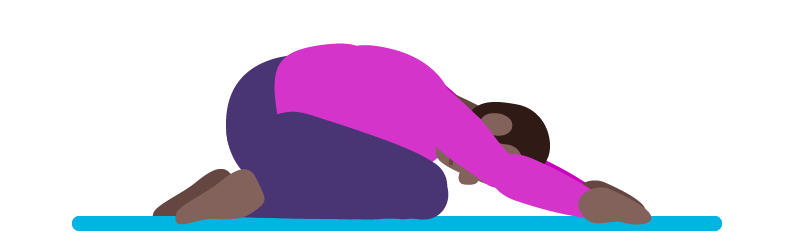
Bring your big toes together. You can separate your knees or keep them closed. As you exhale, bring your hips to meet your feet and rest your head on the mat or floor. If your head cannot reach the floor, feel free to use a pillow, blanket or block. You can outstretch your arms in front of you, or they can rest by your side.
Variation: From an upright position, take a deep breath in and straighten your lower back. When you exhale, lead with your chest and bend forward. Only go as far as is comfortable. Rest your head on your knees. If your head does not reach your knees, feel free to use a pillow, blanket or block. Let your arms rest beside your legs.
Stay in this pose for three or four breaths.
Cat-cow
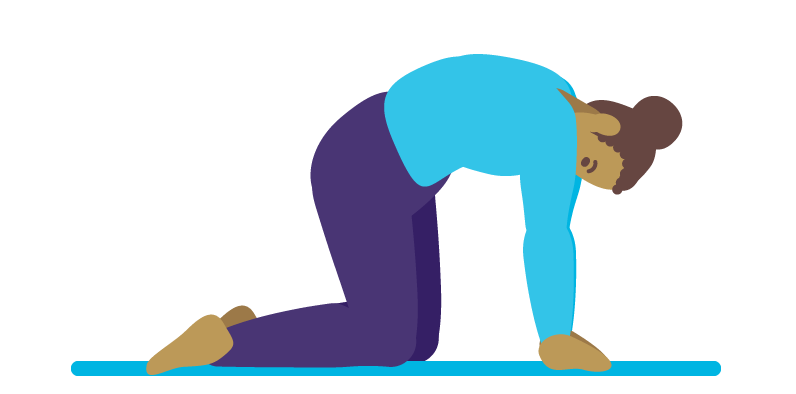
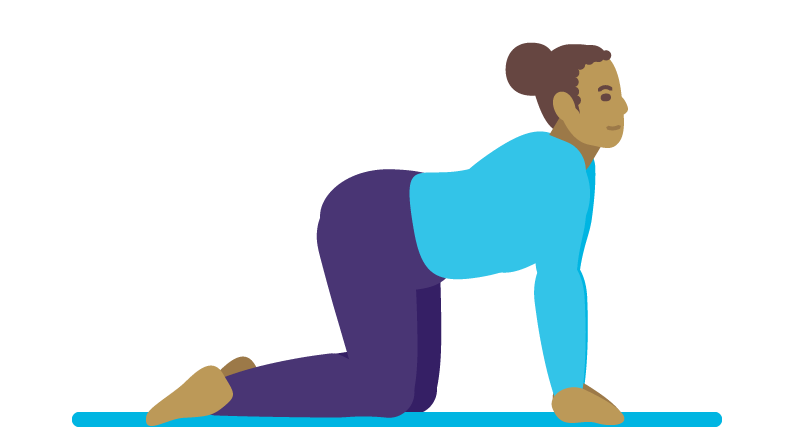
Bring your hands and knees to the floor so that your hips are over your knees. Make sure your shoulders are right over your wrists.
Variation: If you are sitting in a chair, straighten your lower back and bring your hands to your knees. Separate your knees hip-width apart.
Inhale and arch your back. Squeeze your shoulder blades together behind you. If it is comfortable, you may tilt your head back. When you are ready to exhale, roll your shoulders forward and bring your chin to your chest. Create more space between your shoulder blades.
Repeat this inhale-exhale cycle four or five times.
Sequence —right side
Downward-facing dog
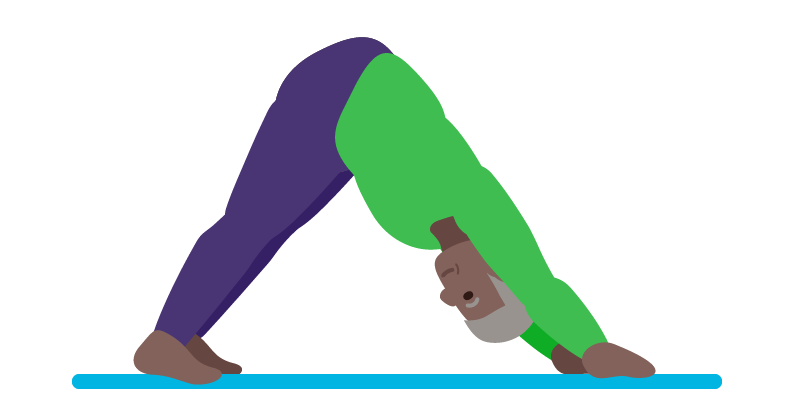
From your hands and knees, tuck in your toes. Breathe in and make sure your fingertips are pointed at a slight angle outward. When you feel steady, exhale and flex your abs. Push your hips toward the ceiling and keep your elbows slightly bent. Your knees should be off the mat. You may keep your knees bent. There is no need to straighten your legs unless it feels comfortable. If this pose is too difficult, feel free to return to child’s pose. You can use a block or books to keep yourself steady.
Variation: In an upright position, engage your abs and lean forward slightly. Only go as far as feels steady. Outstretch your arms with your palms facing forward. For a more intense stretch, lengthen your legs in front of you with your heels touching the ground.
Using a chair as support: Stand behind a firmly rooted chair and grab the back. Inhale and walk back a step or two. Exhale and bend forward. Keep your abs engaged and your lower back straight.
Crescent lunge
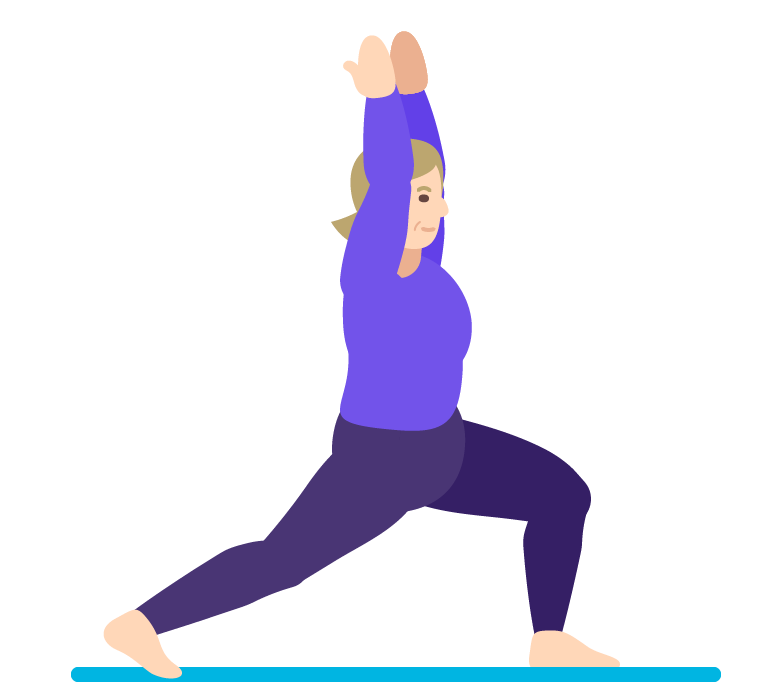
From downward-facing dog, step your right foot forward between your hands. Stack your right knee over your right ankle. Lift your back knee off the mat, pressing through the ball of the back foot. On your inhale, sweep the arms overhead, palms facing in. Flex your abs to keep your back straight. You might feel a mild stretch in your hip flexor.
Variation: Lower your back knee to the mat (use a folded blanket for padding if needed). Place both hands on your front thigh for support. You can keep the arms here or float them up when you feel stable. Focus on the sensation across the front of the back hip—that’s where the work is.
Warrior 2
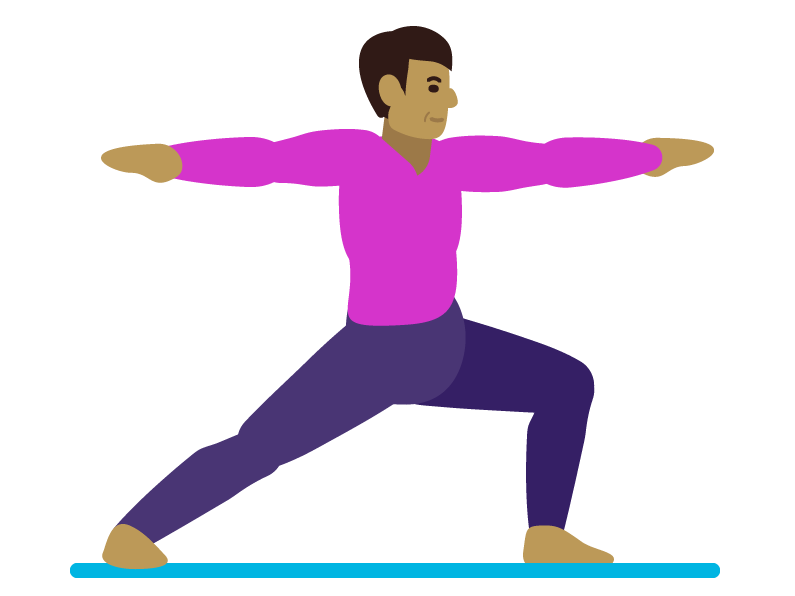
From crescent lunge, open your body to the left. Plant your back foot flat, toes pointing toward the left edge of your mat. Angle your back foot to about 45 degrees, or find a comfortable angle. If you are on a yoga mat, point your toes toward the top left corner of the mat. Bend into your front leg so that your knee is in line with your ankle or a little behind it. Find a position that feels right. When you are ready, flex your abs so that your torso is upright. Extend your right arm forward and your left arm back. Relax your shoulders and breathe here for a few rounds of breath. On your last exhale, step the back foot forward to meet the front. You may hold onto the wall or a nearby table to steady yourself while you do this.
Variation: Come to the edge of your chair and place the soles of your feet on the ground. While seated, turn to the left and point your left knee toward the left side of the room. The soles of both feet should still be on the ground. Engage your core and extend your right leg in the opposite direction. Reach your left arm forward and your right arm back. Stay here for a few rounds of breath. When you are ready, bring your legs back together in front of you. You may grab the seat of your chair to steady yourself.
Triangle pose
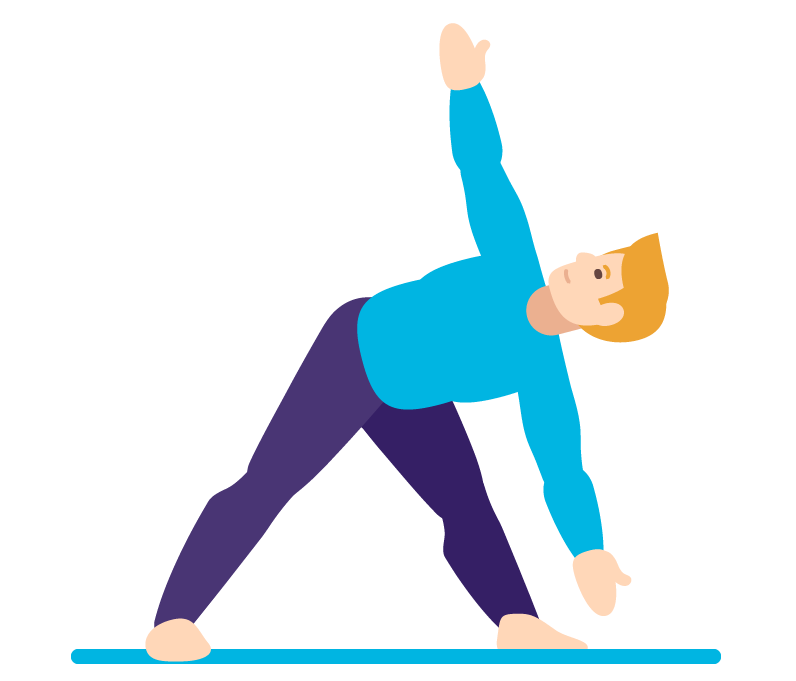
Straighten your right leg. Reach your right arm long toward the front of your mat, then hinge at the hip lowering your hand to your shin, a block or the floor. Extend your left arm straight up toward the ceiling. Turn your chest open to the left. Stack your top shoulder directly above the bottom one.
Variation: Rest your right hand on your thigh rather than reaching toward the floor. Keep a soft bend in the front knee if your hamstrings are tight. The rotation in the chest matters more than how low the hand goes.
Chair pose
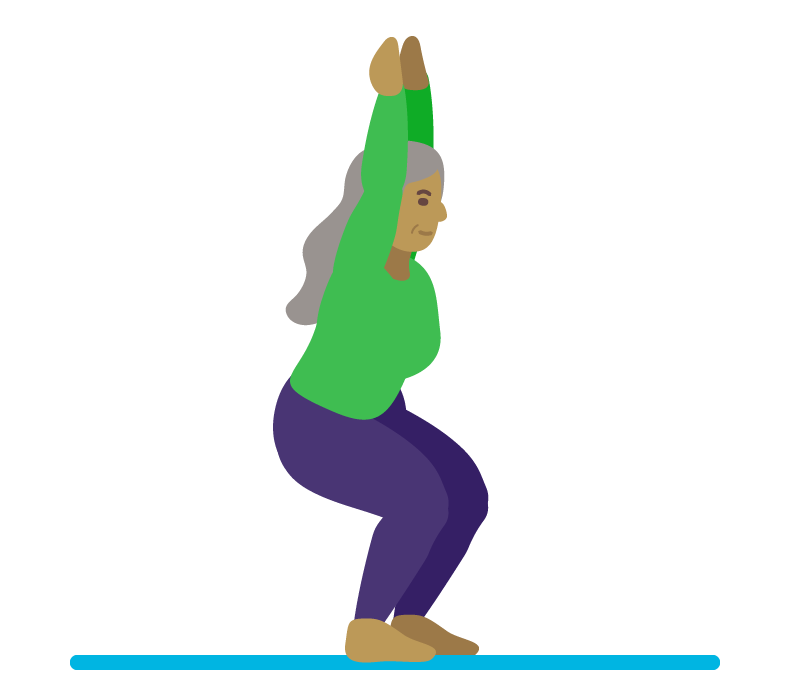
Bring your feet together and bend your knees as if sitting back into a low chair. Keep your weight in your heels—you should be able to wiggle your toes. Reach your arms overhead, arms by your ears, and draw your low ribs in to avoid overarching the lower back. This one burns. Breathe through it.
Variation: Stand with your back lightly touching a wall for support. Take your feet hip-width apart and lower into a comfortable bend. Place your hands on your thighs or extend them forward at shoulder height. Hold for five steady breaths.
Sequence—left side
From chair pose, straighten your legs and hinge forward at the hips. You can bend your legs slightly if the back of your legs feel tight. Stay here in a forward fold position for two or three breaths.
Plank
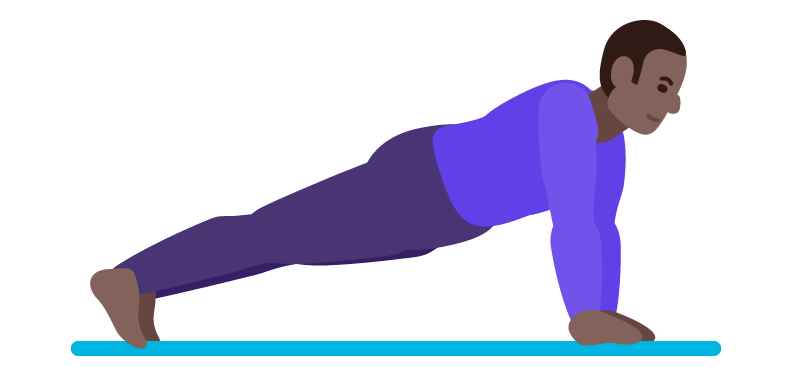
From forward fold, bring your hands to the floor and step your legs back into plank. Shift forward until your shoulders stack directly over your wrists. Your body forms one straight line from crown to heel. Keep your hips elevated and avoid tenting at the hips. Press the floor away, spread your fingers wide. Gaze slightly ahead of your hands. This is full-body tension—everything is on.
Downward-facing dog
Breathe in and make sure your fingertips are pointed at a slight angle outward. When you feel steady, exhale and flex your abs. Push your hips toward the ceiling and keep your elbows slightly bent. Lift your knees from the ground. You may keep your knees bent. There is no need to straighten your legs unless it feels comfortable. If this pose is too difficult, feel free to return to child’s pose. You can use a block or books to keep yourself steady.
Variation: In an upright position, engage your abs and lean forward slightly. Only go as far as feels steady. Outstretch your arms with your palms facing forward. For a more intense stretch, lengthen your legs in front of you with your heels touching the ground.
Using a chair as support: Stand behind a firmly rooted chair and grab the back. Inhale and walk back a step or two. Exhale and bend forward. Keep your abs engaged and your lower back straight.
Crescent lunge
From downward-facing dog, step your left foot forward between your hands. Stack your left knee over your left ankle. Lift your back knee off the mat, pressing through the ball of the back foot. On your inhale, sweep the arms overhead, palms facing in. Draw the front ribs down and lengthen your tailbone toward the floor—this is not a backbend, it’s a strong, tall shape. Feel the stretch open through the right hip flexor.
Variation: Lower your back knee to the mat (use a folded blanket for padding if needed). Place both hands on your front thigh for support. You can keep the arms here or float them up when you feel stable. Focus on the sensation across the front of the back hip—that’s where the work is.
Warrior 2
From crescent lunge, open your body to the right. Plant your back foot flat, toes pointing toward the right edge of your mat. Angle your back foot to about 45 degrees, or find a comfortable angle. Bend into your front leg so that your knee is in line with your ankle or a little behind it. Find a position that feels right. When you are ready, engage your core so that your torso is upright. Extend your left arm forward and your right arm back. Relax your shoulders and breathe here for a few rounds of breath. On your last exhale, step the back foot forward to meet the front. You may hold onto the wall or a nearby table to steady yourself while you do this.
Variation: Come to the edge of your chair and place the soles of your feet on the ground. While seated, turn to the right and point your right knee toward the right side of the room. The soles of both feet should still be on the ground. Engage your core and extend your left leg in the opposite direction. Reach your left arm forward and your right arm back. Stay here for a few rounds of breath. When you are ready, bring your legs back together in front of you. You may grab the seat of your chair to steady yourself. Triangle pose
Straighten your left leg. Reach your left arm long toward the front of your mat, then hinge at the hip—not the waist—and lower your hand to your shin, a block or the floor. Extend your right arm straight up toward the ceiling. Turn your chest open to the right. The temptation is to collapse forward—instead, think about stacking your top shoulder directly above the bottom one.
Variation: Rest your left hand on your thigh rather than reaching toward the floor. Keep a soft bend in the front knee if your hamstrings are tight. The rotation in the chest matters more than how low the hand goes.
Chair pose
Bring your feet together and bend your knees as if sitting back into a low chair. Keep your weight in your heels—you should be able to wiggle your toes. Reach your arms overhead, biceps by your ears, and draw your low ribs in to avoid overarching the lower back. This one burns. Breathe through it.
Variation: Stand with your back lightly touching a wall for support. Take your feet hip-width apart and lower into a comfortable bend—even 20 or 30 degrees is productive. Place your hands on your thighs or extend them forward at shoulder height. Hold for five steady breaths.
Core
Bridge pose
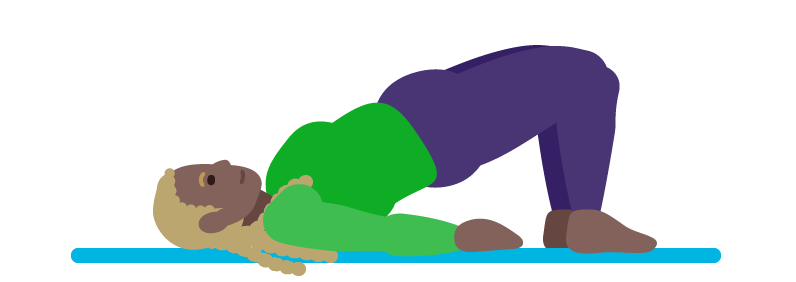
Come to lie on your back. Plant your feet flat on the mat, hip-width apart, close enough that your fingertips can graze your heels. Press down through all four corners of both feet and lift your hips toward the ceiling. Squeeze your glutes at the top. You can clasp your hands beneath you and roll the shoulders under to open the chest further. Keep your chin away from your chest.
Variation: Lift only as far as feels comfortable—even a small lift engages the glutes and opens the hip flexors. Alternatively, place a yoga block under your sacrum (the flat triangular bone at the base of your spine) and let the block do the lifting while you simply relax. This becomes a passive, restorative shape.
Supine twist
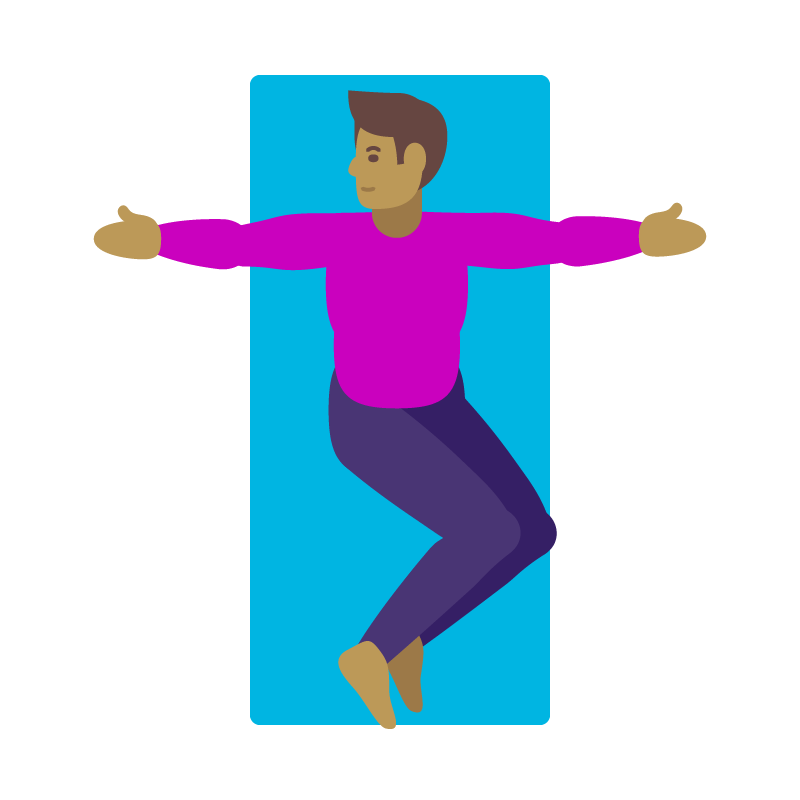
Draw both knees into your chest and give them a gentle hug. Let your arms open out to a T-shape. On an exhale, drop both knees to the right, stacking them. Turn your head to the left if that feels OK on your neck. With each inhale, get a little longer through the spine. With each exhale, let the knees sink a little heavier toward the floor. After three breaths, use your core—not momentum—to bring the knees back through center, then repeat on the left.
Variation: Keep your bottom leg extended on the mat and bend only the top knee, guiding it across the body with your opposite hand. This reduces the range of rotation and is gentler on the lower back and hips.
Savasana
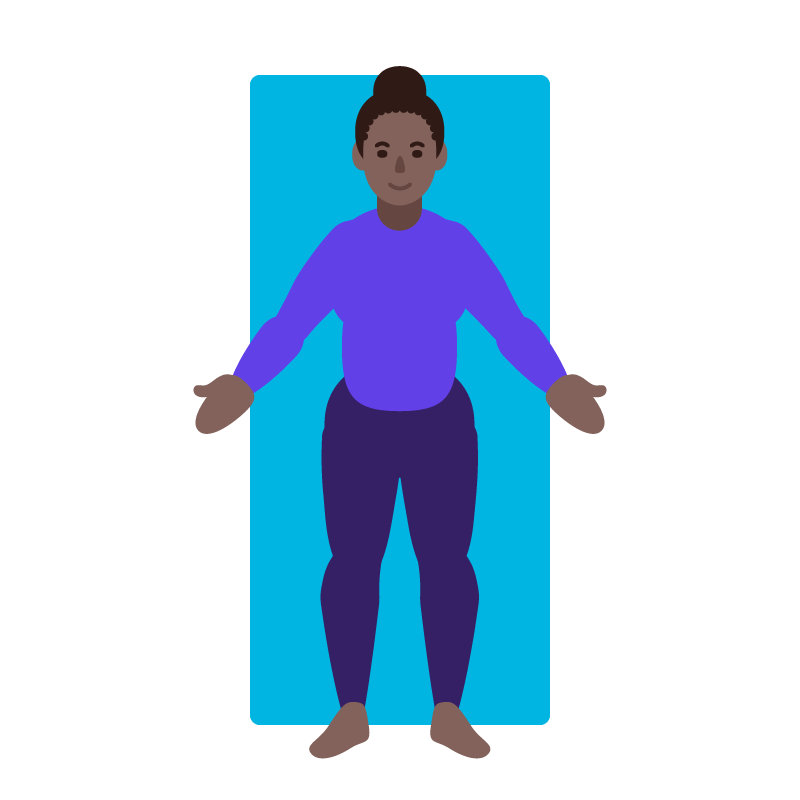
When you’re done, roll all the way onto your back, legs stretched straight out on the floor in front of you. Let your feet fall out to the sides and your arms rest next to you. Take some deep breaths and feel the effects of your stretches.
Variation: If lying flat is uncomfortable for your lower back, place a bolster or rolled blanket under your knees. Alternatively, remain seated in your chair with your feet flat, hands resting open in your lap, and eyes closed. Rest is rest regardless of the shape it takes.
Was this article helpful?
Sign up to unlock your health, your way at no cost to you.
This content is not intended to be a substitute for professional medical advice, diagnosis or treatment. Always seek the advice of your physician or other qualified health provider with any questions you may have regarding a medical condition.
You may not be eligible for all services. Log in to view the benefits included in your plan.