
Quick-start checking guide
Learn how fasting and paired checks can optimize diabetes management
Checking your blood sugar often is the best way to know how well you’re managing your diabetes. It allows you to see what’s working in real time and when changes are needed. The timing of your blood sugar checks can tell you how different things like food, exercise, and sleep impact your readings. Here are some common blood sugar checking strategies and how they can help.
Do Fasting Checks In the Morning
A fasting check is done first thing in the morning and is a measure of your blood sugar without food, water, or activity. This baseline number helps you and your doctor understand how your diabetes management plan is working.
This is helpful for those who are:
- Not yet checking daily, but want to learn more about how their diabetes management plan is working.
- Checking daily, but at random times.
GOAL
Check fasting blood sugar at least five times this week and tag “Before Breakfast” on your Teladoc Health meter.
Recommended target range: 80-130 mg/dL
Do Paired Checks Around Meals
Paired checking means checking your blood sugar before and then again 1-2 hours after a meal. Paired checking shows you how different factors like food choices, portion sizes, and meds impact blood sugar levels
This is helpful for those who are:
- Want to learn more about the relationship between food choices and blood sugar.
- Count carbs to dose insulin.
- Are newly diagnosed.
GOAL
Check before and 1-2 hours after one meal a day, or more than one meal a day, for at least 5 days this week.
Recommended target range:
Before meals: 80-130 mg/dL
After meals: 80-180 mg/dL
Log your meals in the Teladoc Health app to see the relationship between your blood sugar and your meals. Tag “Before and after breakfast,” “Before and after lunch,” or “Before and after dinner” on your Teladoc Health meter.
Other times when it is helpful to check your blood sugar are:
Individual blood sugar targets vary by person. Talk to your doctor or schedule a session with a Teladoc Health coach about the checking pattern that makes the most sense for you.
Step 2: Understand Your Readings


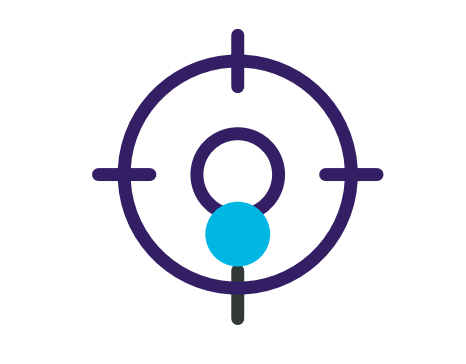
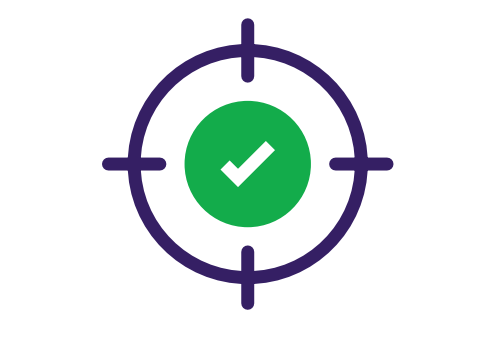
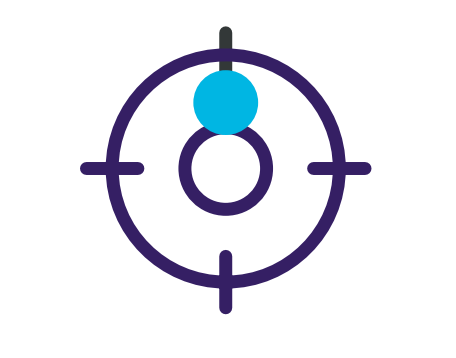


Step 3: Troubleshoot High and Low Readings
When your blood sugar is too high or too low, sometimes it takes some detective work to figure out the cause. But once you know what’s going on, it’s easier to prevent future spikes or dips.
Issue: Low Fasting and Pre-Meal Blood Sugar
CAUSE: Food
Solutions:
- Eat balanced meals.
- Avoid skipping meals.
- Have a balanced snack as needed.
- Adjust portion sizes as needed.
CAUSE: Alcohol
Solutions:
- Limit to one drink per day for women and two for men.
- Don’t replace food with alcohol.
- Eat normally while drinking.
- Check blood sugar more often, especially before bed.
- If you’re trending down or less than 70 mg/dL, have a balanced snack and treat low blood sugar according to guidelines.
CAUSE: Medications
(especially insulin and sulfonylureas)
Solutions:
- Take your meds on time, as prescribed.
- Talk with your doctor if lows are frequent. Track what doses of medication you take and when you take it so you can share this information with your doctor.
CAUSE: Activity
Solutions:
- Check your blood sugar before, during, and after exercise.
- If it is below 90 mg/dL before exercise or bed, have a balanced snack to avoid going too low later on.
- After exercise, have a meal or balanced snack to refuel your body.
Issue: High Fasting and Pre-Meal Blood Sugar
CAUSE: Food
Solutions:
- Eat balanced meals.
- Experiment with different types of food.
- Lower carb intake and decrease portion sizes as needed.
CAUSE: Medication
Solutions:
- Take meds at the correct time.
- Take meds even when blood sugar is in target range.
- Ask your doctor if the dose or timing of your medication may need adjusting.
- If you don’t take meds, ask the doctor if they might help.
- Never stop or adjust meds without talking to your doctor first.
Issue: High Fasting and Post-Meal Blood Sugar
CAUSE: Food
Solutions:
- Eat balanced meals.
- Try different food choices.
- Decrease portion sizes as needed
CAUSE: Medication
Solutions:
- Take diabetes meds regularly, on time, and as prescribed.
- Take meds on time even when blood sugar is in range.
Some other factors that can cause high and low blood sugar levels are stress, non-diabetes medications like cold medicine and steroids, and hormones released in your body when you’re sleeping.
Teladoc Health coaches can help you troubleshoot the reasons your blood sugar may be fluctuating. Message a coach through the Teladoc Health app or schedule a session.
Was this article helpful?
In this article:
Sign up to unlock your health, your way at no cost to you.
This content is not intended to be a substitute for professional medical advice, diagnosis or treatment. Always seek the advice of your physician or other qualified health provider with any questions you may have regarding a medical condition.
You may not be eligible for all services. Log in to view the benefits included in your plan.