
Yes, you can eat red meat as part of a healthy diet—here's how
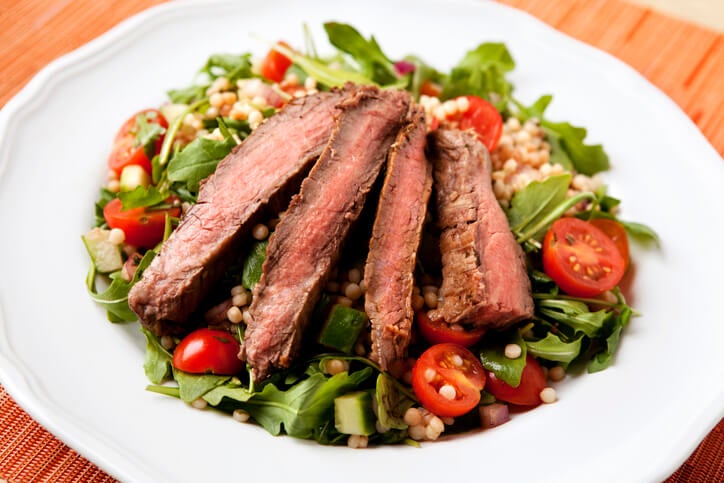
Nutrition advice around red meat can feel confusing. Some headlines warn of its dangers. Others suggest people eat more of it. The truth is that for most, red meat can have a place on the table.
What is red meat?
Red meat includes beef, pork, lamb, veal and game meats such as venison. Nutrition-wise, there are two distinctions:
- How lean it is. This may be determined by the cut of meat or by percent fat in ground meat.
- Whether it’s unprocessed or processed. Processed meats may be smoked, cured, salted or otherwise preserved. Examples include bacon, sausage, hot dogs and deli meats.
What does the research say?
The findings on red meat aren’t black and white. Experts generally agree that overall eating patterns matter more than any one food. Diets linked with better health tend to include fruits, vegetables, whole grains and a mix of protein sources. Red meat may play a supporting role rather than being the focus of meals.
That said, research has raised concerns about frequent or high intake of red meat. This is especially true of processed varieties. Eating it often has been associated with increased risk of heart disease, type 2 diabetes and certain cancers.
At the same time, studies don’t suggest that red meat needs to be avoided for most people. Eating smaller portions as part of a balanced diet may have a lower risk. This is especially true when paired with plenty of plant foods and prepared in healthier ways.
Frequency and type matter
Not all red meat affects health in the same way. Processed meats are linked with greater health risks compared to unprocessed red meat. That’s why many health groups suggest limiting them as much as possible.
How often red meat shows up on your plate matters too. Eating occasional moderate portions may help reduce potential risks.
Rotating protein choices throughout the week can also make a difference. Aim for variety by including poultry, fish, seafood, eggs, beans, lentils, tofu and nuts as protein sources.
Health benefits: the nutrient profile of red meat
Lean red meat is a source of high‑quality protein that helps maintain muscle and supports body functions.
It also delivers iron, zinc and B vitamins. These nutrients play key roles in energy metabolism, immune function and red blood cell production. The iron found in red meat is especially easy for the body to absorb. This can be helpful for people with higher iron needs like women of reproductive age and older adults.
Practical tips for including red meat in a healthy diet
If you enjoy red meat, small choices can make a meaningful difference:
Choose leaner cuts. Look for cuts labeled “loin” or “round.” Or opt for lean ground beef (look for at least 90% lean). Trimming visible fat before cooking can help reduce saturated fat.
Watch portion sizes. You don’t need a large steak to feel satisfied. Stick to a 4 oz. serving paired with vegetables and whole grains.
Mix up your proteins. Aim to vary protein sources throughout the week by including fish, poultry, eggs and plant‑based options.
Stretch red meat with plants. Use smaller amounts of meat. Mix it with beans, lentils or vegetables. Add kidney beans to chili, mash pinto beans into taco beef, or mix chopped mushrooms into meatballs.
Focus on how it’s made. Grilling, roasting or pan-frying with minimal added fat can support a more balanced meal.
Take‑home message: all foods fit
No single food determines your health. It’s the overall pattern that counts. Unprocessed red meat can be part of a healthy diet. Eat a variety of nutritious foods. Choose lean options and smaller portions. If you include red meat, enjoy it as one of many protein sources in your balanced diet.
Sources
- Giromini C, Givens DI. Benefits and risks associated with meat consumption during key life processes and in relation to the risk of chronic diseases. Foods. 2022;11(14):2063. doi:10.3390/foods11142063
- Li C, Bishop TRP, Imamura F, et al. Meat consumption and incident type 2 diabetes: an individual-participant federated meta-analysis of 1·97 million adults with 100 000 incident cases from 31 cohorts in 20 countries. The Lancet Diabetes & Endocrinology. 2024;12(9):619-630. doi:10.1016/S2213-8587(24)00179-7
- Shi W, Huang X, Schooling CM, Zhao JV. Red meat consumption, cardiovascular diseases, and diabetes: A systematic review and meta analysis. European Heart Journal. 2023; (44): 2626-2635.
- Zhang H, Gan M, Wu Q, et al. Red meat vs. white meat: A comparative analysis of histological characteristics, nutritional profiles, and health implications. Food Chemistry: X. 2025;31:103211. doi:10.1016/j.fochx.2025.103211
- World Health Organization. Cancer: Carcinogenicity of the consumption of red meat and processed meat. Accessed May 5, 2026.
Was this article helpful?
Sign up to unlock your health, your way at no cost to you.
This content is not intended to be a substitute for professional medical advice, diagnosis or treatment. Always seek the advice of your physician or other qualified health provider with any questions you may have regarding a medical condition.
You may not be eligible for all services. Log in to view the benefits included in your plan.