
Signs that you may have neuropathy and how to manage it
If you have diabetes, your blood sugar may run high. Over time, this can lead to nerve damage, or neuropathy. Having diabetes for a longer period of time (or as you age) can also lead to nerve damage.
How do you know if you have neuropathy? The condition can damage nerves throughout your body, so there are many symptoms to be aware of. Depending on where the nerve damage occurs, some signs that you may have neuropathy include:
Legs, feet, arms or hands
- Burning, tingling, numbness or pain
- Swelling (feet)
- Sores or infections that take a long time to heal. This is a common issue that typically affects your feet.
- Trouble walking or loss of balance
- Trouble sensing temperatures in your hands and feet
Your gastrointestinal (GI) tract
- Bloating
- Constipation
- Nausea and vomiting
- Belly pain
- Diarrhea
Reproductive organs
- Trouble urinating. You may be unaware that your bladder is full or have trouble fully emptying.
- Erection issues (men)
- Vaginal dryness (women)
Overall body
- Low blood pressure
- Dizziness or fainting
- Trouble knowing when your blood sugar is low
- Heavy sweating at night or always feeling cold
To diagnose neuropathy, your doctor will give you a physical exam. They may also run some tests. This depends on where it’s believed the neuropathy is occuring.
Managing Your Neuropathy
One of the most important things you can do, no matter where you’re experiencing neuropathy, is to get control over your blood sugar. Keeping your blood sugar in check can help limit the damage that is done. Here are some other ways to manage neuropathy, specific to where it’s occurring.
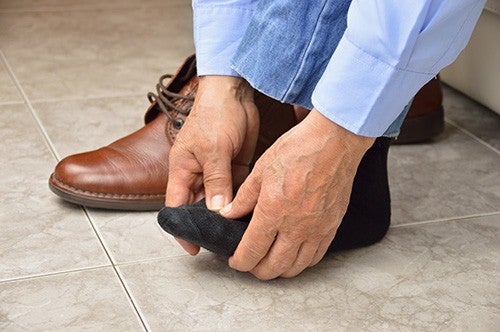
- Feet: Wear socks and shoes at all times to prevent getting a cut or some other injury. Check your feet every day for any cuts or ingrown toenails. Talk with your doctor right away if you see any changes in your feet. Leaving it untreated can lead to a major infection or even amputation.
- GI tract: If you’re having any GI issues, talk with your doctor. Some problems may be treated with medication.
- Reproductive organs: Depending on the issue, there are meds, creams and devices that may be able to help. Talk with your doctor if this is a concern for you.
- Blood pressure: Your doctor may prescribe medications for your blood pressure. Compression socks may be able to help as well.
- Pain: If you are having pain, talk with your doctor. There may be medicines that can help.
Was this article helpful?
Sign up to unlock your health, your way at no cost to you.
This content is not intended to be a substitute for professional medical advice, diagnosis or treatment. Always seek the advice of your physician or other qualified health provider with any questions you may have regarding a medical condition.
You may not be eligible for all services. Log in to view the benefits included in your plan.