
Your guide to diabetes (short version)
It all starts with blood sugar
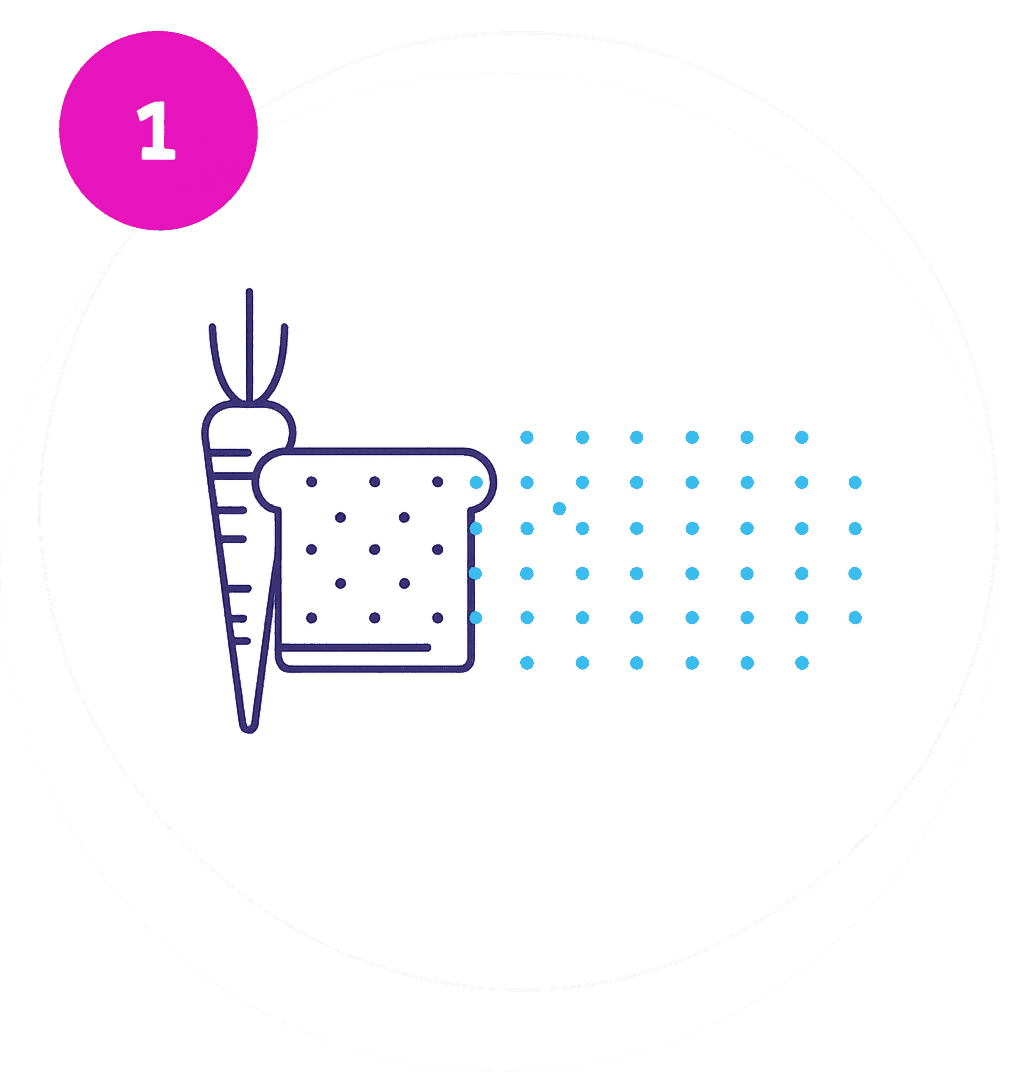
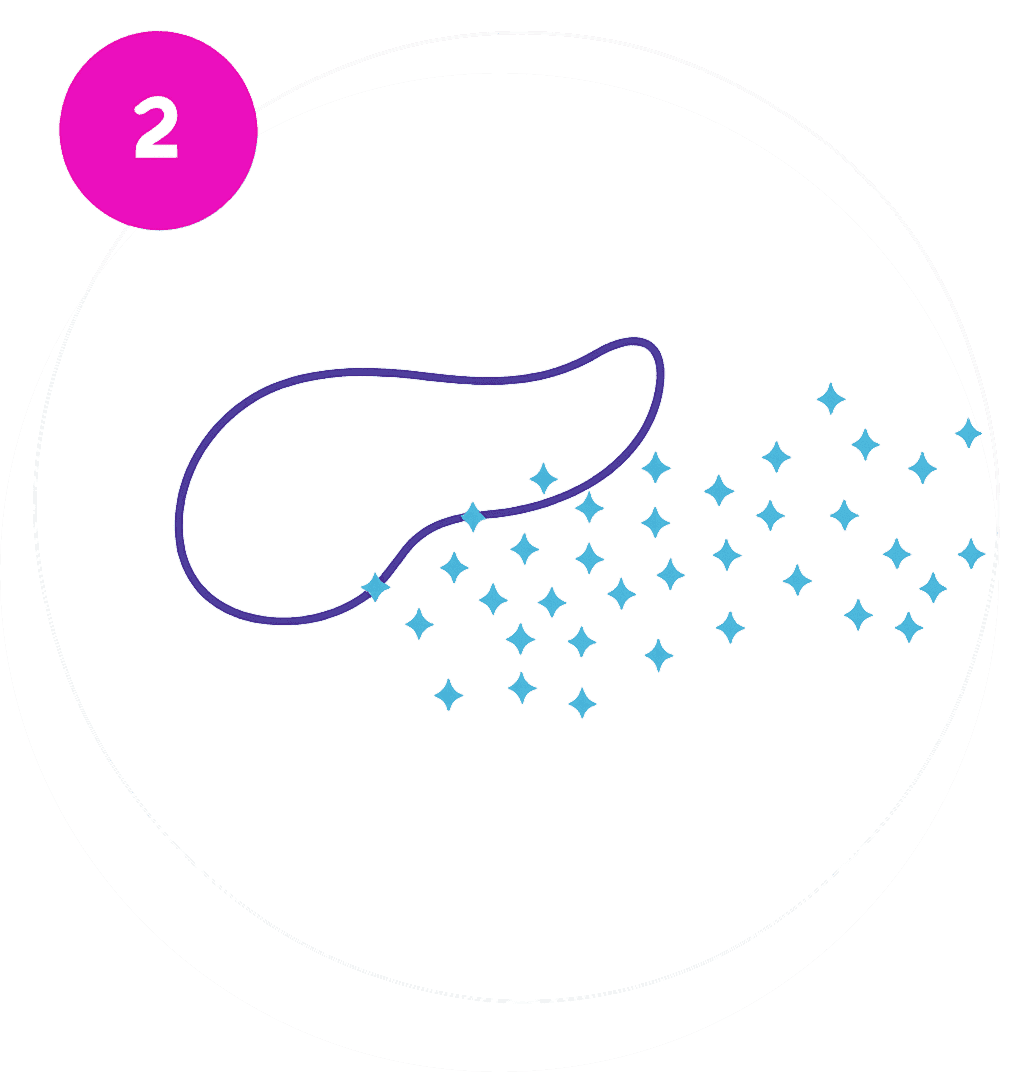
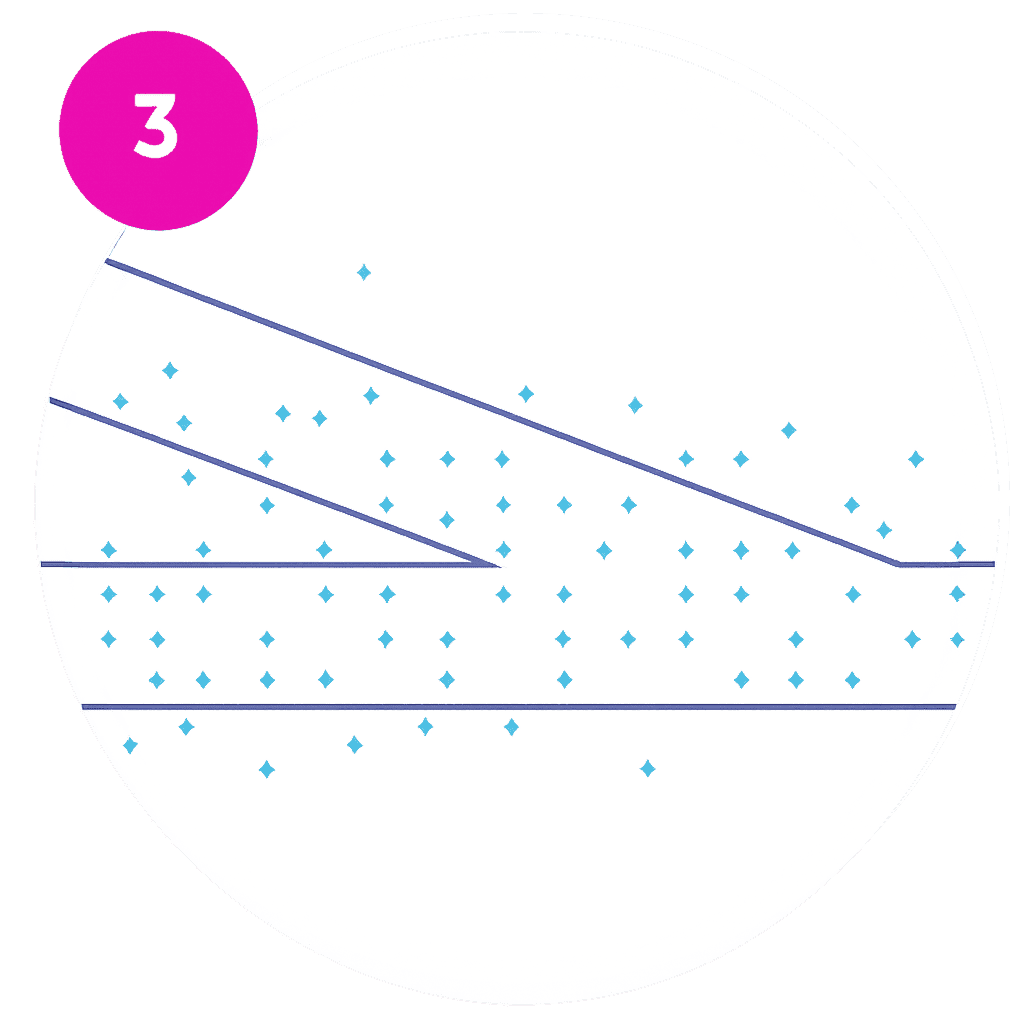
Your body gets sugar, also known as glucose, from the food you eat — specifically carbohydrates (e.g. rice, bread, cereal, sweets, pasta, starchy vegetables, dairy). Blood sugar is used as a primary source of energy for your body.
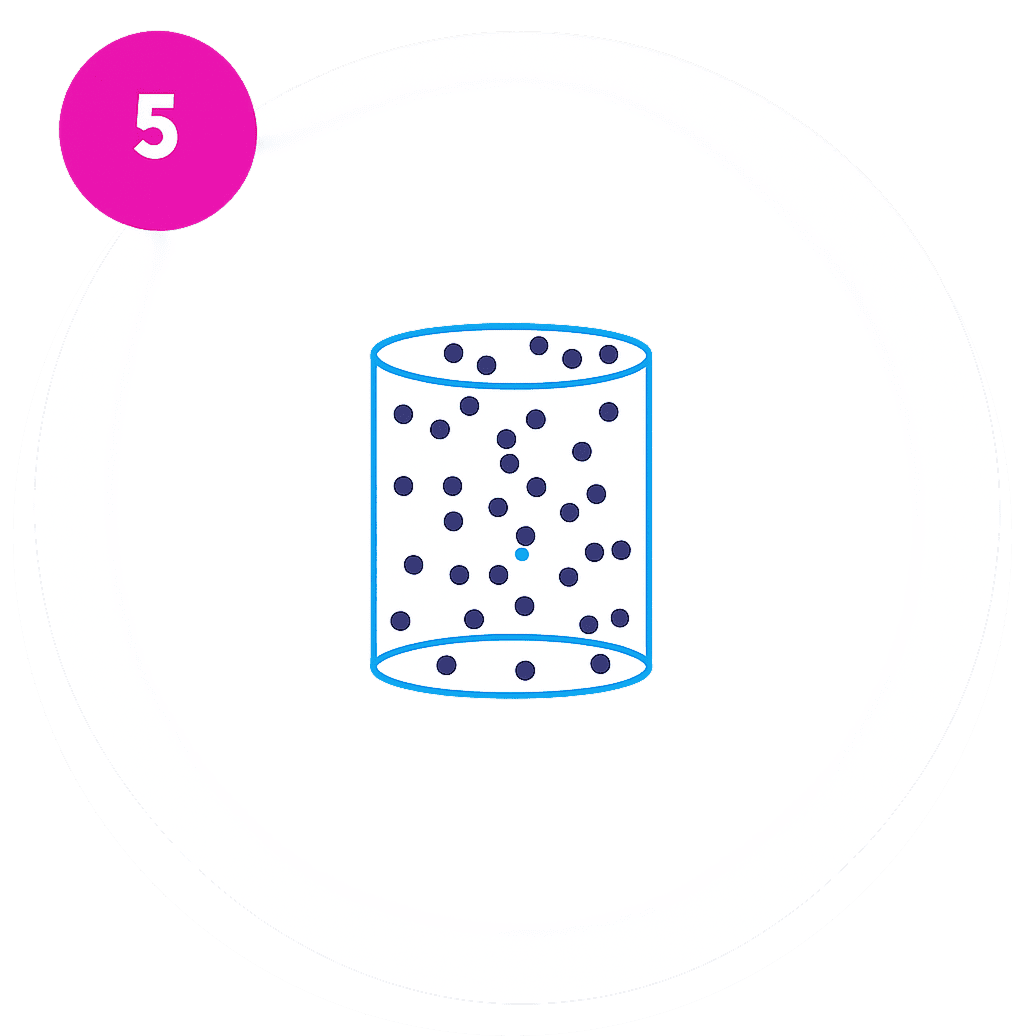
What happens when the body can’t manage blood sugar levels?
Type 2 Diabetes (most common)

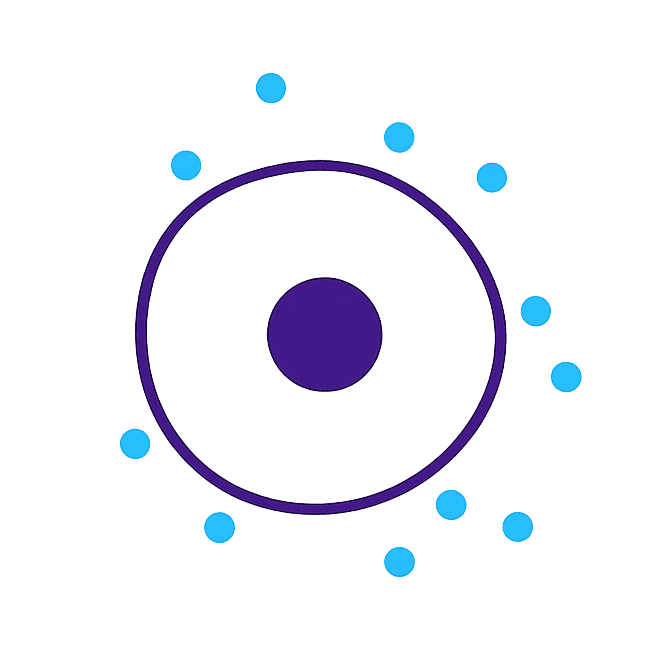
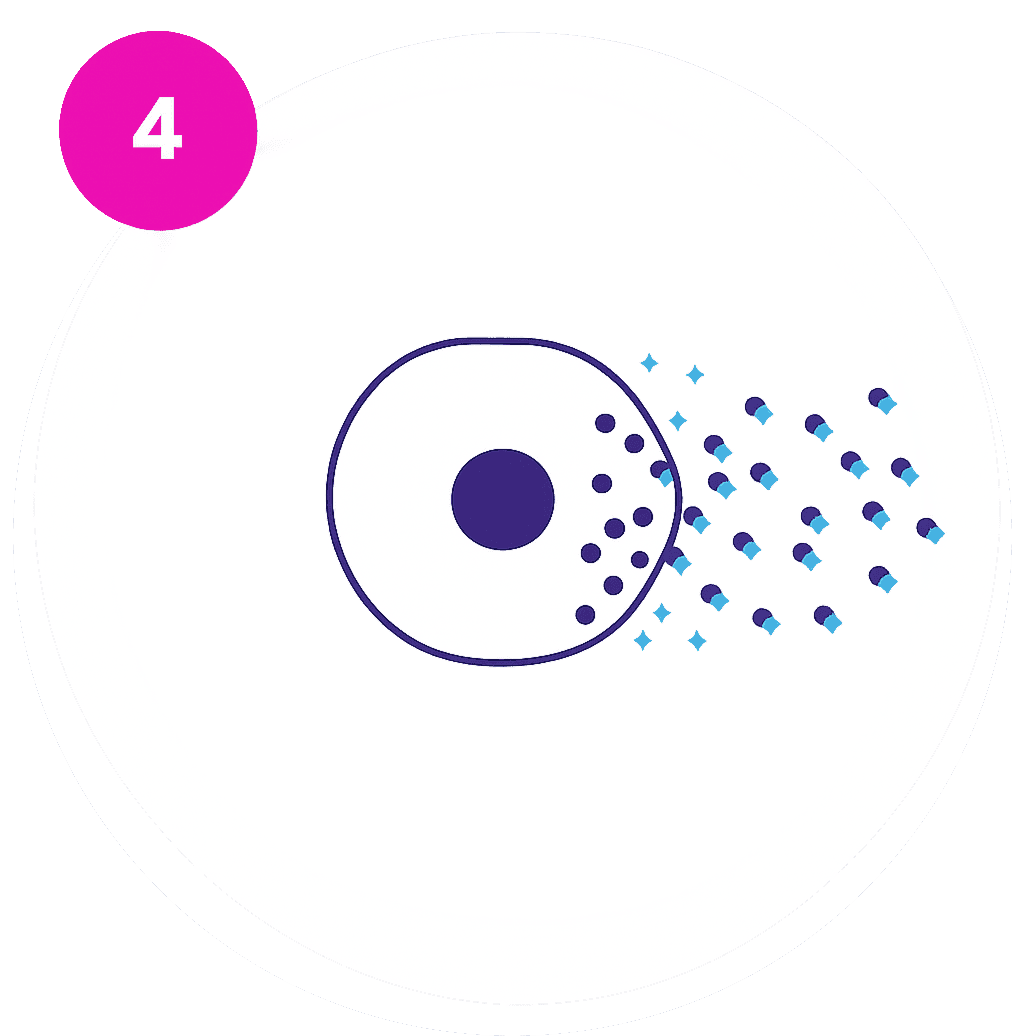
Without insulin, sugar cannot get into your cells to provide energy. As a result, sugar levels rise in your bloodstream over time.
Type 1 Diabetes (less common)

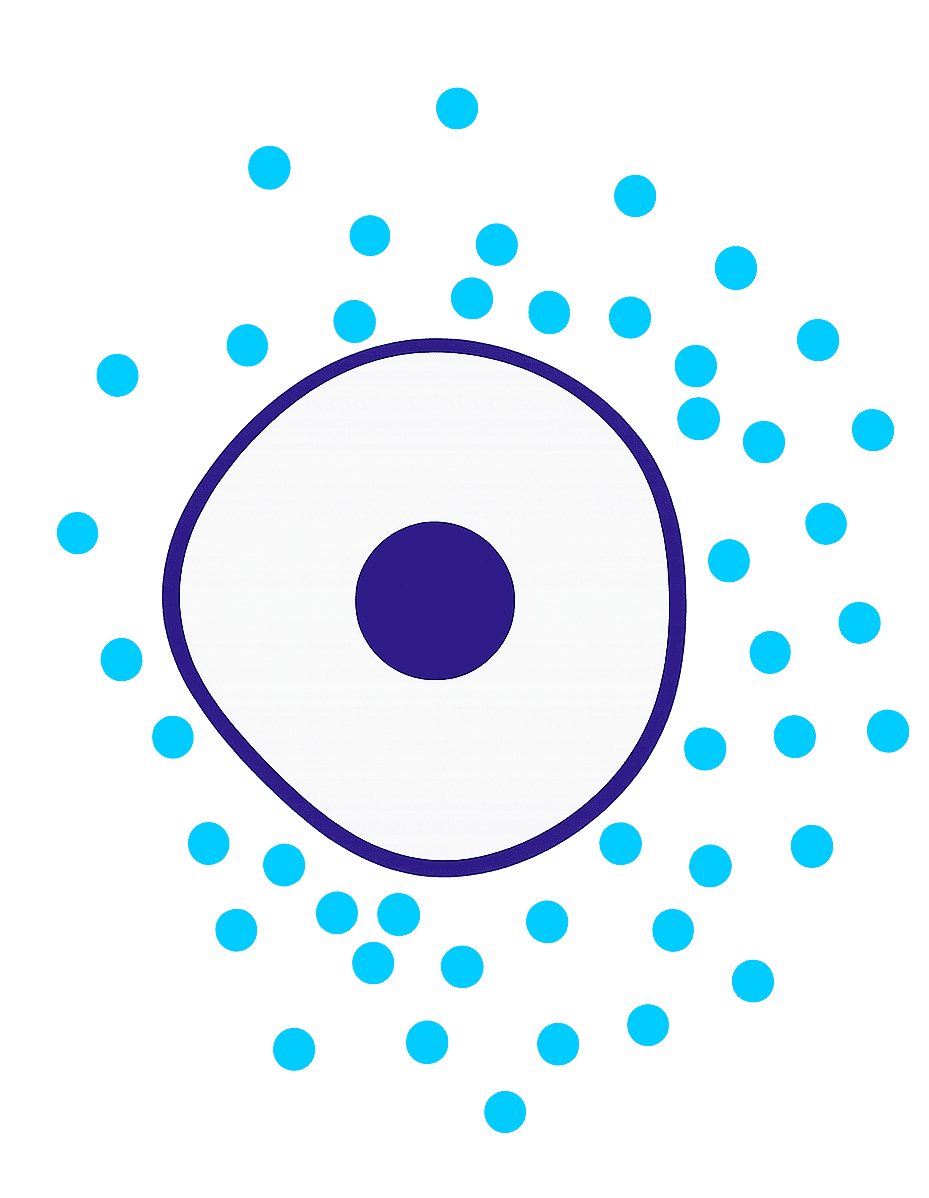
Without insulin, sugar cannot get into your cells to provide energy. As a result, sugar levels rise quickly in your bloodstream.

As always, you should speak with your doctor about your personal diabetes management goals.
Was this article helpful?
In this article:
Sign up to unlock your health, your way at no cost to you.
This content is not intended to be a substitute for professional medical advice, diagnosis or treatment. Always seek the advice of your physician or other qualified health provider with any questions you may have regarding a medical condition.
You may not be eligible for all services. Log in to view the benefits included in your plan.