Article
Health Plans,
Article,
Hypertension,
Employers
How consistent blood pressure data becomes a catalyst to better care

Only one in four adults with high blood pressure has their condition under control. For people at risk for cardiometabolic diseases, it’s an important metric to track and understand, but knowing your numbers is only the beginning.
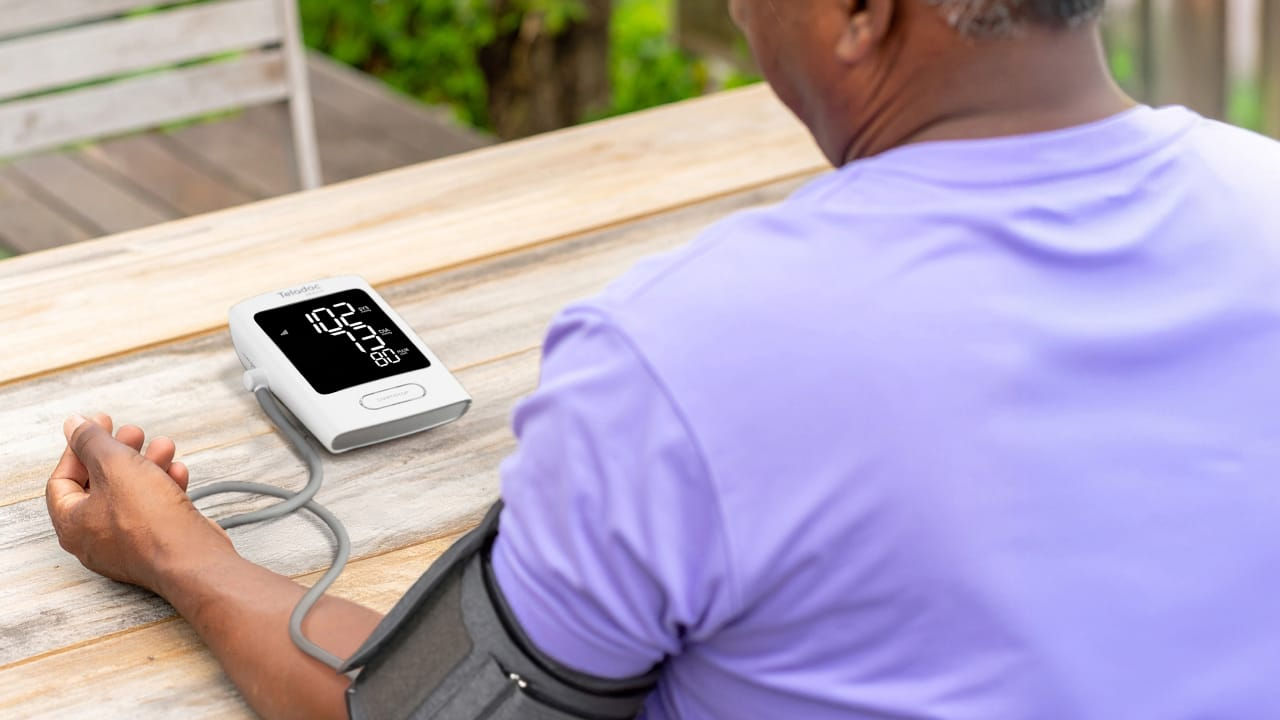
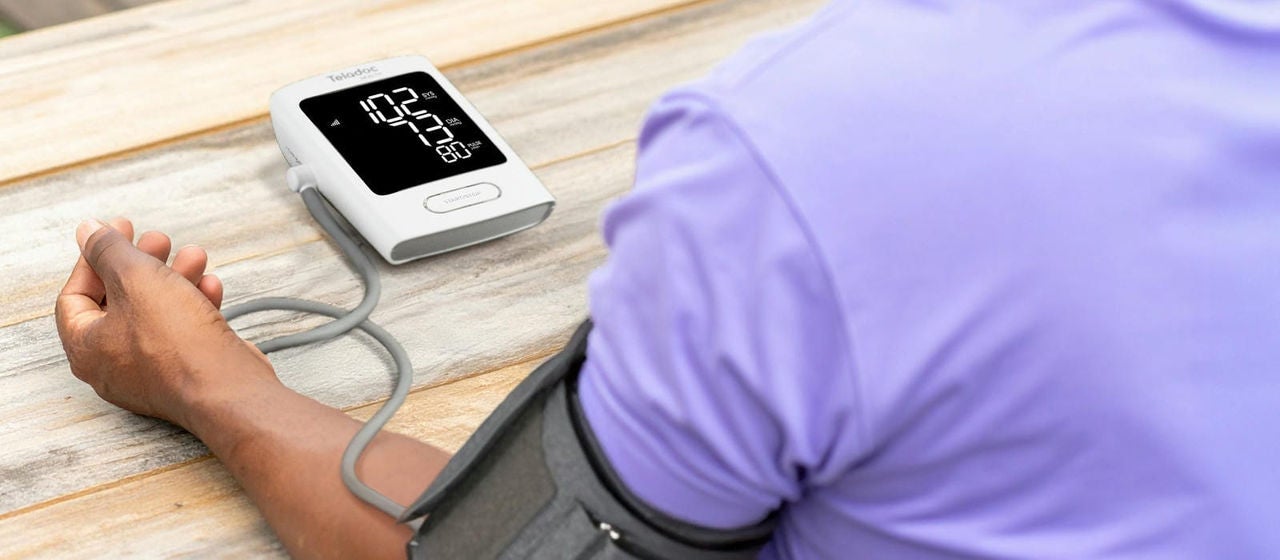
According to Teladoc Health data, 83% of our members supported for hypertension say they check their blood pressure more frequently since joining the program, and Teladoc Health helps people respond to what those measurements reveal. Connected monitoring gives Teladoc Health care teams visibility into blood pressure trends and makes it easy for patients to share data with their community provider. With ongoing support, our members turn information into action.
Chance, a special education teacher in Illinois, hadn’t seen a doctor in 10 to 15 years. At a school health fair, a routine blood pressure check came back dangerously high. The nurse told him this reading was a medical emergency and put him at risk of stroke. That was the wake-up call he needed.
Chance enrolled in Teladoc Health through his employer's benefits program and began monitoring his blood pressure regularly. Because of the connected device, every time he checked his blood pressure, results were collected in his health summary report, which provides a longitudinal view of a member’s health status.
At his next appointment, his physician was able to review weeks of detailed readings instead of a single data point. That history let her quickly establish his baseline, spot anomalies and set a medication and follow-up plan, the kind of plan that would otherwise have taken multiple visits to piece together.
Jennifer joined Teladoc Health through her employer. She worked with an expert coach, who supported her through a period of depression and low motivation, encouraging her to track her meals, log her blood pressure nightly and take small, sustainable steps towards better health.
Her blood pressure readings became part of her ongoing conversations with both her expert coach and physician. With her physician, the data enabled her doctor to fine-tune her medication.
"The change allowed me to return to running, which I hadn't been able to do because of side effects from my old medication," she said. "That was a huge win."
Those small steps added up: "I've lost 7 pounds, lowered my blood pressure, regained my energy and—most importantly—I feel more confident and prouder of myself for caring for my health."
Tim signed up through his employer specifically to manage his blood pressure, but Teladoc Health’s integrated approach gave him more than he expected. He had access to support for weight management and a mental health coach as well.
"It's been really helpful," he said. "The stress management techniques have made a big difference."
Tim previously had no visibility into his health metrics between appointments. Sharing his data let his physician track his progress closely. Over the course of a year, he lost 10 pounds and reduced his blood pressure.
"My blood pressure is lower now, though it's hard to say whether that's due to stress management, medication changes or both," he said. "Likely a combination."
Each member started in the same place: managing a serious, symptomless condition without ongoing support between doctor visits. Daily blood pressure readings gave their care teams and providers a continuous, accurate picture of their health.
The results speak for themselves: earlier detection of dangerous readings, faster and more precise medication adjustments and measurable, sustained improvements in blood pressure control.
The impact didn't stop at the management of hypertension. Each member also made progress on the conditions that so often accompany high blood pressure: stress, weight and mood.
This is the real promise of continuous, comprehensive care. By treating the person, instead of the condition, each member built healthier habits to improve their overall health.