How connected support turns advice into action
Elana, a retiree in Illinois with prediabetes, turned to Teladoc Health when she saw an opportunity to further develop the habits and knowledge that she had built on her own after noticing that her A1c kept climbing.
Once she set up an appointment with a dietitian, the pieces that she had learned on her own and habits that she had been implementing into her routine were reinforced rather than competing with what she was learning. Her dietitian’s guidance lined up with the eating approach she'd followed for years, filling gaps that neither had addressed alone, preventing a potential diabetes diagnosis. Her A1c dropped from 6.2% to 5.9% within a few months.
Kevin described his support system after enrolling in Teladoc Health as a “trifecta.” After being diagnosed with diabetes, he had a physician setting direction, a Teladoc Health expert coach translating that into daily habits and a pharmacist closing the loop when questions came up. Instead of navigating a new diagnosis alone, he was fully supported by a virtual and in-person ecosystem.
The support he received from his coach connected what his provider advised to his daily life and changed his mindset, which helped create lasting behavior change. A concept taught to him by his coach, "diet" became "lifestyle" and "cheat day" became "treat day."
He started walking after dinner for exercise and for feedback he could read the next morning. The adoption of a healthy lifestyle, such as physical activity, plays a critical role in slowing or prevent disease progression.
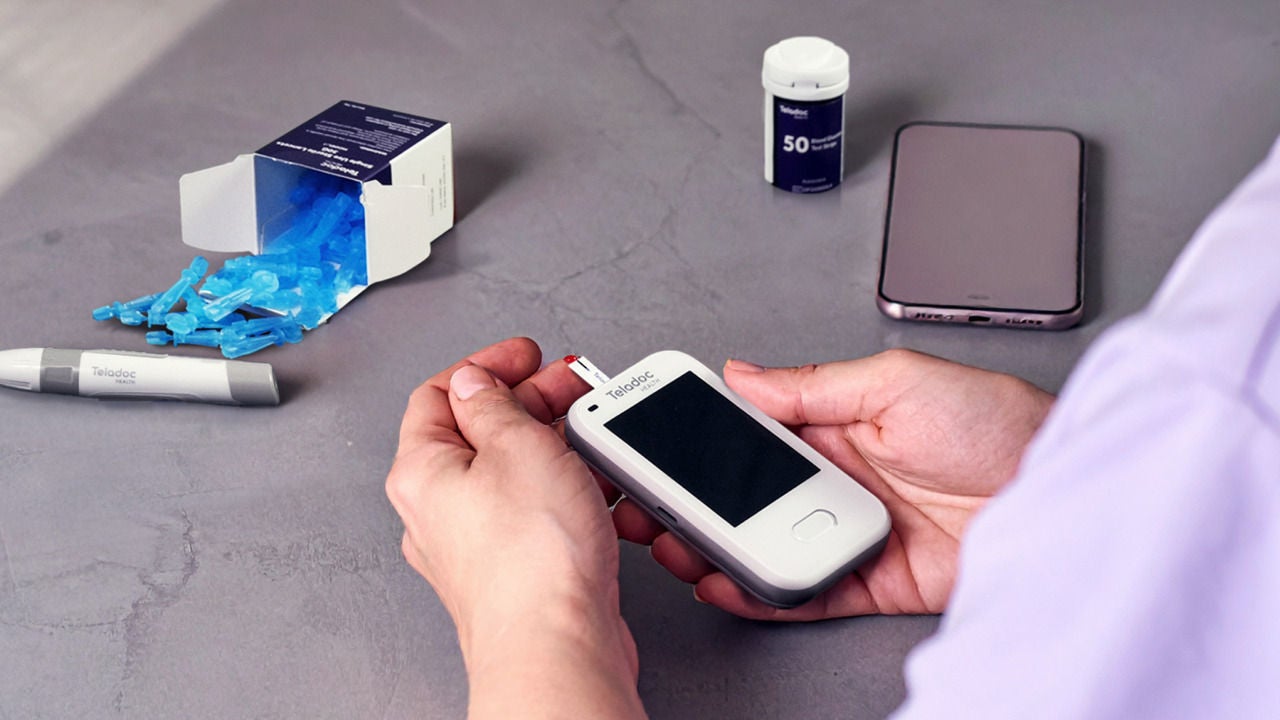
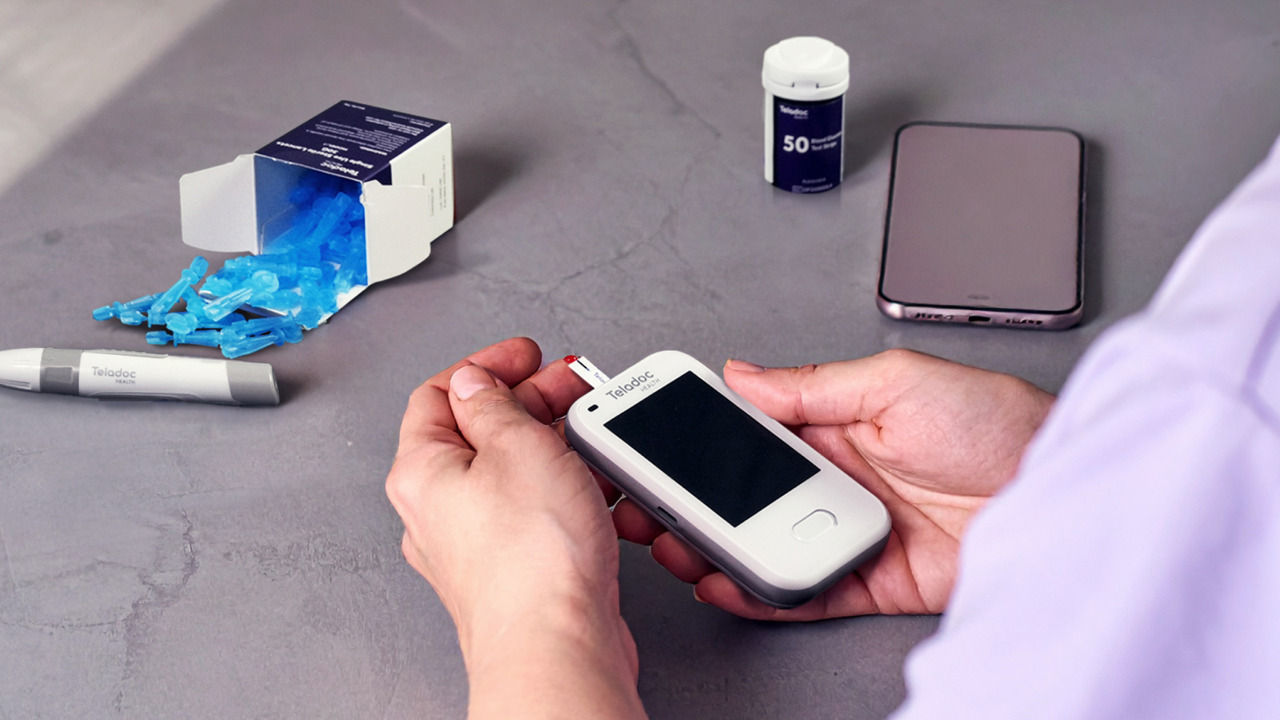
Edward, who has been living with and managing diabetes for four years, learned to understand how food affects his blood sugar, due to the data he collects daily from the glucose meter he received from Teladoc Health. "I've learned to recognize which foods or preparations cause my blood sugar to rise," he says. "When I'm doing well, I can almost predict what my blood sugar reading will be."
His A1c fell to 6.6% from being in an uncontrolled range and is trending towards a remission-level A1c.
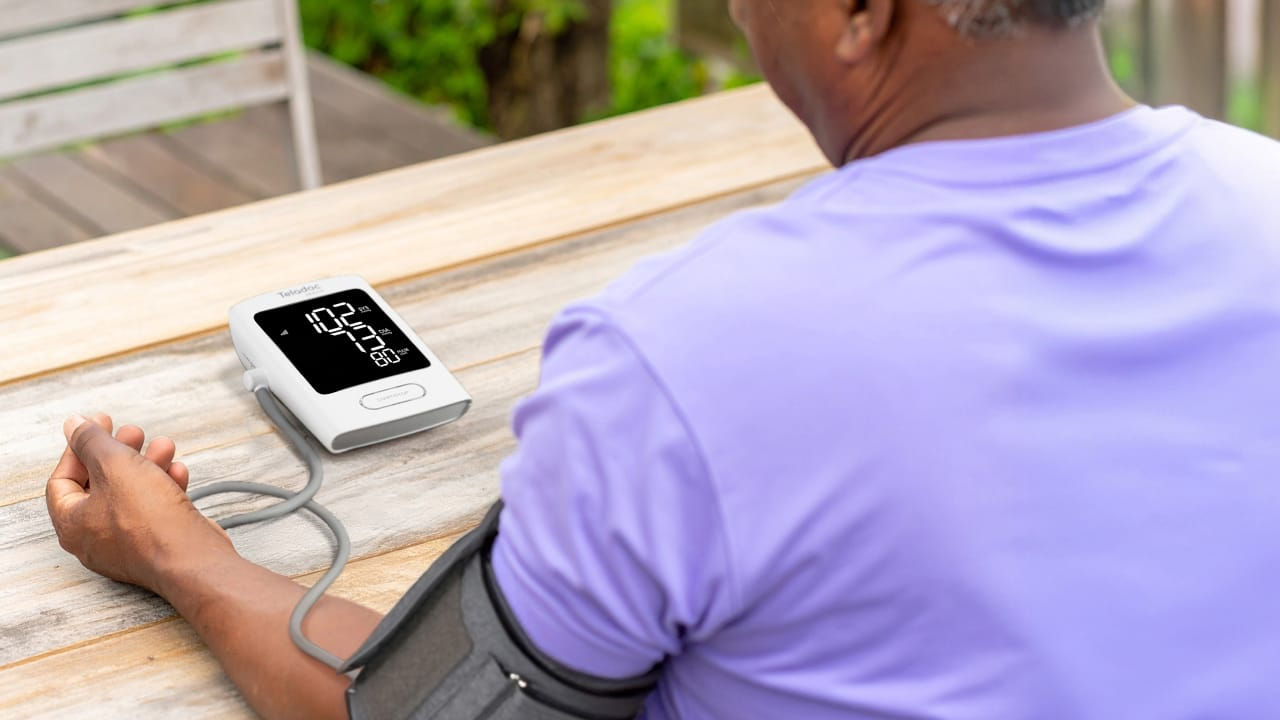
That kind of pattern recognition is exactly what access to connected devices and data collection is designed to surface earlier so that members and care teams can understand trends.