
Heart attack symptoms in women: Warning signs you shouldn't ignore
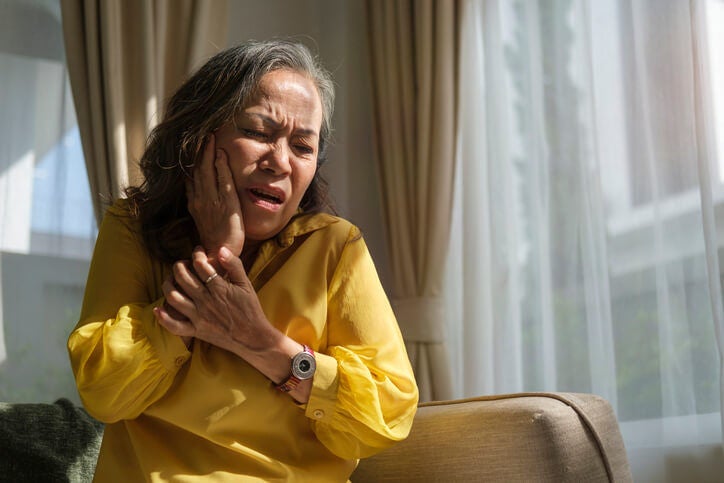
Heart disease is a leading cause of death in women in the United States. The most common heart attack symptom in both women and men is chest pain or discomfort. However, the symptoms of a heart attack aren’t aways the dramatic chest-clutching moment you see in the movies. The signs of a heart attack can be misleading, especially for women.
A heart attack can occur when blood flow to part of the heart is blocked or significantly reduced, limiting oxygen delivery to heart tissue. The arteries that send blood to the heart may become narrowed due to a slow buildup of fat, cholesterol and other substances.
Some women report experiencing multiple symptoms at the same time, beyond classic chest pain. What’s more, many women who have had heart attacks report that something felt off beforehand even if they couldn’t pinpoint why.
Because symptoms can differ, it helps to know possible warning signs. In addition to chest pain or discomfort, symptoms may include:
Chest discomfort, such as pressure, squeezing, fullness or pain. This discomfort may last for more than a few minutes, or it might go away and come back.
Pain or discomfort in the arms, back, neck, jaw, or stomach. Some people describe upper back pressure or tightness.
Shortness of breath (with or without chest discomfort)
Cold sweat
Nausea, vomiting or indigestion
Lightheadedness
Unusual or extreme fatigue
If you think you or someone else may be having a heart attack, call 911 right away. If you experience symptoms, it’s reasonable to get an urgent medical evaluation—especially if symptoms are new, severe, or worsening.
Sources
- Heart attack symptoms in women. American Heart Association. Accessed April 7, 2026.
- Symptoms of a heart attack in women. Go Red for Women/American Heart Association. Accessed April 7, 2026
Was this article helpful?
Sign up to unlock your health, your way at no cost to you.
This content is not intended to be a substitute for professional medical advice, diagnosis or treatment. Always seek the advice of your physician or other qualified health provider with any questions you may have regarding a medical condition.
You may not be eligible for all services. Log in to view the benefits included in your plan.