
The best exercises to support you through perimenopause
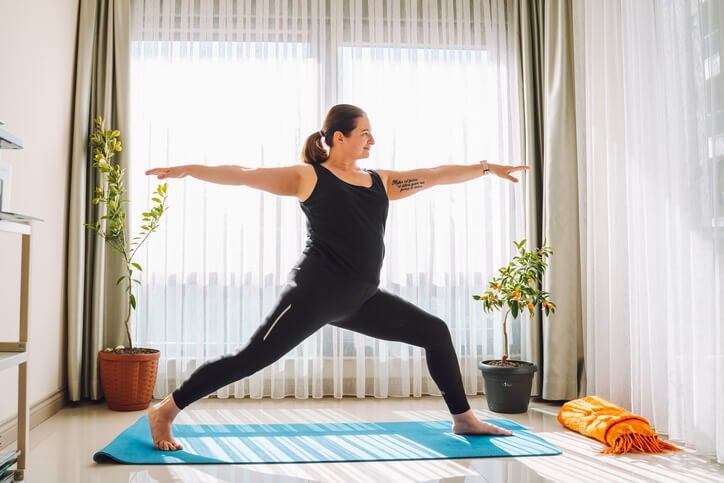
If your workouts suddenly feel harder, less effective or more exhausting than they used to, it may be due to perimenopause. Perimenopause can change how your body responds to exercise—and traditional fitness advice doesn’t always take this stage of life into account.
Perimenopause is the transition before menopause, when levels of estrogen and progesterone fluctuate and gradually decline. Cycles may become less regular, and many people experience hot flashes, disrupted sleep, mood changes, shifts in energy and changes in body composition. For most, perimenopause begins in the mid‑to‑late 40s, though timing varies.
As these changes occur, it’s common to wonder whether the workouts that once worked for you still make sense.
How exercise needs change during perimenopause
During perimenopause, exercise goals shift to support your body as it changes—and to keep it as healthy as possible now and as you age. Your goals may include:
Maintaining muscle mass and bone density
Supporting metabolic and insulin health
Protecting joints and connective tissue
Supporting mood and stress regulation
Maintaining energy and consistency
A balanced mix of strength training, cardio and restorative movement can support all of these areas.
Strength training: Supporting muscle and bone
Strength training becomes especially important during midlife. As estrogen levels change, the body becomes more likely to lose muscle mass and bone density. Resistance training helps maintain muscle mass and bone density by challenging muscles and bones to stay strong.
Strength work also supports metabolic health. Muscle plays an important role in how the body responds to insulin, helping support healthy blood sugar levels—an area of concern for many people during perimenopause.
You don’t need a gym or fancy equipment. Bodyweight exercises like squats, lunges, push‑ups, planks and wall sits are effective. If you have access to dumbbells, resistance bands or machines, they can help add variety and progression over time.
How often?
Aim for two to three strength sessions per week, with rest or lighter movement days in between to support recovery.
Low‑impact cardio: Supporting a healthy heart and joints
Hormonal changes during perimenopause can make joints and connective tissue more sensitive. Low‑impact cardio supports heart health while being easier on your joints.
Options include walking, cycling, swimming, rowing or using an elliptical machine. These activities raise your heart rate without the repetitive impact of running or jumping.
Low‑impact cardio can support:
- Joint comfort
Recovery between workouts
Stress management
Long‑term consistency
How often?
Current guidelines recommend 150 minutes of moderate-intensity activity (like brisk walking) or 75 minutes of high-intensity cardio activity a week. You can break this up however you like—for instance, about 20 minutes every day, or 60 minutes one day and 30 minutes three other days a week.
Remember, something is better than nothing. Even a 10-minute walk is a great place to start.
Yoga and Pilates: Mobility and stress support
Mind-body movement becomes especially valuable during perimenopause. Yoga and Pilates are two options that support flexibility, posture, balance, and core and pelvic floor strength.
Equally important, these practices can help calm the nervous system. Slower movement and focused breathing support relaxation, sleep quality and mood.
Gentler styles—such as restorative yoga, Hatha, yin yoga or classical Pilates—are often the most supportive, though individual preferences vary. More vigorous styles can double up as strength training workouts.
How often?
How often you incorporate mindfulness-based physical activities, like yoga or Pilates, is up to you.
If you’re making it to an in-person class, you may aim for weekly. But you might also find that learning a short at-home practice is an easy way to build these stress-relieving activities into your life.
High‑intensity exercise: Use with intention
High‑intensity exercise isn’t off‑limits during perimenopause, but many people benefit from doing it less frequently.
As hormones fluctuate, recovery can take longer and stress tolerance may change. For many, limiting high‑intensity workouts to one or two sessions per week—balanced with lower‑intensity movement—supports better long‑term results.
If you like doing HIIT workouts, notice how you feel during and after them. If you’re more fatigued than you used to be, then it might be a sign to ease up.
A final reminder
Remember, activity only works if you do it. Finding a sustainable workout plan is one of the most important things you can do for your health—now and in the future.
Exercise during perimenopause isn’t about forcing your body to behave the way it once did. It’s about supporting strength, mobility, mental health and overall well‑being in a way that fits your life today.
Was this article helpful?
Sign up to unlock your health, your way at no cost to you.
This content is not intended to be a substitute for professional medical advice, diagnosis or treatment. Always seek the advice of your physician or other qualified health provider with any questions you may have regarding a medical condition.
You may not be eligible for all services. Log in to view the benefits included in your plan.