
Your GLP-1 starter guide
Healthcare providers have been using GLP-1 drugs to treat type 2 diabetes since 2005. Providers are now prescribing GLP-1 medications to support people on their weight-loss journeys. These drugs can have life-changing benefits when used safely. We created this guide to help you learn more about what they are, how to get started and what to expect if your doctor prescribes a GLP-1 for you.

What are GLP-1 drugs?
GLP-1 is short for glucagon-like peptide-1 agonist. They’re also known as incretin mimetics or GLP-1 analogs. This class of drugs was first used to treat type 2 diabetes. Some GLP-1s are now approved for use in the treatment of obesity as well.
GLP-1 drugs include, but are not limited to:
Dulaglutide (Trulicity)
How do they work?
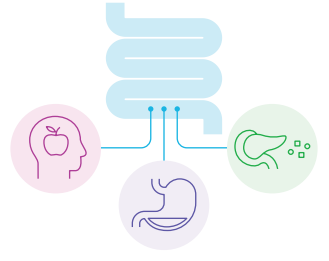
Glucagon-like peptide-1 (GLP-1) is a hormone released by the lower GI tract every time you eat. This hormone:
Impacts the parts of your brain that cause you to feel hungry or satisfied
Slows down digestion
Triggers the pancreas to release insulin and slow down the release of glucagon; this helps keep blood sugar in balance
GLP-1 drugs work by mimicking the action of the GLP-1 hormone your body produces naturally. GLP-1 drugs bind to the GLP-1 receptors in your gut and brain and act just like the hormone produced by your body. This results in decreased blood sugar spikes. Appetite is also reduced. The result: You eat less, which leads to weight loss.
Who shouldn’t take a GLP-1 drug?
GLP-1 drugs are not recommended for people with a personal or family history of medullary thyroid cancer or multiple endocrine neoplasia 2A or 2B. Since GLP-1 drugs slow gastric emptying, they shouldn’t be used in people with gastroparesis. Because it is not clear that GLP-1 drugs are safe to take during pregnancy, women should stop these medications at least 2 months before trying to become pregnant or notify their doctor immediately if they become pregnant while taking these medications.
Make sure your care provider is aware of your medical history and any other drugs you may be taking.
Heart health bonus
Research finds that GLP-1 drugs can reduce blood pressure and inflammation in the blood vessels. They even cut the risk of major cardiovascular events like stroke and heart attack in people with type 2 diabetes and people with obesity.
Considerations before starting a GLP-1 drug
Side effects and risks
Taking any drug comes with possible side effects and risks.
Possible side effects of GLP-1 drugs include:
Nausea
Vomiting
Diarrhea
Constipation
Loss of body weight, including muscle
Increases in fertility
Changes in appetite and food preferences
Changes in mood; many experience mood improvements, but some report suicidal thoughts
More rare risks include:
Low blood sugar (hypoglycemia), usually when taken with other glucose-lowering drugs
Inflammation of the pancreas (pancreatitis) that can cause intense abdominal pain and discomfort
Injection site reactions, like rash or itching
Gall bladder/biliary diseases
Anaphylaxis, which is a severe allergic reaction requiring immediate medical attention
If you experience any symptoms, talk to your doctor right away. In the event of any medical emergency, call 911.
Cost
GLP-1 drugs can be costly. We encourage you to have a good understanding of what your annual deductible requirement and out-of-pocket costs will be before moving forward with any drug.
Insurance coverage
Your insurance may or may not cover GLP-1 medications. This can depend on your diagnosis and whether the medication will be used for diabetes or weight loss. It varies by insurance provider and plan. If you want to use a GLP-1 for weight loss, it’s important to call your insurance company to find out which medications, if any, are covered without a diabetes diagnosis. If the medications are covered, be sure to ask if you are required to meet any specific criteria for coverage (e.g., past trials of non-GLP-1 medications, documented history of non-medication weight loss efforts, etc.)
Patient assistance programs (PAP)
Some drug companies offer PAP. If you meet certain qualifications, you may be able to get GLP-1s at low or no cost for a period of time. Contact the drug company of the prescribed GLP-1 medication to learn more. If you qualify, be sure to ask how long this program will cover your costs.
Self-pay for GLP-1s
Many insurance plans will no longer cover GLP-1 medications for weight loss. However, with a prescription from your provider, you have the option to self-pay through discounted manufacturer pharmacies that stock certain GLP-1s.
LillyDirect pharmacy: Zepbound injection, Foundayo tablet
NovoCare pharmacy: Wegovy injections, Wegovy tablets
How to get started on a GLP-1 drug
When can I start a GLP-1 drug?
Each GLP-1 drug is a little different. It’s important to ask your care provider or pharmacist any specific questions you may have.
Weight loss drugs are approved for use in adults with a BMI of 30 or greater, or a BMI of 27 or higher with weight-related health problems like high blood pressure or type 2 diabetes. Your care provider can help you decide if a GLP-1 or any other weight-loss drug is a good fit for you.
If you decide to move forward with a GLP-1 drug and you’re not on any other medication, you can get started at any time. If you’re already on medication for diabetes like metformin or insulin, talk to your doctor about the best time to add in a GLP-1.
*Pro tip: If your GLP-1 drug is weekly, create a consistent routine by picking and sticking to a day and time that works for you.
What’s the right dose to take?
GLP-1 medications are usually started at low doses. This helps to prevent gastrointestinal side effects like nausea and constipation. With your care provider’s supervision, you will gradually increase the dose until the most effective, well-tolerated dose is reached.
It can take anywhere from weeks to months to get to the optimal level. You may see your blood sugar improve within a few days to weeks. Weight loss will depend on changes you are also making to how you eat and how much activity you are getting; being on a GLP-1 drug may make it easier to make these changes.
How do I take a GLP-1 drug?
Some GLP-1 drugs are given by self-injection, while others are in pill form. Here are some tips on how to be successful with each type of medication:
Injections:
Follow storage instructions on the package.
Inject into the abdomen (a few inches away from the belly button), outer thighs, hips, upper buttocks, lower back or upper arm.
Wash hands before and after.
If you also use insulin, inject this drug in a different spot.
Throw the pen away in a sharps/needle box.
Oral medication (pills):
Follow instructions from your pharmacist.
May need to be taken on an empty stomach, at least 30 minutes before any food in the morning.
Do not break or crush pill.
Take according to your prescription—don’t skip a dose.
Special considerations:
Some GLP-1 drugs have specific timing needs. For instance, it’s recommended to take Rybelsus at least 30 minutes before your first meal, with no more than 4 ounces of water.
Talk to your pharmacist to learn more about the safest and most effective way to take any drug you’re on.
GLP-1 drugs may increase fertility in both men and women. Use contraception as needed.
Do Teladoc Health care providers prescribe GLP-1 drugs for weight loss?
Teladoc Health care providers can prescribe GLP-1 medications for weight loss when clinically appropriate and permitted by state regulations. They’ll evaluate your situation and decide if GLP-1 drugs are a good fit. GLP-1 drugs may not be for everyone. Some of their considerations include:
If you are eligible for Primary Care
If you are enrolled in one of our Condition Management programs and your plan includes virtual care
If you’ve tried to lose weight through lifestyle changes but have not been successful
GLP-1 medications are not available through 24/7 Care (General Medical). This is because these visits are for short-term conditions like a cold. They are not meant to treat chronic conditions or provide long-term care. Using a GLP-1 drug requires an ongoing patient-provider relationship. This must include regular follow-ups to ensure that it’s safe and effective.
Do I still need to think about diet and exercise?
Absolutely! Eating well and moving your body, along with getting high-quality sleep and managing your mental health, are important tools in managing both diabetes and weight. This is true whether you’re on a GLP-1 drug or not. People often find it easier to do these things with the support of a GLP-1. Many report that being on GLP-1 drugs reduces their level of “food noise.” With fewer intrusive thoughts about food, it’s easier to make balanced choices.
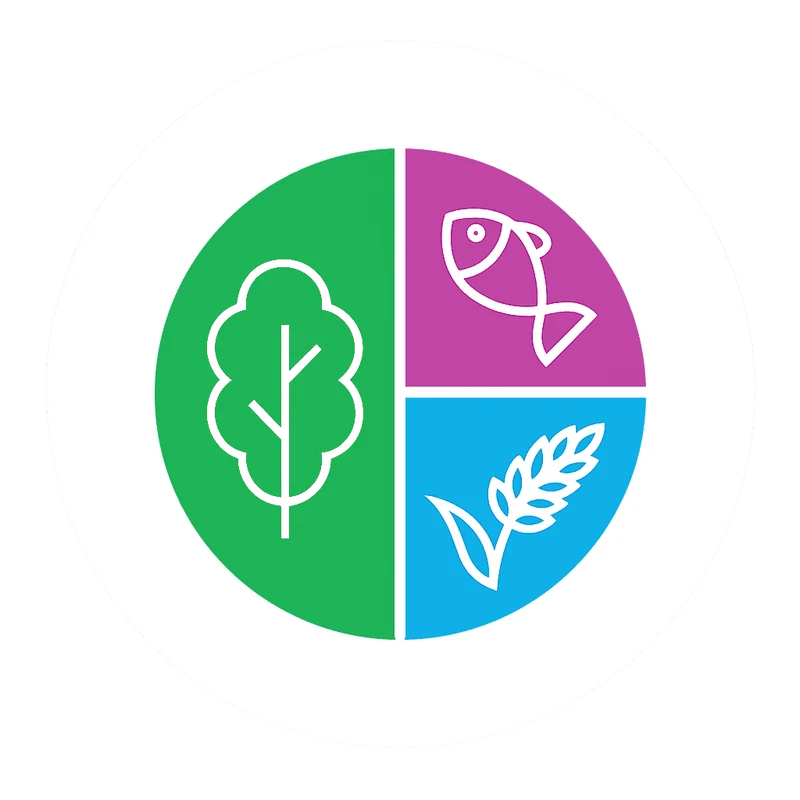
The Balanced Plate is a good framework to use. A balanced plate has 50% non-starchy veggies, 25% lean proteins and 25% carbs.
Keeping your body active is another important tool for staying well. Any form of movement that you enjoy and can fit into your day is a good choice.
Your care provider can answer any questions you have about GLP-1 drugs. They can learn more about your situation and help determine if they’re right for you.
Members in our Condition Management program can connect with an expert coach. They offer a personalized approach to building healthy habits. Working with a coach can enhance any weight loss or diabetes management journey.
Was this article helpful?
In this article:
Sign up to unlock your health, your way at no cost to you.
This content is not intended to be a substitute for professional medical advice, diagnosis or treatment. Always seek the advice of your physician or other qualified health provider with any questions you may have regarding a medical condition.
You may not be eligible for all services. Log in to view the benefits included in your plan.