
Your guide to diabetes
It all starts with blood sugar
Your body gets sugar, also known as glucose, from the food you eat — specifically carbohydrates (e.g. rice, bread, cereal, sweets, pasta, starchy vegetables, dairy). Blood sugar is used as a primary source of energy for your body.
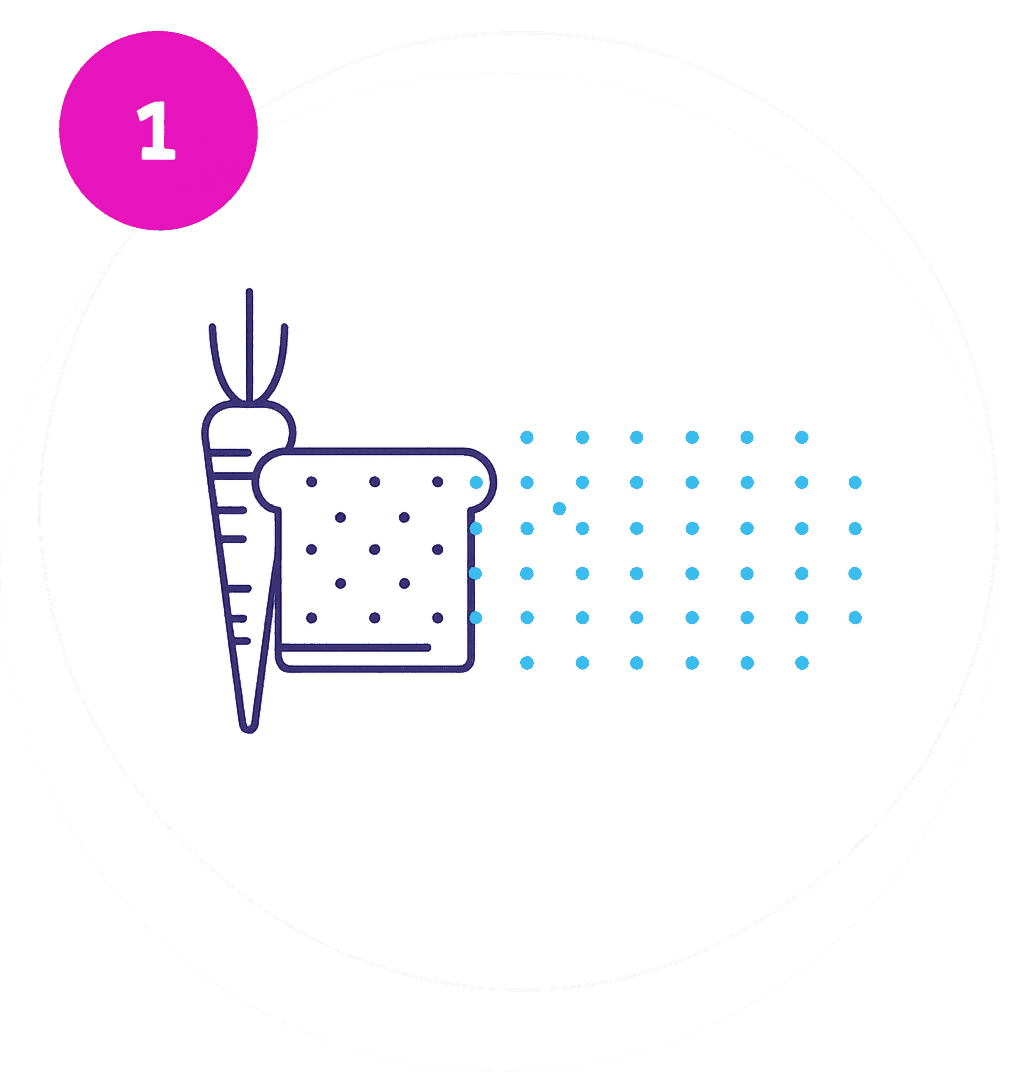
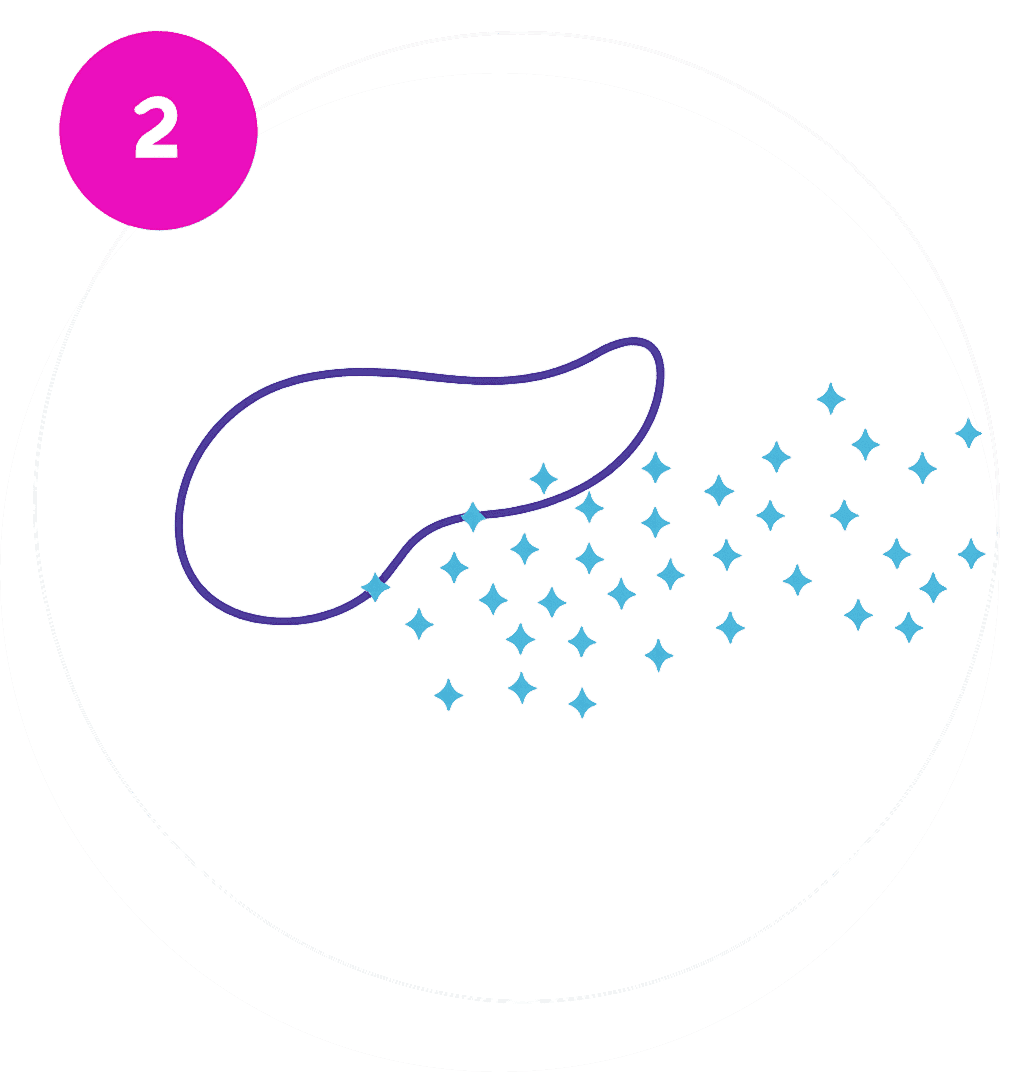
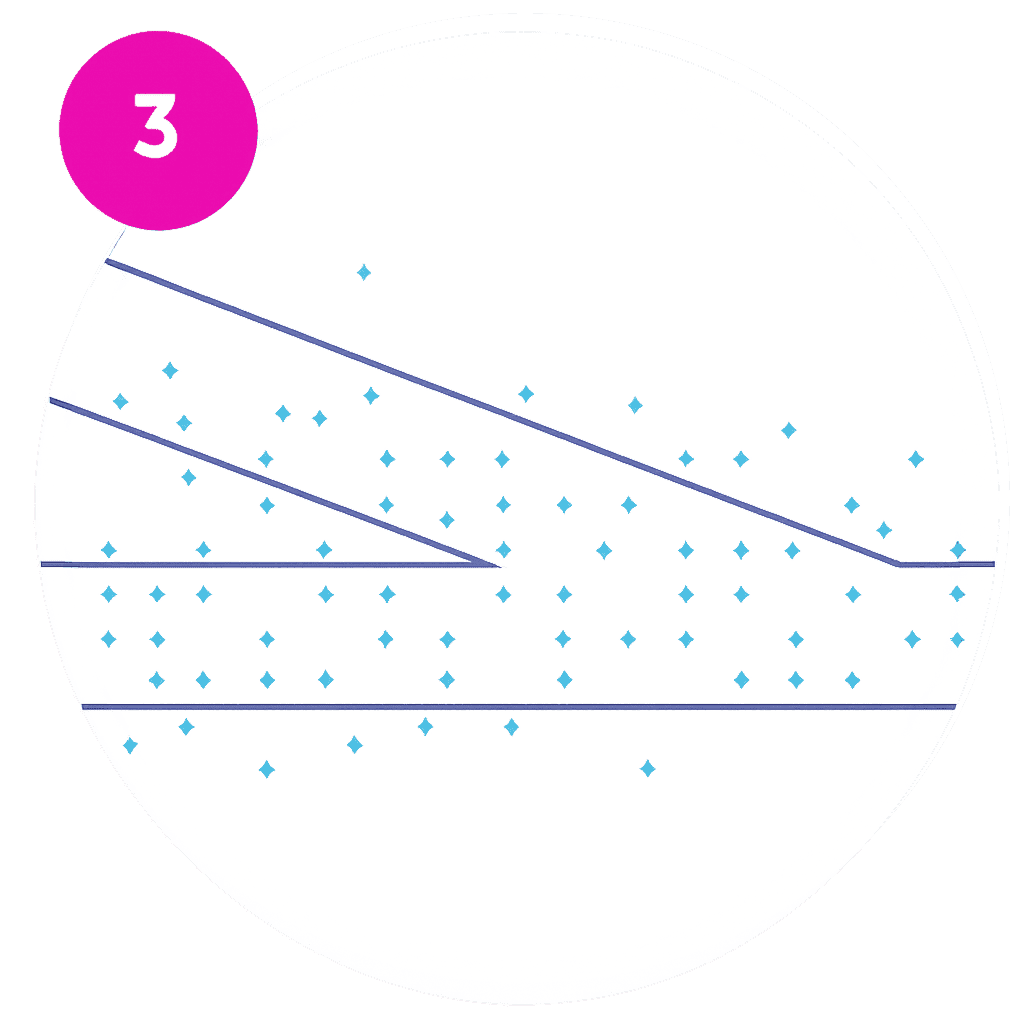
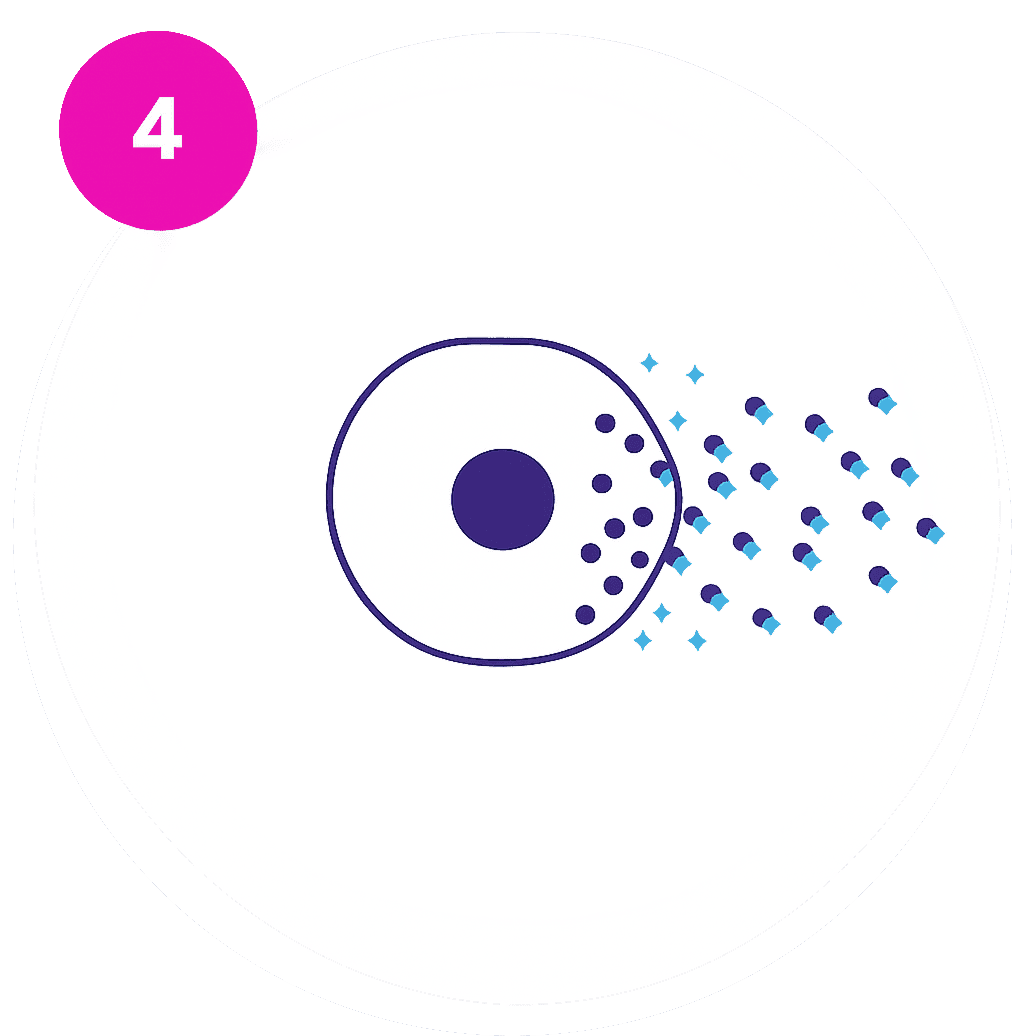
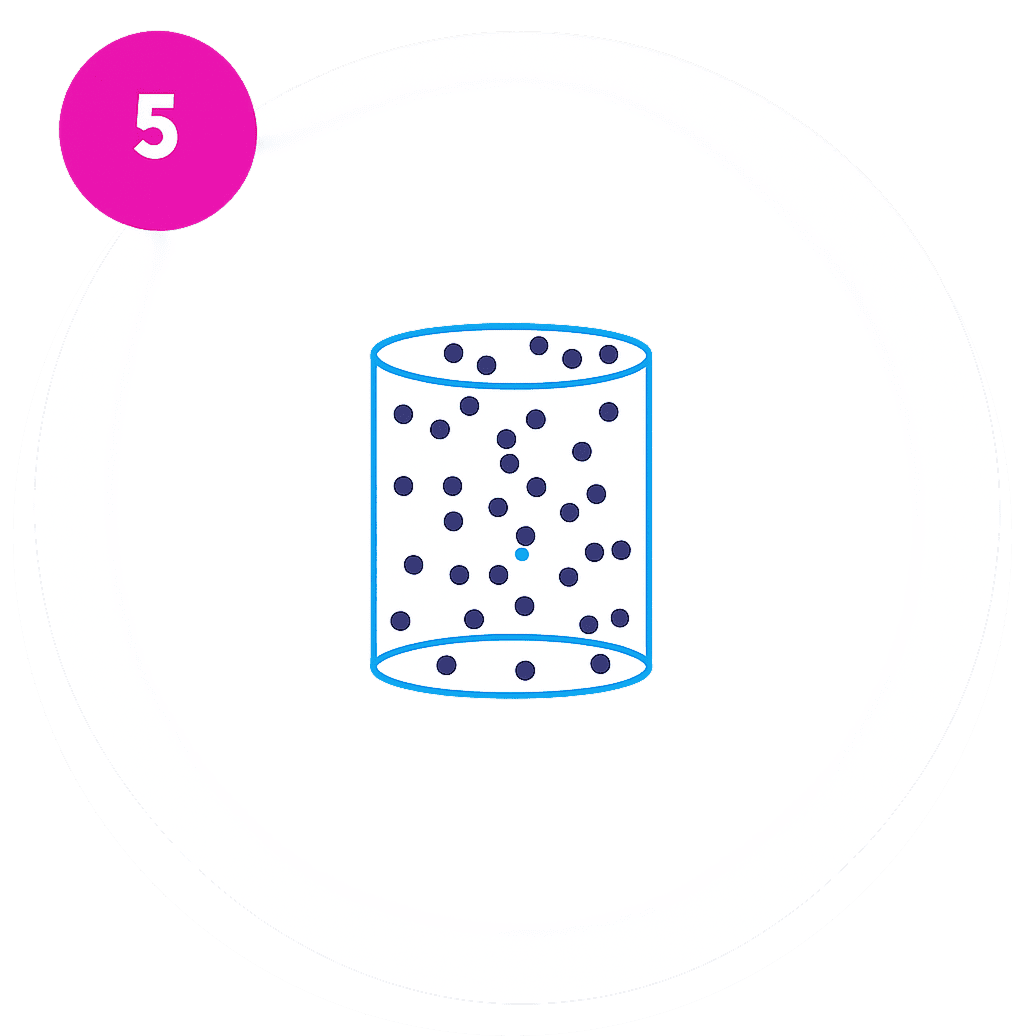
What happens when the body can’t manage blood sugar levels?
Type 2 Diabetes (most common)

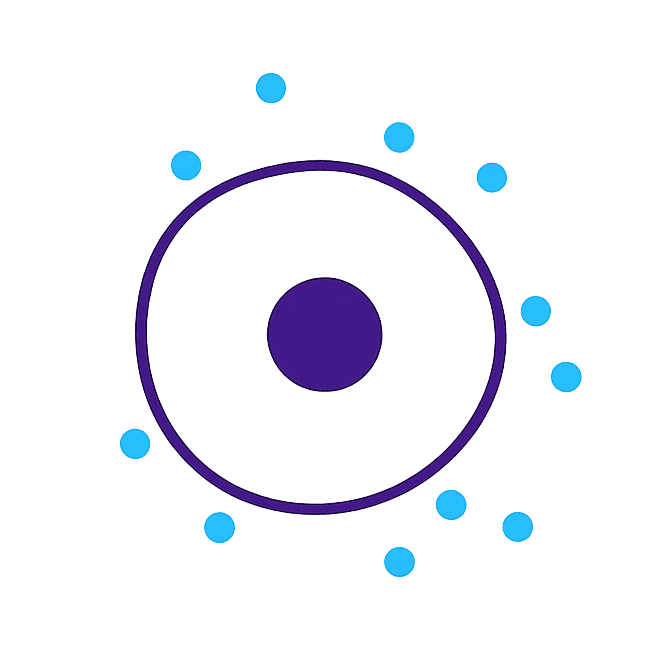
Without insulin, sugar cannot get into your cells to provide energy. As a result, sugar levels rise in your bloodstream over time.
Type 1 Diabetes (less common)

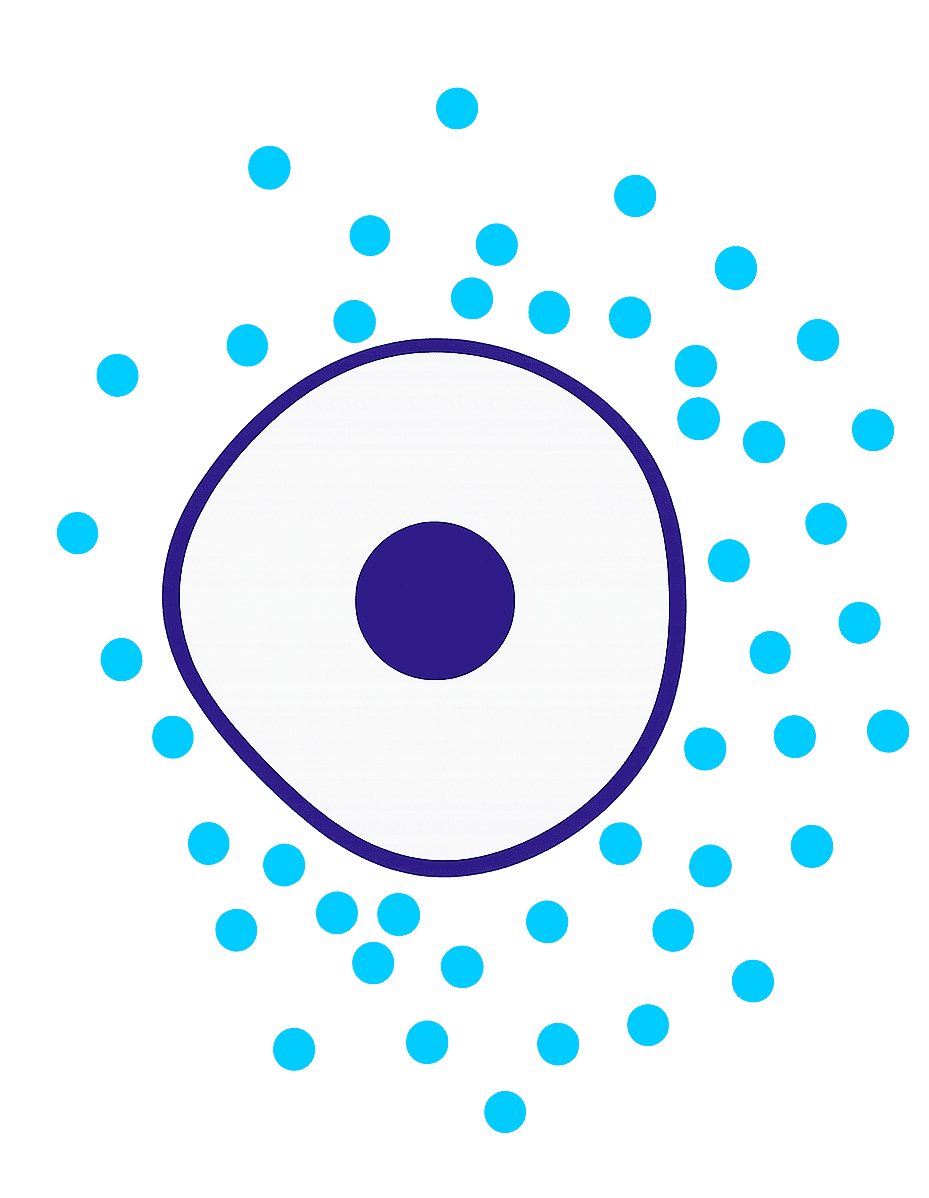
Without insulin, sugar cannot get into your cells to provide energy. As a result, sugar levels rise quickly in your bloodstream.

Why is it important to monitor blood sugar?
Daily monitoring
Take daily blood sugar readings with your home blood glucose monitor. These readings provide you with in -the -moment information to help you make immediate changes to your routine.
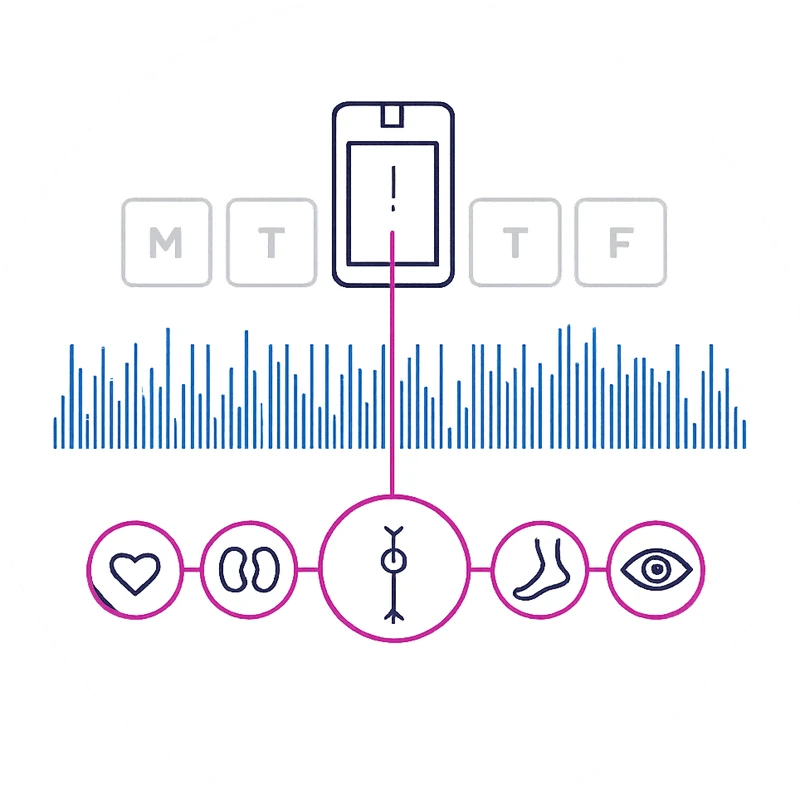
Your levels can vary widely throughout the day, depending on multiple factors, like food, activity, stress, and illness. Knowing when blood sugar levels are out of range is important to your short- and long term health. Too many high blood sugar readings over time can cause problems such as heart disease, kidney disease, nerve damage, vision loss, or foot ulcers. Regular tests and check -ups are needed to stay healthy —talk with your doctor about your plan.
Long term monitoring
An A1C is a lab test that measures your average blood sugar over a 2-3 month period. This value may be used by your doctor to make adjustments to your diabetes routine.

What are the suggested target ranges?
Based on guidelines developed by the American Diabetes Association
A1C Target
Less than 7%
Blood Sugar Targets
80-130 mg/dL
Before a meal
< 180 mg/dL
1-2 hours after the beginning of a meal
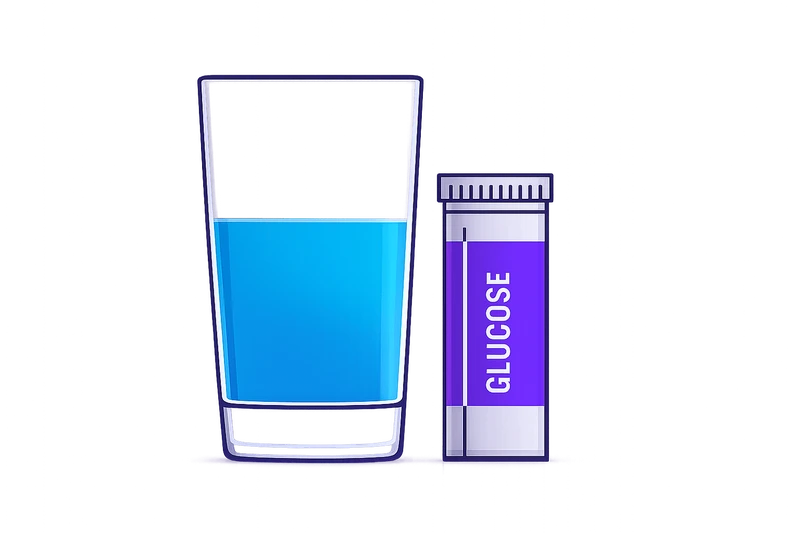
If your blood sugar is too low, also known as hypoglycemia (<70 mg/dL):
Eat or drink 15 grams of fast-acting carbs and recheck your blood sugar in 15 minutes.
If your blood sugar is too high (>130 mg/dL before a meal, >180 mg/dL after a meal):
Go for a 10-15 minute walk.

As always, you should speak with your doctor about your personal diabetes management goals.
Was this article helpful?
In this article:
Sign up to unlock your health, your way at no cost to you.
This content is not intended to be a substitute for professional medical advice, diagnosis or treatment. Always seek the advice of your physician or other qualified health provider with any questions you may have regarding a medical condition.
You may not be eligible for all services. Log in to view the benefits included in your plan.