Your guide to fasting blood sugar

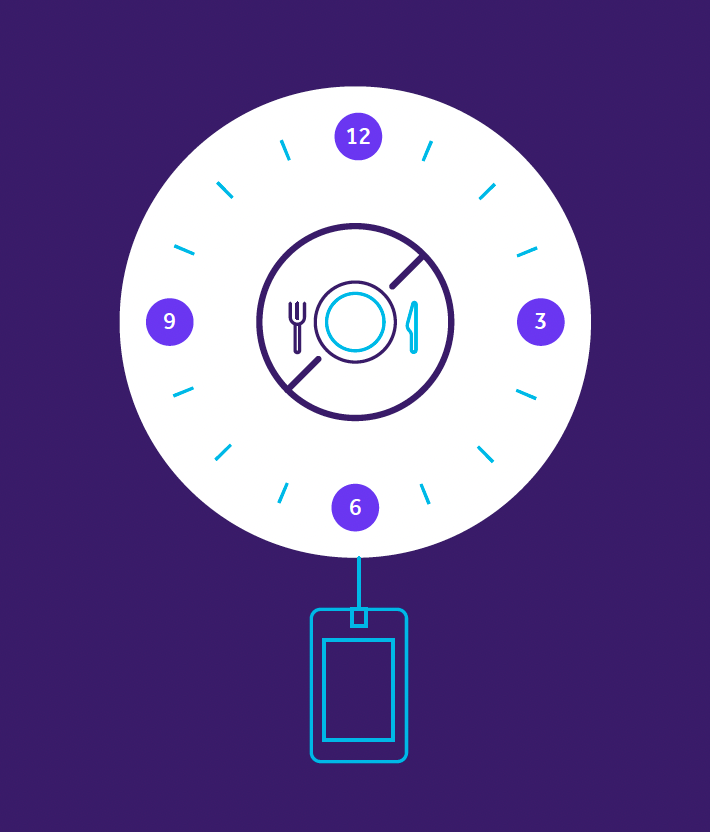
Graphic showing a crossed out plate and silverware on top of a clock face with a glucose reader below.

What is fasting blood sugar?

It’s your body’s natural blood sugar level when you haven’t had anything to eat or drink for at least eight hours. Right after you wake up. This value helps you and your doctor understand if your diabetes plan is working or if changes need to be made.

What is the suggested target range for fasting blood sugar?

Aim for a reading between 80–130 mg/dL before breakfast
What happens when the body can’t manage blood sugar levels?
 below 54 mg/dL

Below 70 mg/dL

this means your blood sugar is too low. Learn more about managing low blood sugar.

between 70–79 mg/dL

Between 70–79 mg/dL

this means your blood sugar is lower than recommended but taking action is not usually necessary unless you have symptoms (e.g. shaky, sweaty, or dizzy).

Between 80–130 mg/dL

Between 80–130 mg/dL

this means your blood sugar is in range.

above 250 mg/dL

Greater than 130 mg/dL (before a meal)

this means your blood sugar is too high. Learn more about managing high blood sugar. 

*Targets suggested by the American Diabetes Association. Work with your doctor to determine if these target ranges are right for you.

Top 4 things you can do to keep your fasting blood sugar in range

Eat a balanced dinner

Focus on a combination of veggies, protein, fat, and complex carbs that meet your individual goals.

Stay active

Take a 10-15 minute walk after your evening meal.

Take your medicine as prescribed

Talk to your doctor to see if you need to make any changes.

Check regularly 

Knowing your number allows you to make quick changes that will make the rest of the day go more smoothly.

How your body benefits by staying in range

Increased energy and less fatigue 

Less hunger and fewer cravings

Improved mood and concentration

Fewer diabetes complications, like problems with eyes, heart, feet, and kidneys

In this article:

Was this article helpful?

Be the first to find this article helpful

0 people found this article helpful

This content is not intended to be a substitute for professional medical advice, diagnosis or treatment. Always seek the advice of your physician or other qualified health provider with any questions you may have regarding a medical condition.

You may not be eligible for all services. Log in to view the benefits included in your plan.