
What functional mushrooms can and can’t do for your health
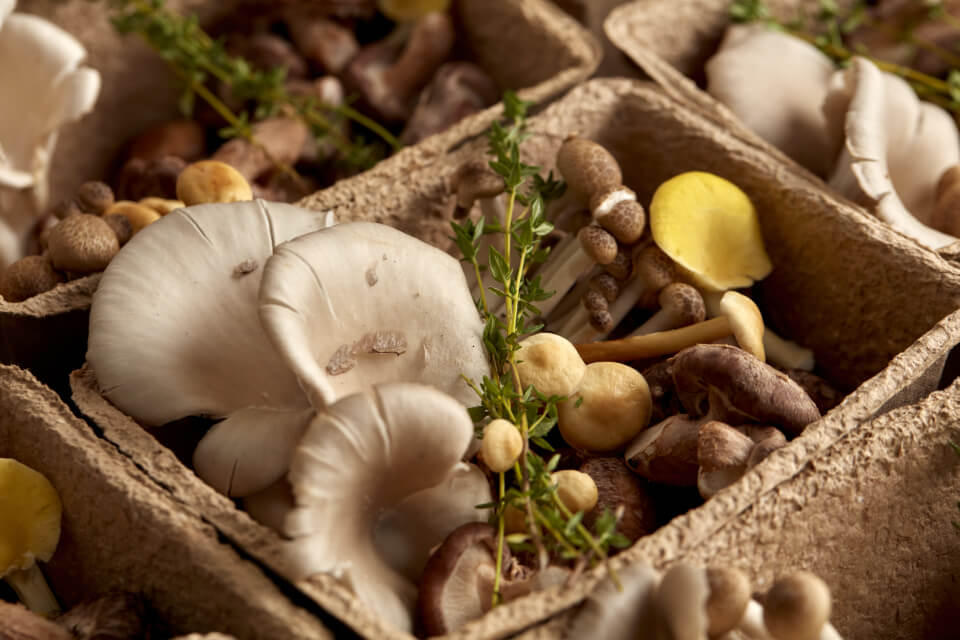
Let’s talk functional mushrooms! From boosting immunity to improving exercise performance, functional mushrooms are often presented as superfoods. But why? Keep reading to learn more about what functional mushrooms are, what they can do and what they don’t do.
What are functional mushrooms?
Functional mushrooms are mushrooms that are believed to offer health benefits beyond basic nutrition. Functional mushrooms have chemicals called adaptogens and bioactive compounds. Adaptogens are chemicals found in plants and fungi that help the body respond to and regulate stress. Bioactive compounds are chemicals that can support relaxation, help your immune system and benefit your overall health. These chemicals together can give your well-being a boost. Here are a few common compounds found in functional mushrooms:
Beta-glucans—complex carbs that may help boost immunity
Cordycepin—has been shown to benefit heart health, diabetes, stress relief and inflammation
Triterpenes—have been shown to help fight inflammation and have antiviral, antitumor and antioxidant benefits
It’s important to know the difference between functional mushrooms and medicinal mushrooms. You typically cannot purchase medicinal mushrooms from the store. In some places, they are heavily regulated and illegal without a prescription. Medicinal mushrooms contain different compounds, have different impacts on the mind and body, and are currently being studied for their benefits.
Functional mushrooms, while also currently being studied, are not illegal. You do not need a prescription to eat them. In fact, you can cook with them! You can find them in grocery stores, health food stores and as ingredients in superfood snacks.
Common functional mushrooms include:
Reishi
Shiitake
Maitake
Lion’s mane
Cordyceps
Chaga
Turkey tail
Oyster
What are the benefits of functional mushrooms?
For thousands of years in cultures around the globe, functional mushrooms have played a key role in different wellness traditions. More recent studies have been able to provide some insight into how some functional mushrooms benefit the body. Here are some of those benefits:
Immune system support—studies have shown that some mushroom species, like reishi, shiitake and maitake, can help your immune system because they contain beta-glucans. Research suggests that eating these mushrooms regularly can provide a general immune system boost.
Brain health and cognitive function—Lion’s mane mushrooms have been shown to help with memory and cognition. Small clinical studies have suggested that patients with cognitive impairment saw mild improvement with lion’s mane. More research is needed to get a better understanding about the benefits of lion’s mane. Additioanlly, many functional mushrooms contain anti-inflammatory compounds, which may support headache and migraine management.
Stress support—many functional mushrooms contain adaptogens, which help the body adapt to stress and promote balance.
Digestive support—the complex carbs in functional mushrooms help feed good gut bacteria. This makes mushrooms a prebiotic food. They are also high in fiber, which can help you feel full and keep your digestive cycles regular.
Fitness—early small studies show that cordyceps may help boost your athletic performance. While this seems promising, more research is needed.
Anti-inflammatory support—many of the compounds in functional mushrooms have anti-inflammatory properties.
What are the misconceptions about functional mushrooms?
Now that we know what the research says, let’s dive into some common misconceptions.
Functional mushrooms do not cure diseases—no mushroom or mushroom supplement is a proven cure for any disease or disorder. While some mushrooms have been shown to help people manage different aspects of their health, there is no research suggesting that mushrooms are a good stand-alone treatment for any disease.
Functional mushrooms cannot replace vaccines and medication—functional mushrooms can provide general immune support, helping your immune system do what it does best. But they cannot provide immunity to sickness or treat illnesses on their own.
Functional mushrooms alone do not prevent heart disease—functional mushrooms can be a part of your overall wellness routine. But they cannot replace established prevention strategies like diet, exercise and visits to your care provider.
Functional mushrooms do not cure cancer—while certain mushrooms are being studied for their antitumor properties, no evidence suggests that they can cure or treat cancer on their own.
Functional mushrooms cannot replace diabetes medications—some studies show that mushrooms can support healthy blood sugar levels. But these impacts are modest and should not replace standard medical care.
There are many ways to add functional mushrooms to your diet. You can cook them or add them as a supplement to your routine. Talk to your care provider before starting a functional mushroom supplement. Mushroom hot chocolate, crunchy snacks and beverages are becoming more popular.
The research on functional mushrooms is promising! But there’s still a lot for researchers to discover. If you’re curious about adding them into your routine, it’s smart to learn more and consider your health goals. When you’re shopping for groceries, keep an eye out for functional mushrooms.
Sources
A review on pharmacological insights of edible and medicinal mushroom β-glucans. Springer Nature (journal article). Accessed March 17, 2026. [https://li...25-01006-9]
Bioactive compounds in edible and medicinal mushrooms: an overview. In: Bioactive Compounds in Edible and Medicinal Mushrooms. Springer. Accessed March 17, 2026. [https://li...-00789-6_1]
Mushrooms as nutritional powerhouses: a review of their functional components and health benefits. Foods. Accessed March 17, 2026. [https://ww...8/14/5/741]
A systematic review of the biological effects of cordycepin. Molecules. Accessed March 17, 2026. [https://ww...26/19/5886]
Current evidence of ergogenic and post-exercise recovery effects of Cordyceps militaris supplementation in healthy individuals. Nutrients. Accessed March 17, 2026. [https://ww...3/18/5/781]
National Cancer Institute. Mushrooms (PDQ®): Health Professional Version. National Cancer Institute website. Accessed March 17, 2026. [https://w...hrooms-pdq]
National Center for Complementary and Integrative Health. Using Dietary Supplements Wisely. National Center for Complementary and Integrative Health website. Accessed March 23, 2026. [https://ww...ts-wisely]
American Cancer Society. Are Dietary Supplements Safe? American Cancer Society website. Accessed March 23, 2026. [https://w...lements...]
U.S. Department of Veterans Affairs, Whole Health Library. Adaptogens. Veterans Health Administration website. Accessed March 23, 2026. [https://w...togens.pdf]
Was this article helpful?
Sign up to unlock your health, your way at no cost to you.
This content is not intended to be a substitute for professional medical advice, diagnosis or treatment. Always seek the advice of your physician or other qualified health provider with any questions you may have regarding a medical condition.
You may not be eligible for all services. Log in to view the benefits included in your plan.