
Your guide to insulin shots
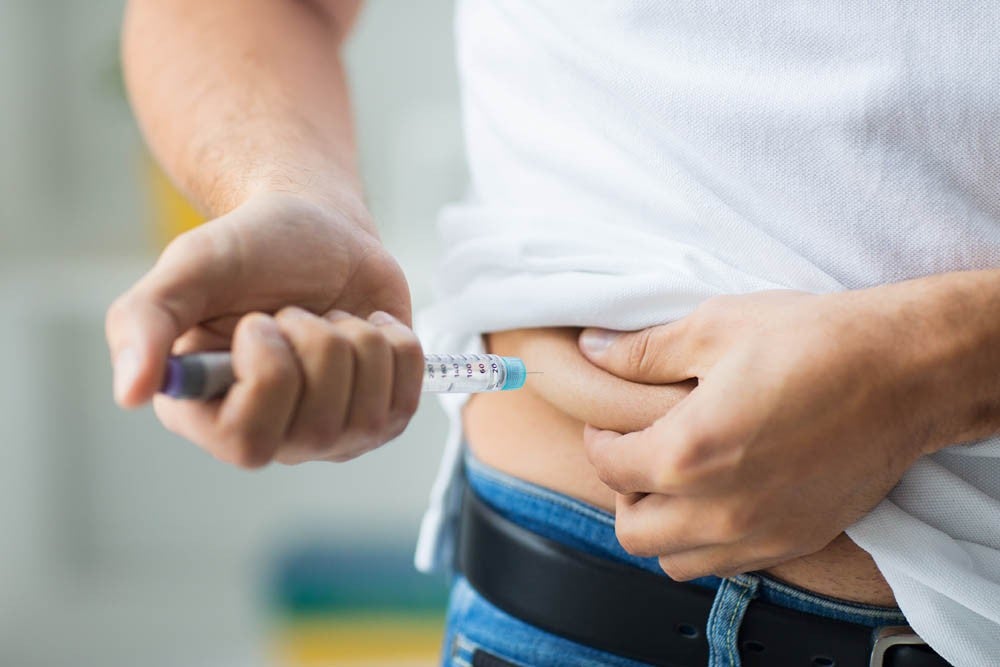
Insulin is a hormone that the pancreas produces to help the body use sugar for energy. When you eat certain foods—like those that contain carbohydrates—the sugar level in your blood rises. Insulin helps move that sugar from the bloodstream into the cells to be used for energy.



When do you need insulin?
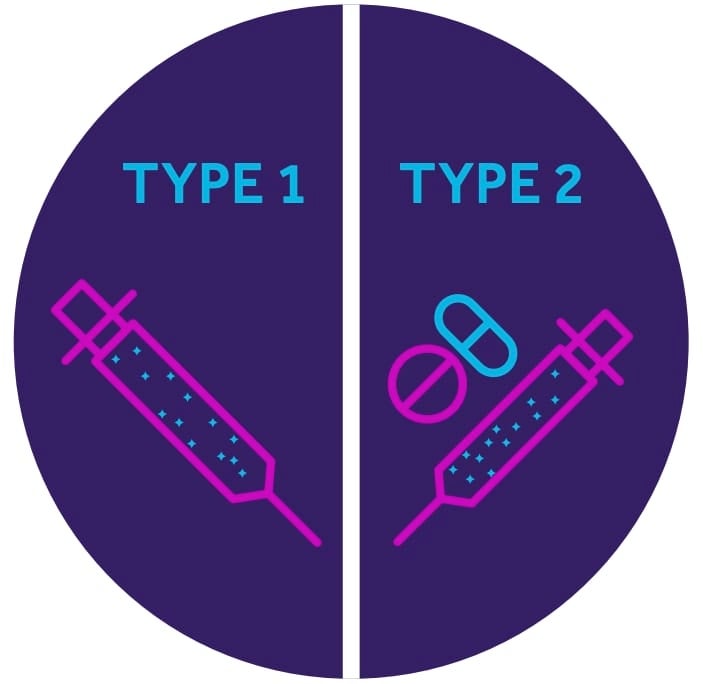
In people with type 2 diabetes, the body is unable to use insulin properly. It may also not make enough insulin. Your doctor may prescribe insulin in addition to or instead of oral diabetes medicines when diet, pills, or exercise are no longer keeping your blood sugar levels in range.
In people with type 1 diabetes, the body no longer makes any insulin and insulin injections are necessary to survive.
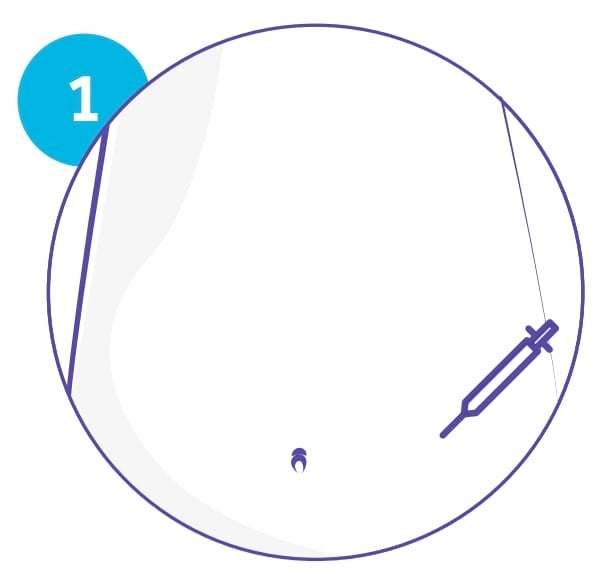
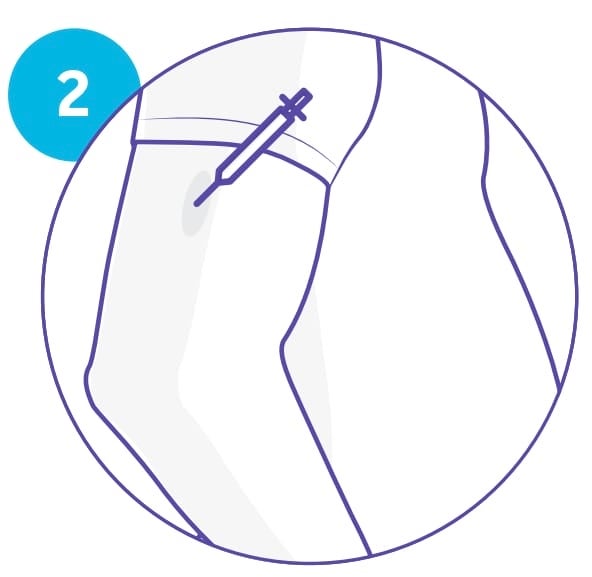
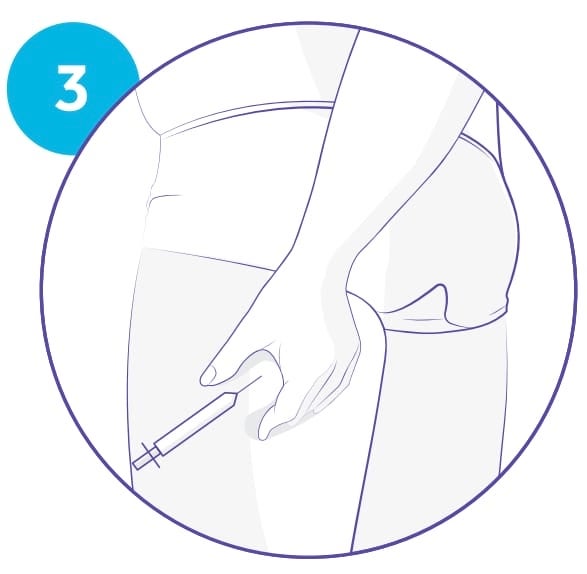
Where do you inject insulin?
Insulin should be injected just under the skin in the fatty layer of the body. Try rotating injection sites: use the same area, but an inch apart from your last injection. This will help with absorption and prevent scar tissue from forming.
How do you store insulin?
Note: Read the safety information in your insulin package to see how long your insulin can be left out after opening. Times vary depending on the type of insulin you are taking.
How do you dispose of sharps?
Sharps are considered your needles and lancets and need to be disposed of properly. Ask for a sharps container from your doctor or pharmacy. If you don’t have a sharps container, use a hard plastic container like an empty laundry soap container or a plastic milk jug. Find out what your state requires by calling the Coalition for Safe Community Needle Disposal at 1-800-643-1643, or visiting their site at www.safeneedledisposal.org
Was this article helpful?
In this article:
Sign up to unlock your health, your way at no cost to you.
This content is not intended to be a substitute for professional medical advice, diagnosis or treatment. Always seek the advice of your physician or other qualified health provider with any questions you may have regarding a medical condition.
You may not be eligible for all services. Log in to view the benefits included in your plan.