Your guide to Southern American cuisine

Your guide to Southern American cuisine

Welcome!

Planning healthy meals and snacks is at the heart of any wellness journey. But there is no one meal plan that is best for everyone. The colors, flavors, and aromas of food help to connect us to who we are and where we come from. Plus, we all have different nutrition needs, likes and dislikes, budgets, and more. That’s why we created Your guide to Southern American cuisine.

This guide is packed with healthy-eating ideas seasoned with the flavors of the South. We’ll include meal planning tools to help you create a strategy that will work for you. Use this guide to create lasting changes so you can live better.

Understanding the basics

Food is made of three basic nutrients that provide fuel to your body: carbohydrates, protein, and fats. Knowing how the body uses each nutrient and meeting the goals below will help you build well-balanced meals that are healthy and satisfying.

Carbohydrates (or carbs)

Carbohydrates are the sugars and starches that your body breaks down into glucose to use for energy. Carbs cause your blood sugar to rise. Too many of the less nutritious kinds, like added sugars, can cause weight gain and increase your risk of diabetes and heart disease. If you have diabetes, it’s important to closely monitor carb intake.

Your goal: Choose moderate portions of the more nutritious carb foods. Avoid added sugars.

Protein

Protein helps build and keep muscle. It also helps you feel full. Protein has very little impact on your blood sugar.

Your goal: Include protein when eating carbs. This slows the rise of blood sugar following a meal or snack. Opt for lean or plant-based protein sources. 

Non-starchy vegetables

Non-starchy vegetables low in carbs and calories and a great source of fiber, vitamins, and minerals.

Your goal: Fill half of your plate with a variety of non-starchy veggies at each meal. It’s not necessary to limit portion sizes like you do with other carbcontaining foods — eat as much as you desire.

Fats

Fats

Fats help your brain and nervous system work, and add great flavor and texture to food. When eaten alone, fats will not raise your blood sugar.

Your goal: Choose foods that contain healthy fats (poly and monounsaturated). Limit saturated fats and avoid trans fats.

Curious about how these nutrients translate into the foods you eat? Keep reading to take a look at our detailed Teladoc Health food groups guide. 

Teladoc Health food groups

Figuring out what to eat! Below you’ll find examples of foods that fall into each group. Depending on your health needs, you may be able to eat more than one serving at a meal. Use this as a guide to build a variety of satisfying meals that help you reach your goals.

Carbohydrates (fruits)

One serving contains 15 grams of carbs and around 60 calories

FOODSERVING SIZE
Apple1 small (4 oz)
Banana1 extra small or ½ large
Blueberries¾ cup
Cantaloupe or honeydew melon1 cup diced
Dried fruit2 Tbsp
Grapes17 small
Mango½ cup or ½ small
Nectarine or peach1 medium
Orange1 medium
Papaya1 cup cubed or ½ papaya
Pineapple¾ cup fresh or ½ cup canned
Plantain⅓ cup or ¼ plantain
Raspberries or blackberries1 cup
Strawberries1¼ cup whole
Watermelon1¼ cups diced

Non-starchy vegetables

One serving contains about 5 grams of carbohydrates and around 25 calories
½ cup cooked or 1 cup raw for one non-starchy vegetable choice below

ArtichokeGreen cabbage, red cabbage, bok choy
ArugulaGreens (collard, mustard, turnip, etc.)
AsparagusMushrooms
BroccoliOkra
Brussels sproutsOnions
CauliflowerPeppers (red, green, yellow)
CucumberSpinach, kale
EggplantSummer squash (yellow, zucchini)
Green beans, wax beans, italian beansTomatoes

Carbohydrates (starches)

One serving contains 15 grams of carbs and around 80 calories

Bagel¼ large bagel (1 oz)
Beans (black, garbanzo, kidney, lima, navy, pinto, etc.)½ cup cooked
also = 1 protein serving
Bread slice (reduced-calorie, light)2 slices (1½ oz)
Bread slice1 slice (1 oz)
Corn bread1x1 square
Corn½ cup or ½ large cob
English muffin½ muffin
Green peas½ cup
Grits½ cup cooked
Hamburger/hot dog bun½ bun
Hard taco shell2 small taco shells
Oatmeal½ cup cooked
Pita (6 inches across)½ pita
Plain potato, sweet potato, yam½ cup
Popcorn3 cups
Rice, pasta, quinoa, couscous⅓ cup cooked
Succotash1/3 cup
Tortilla (6-inches)1 small tortilla
Winter squash (butternut or acorn)1 cup

Carbohydrates (milk & yogurt)

One serving contains 6-12 grams of carbs and around 80-160 calories

Chocolate milk½ cup
Cow's milk (whole, reduced fat, skim)1 cup
Kefir (plain, unsweetened)1 cup
Rice milk (plain, unsweetened)1 cup
Almond milk (plain, unsweetened)1 cup
Soy milk (plain, unsweetened)1 cup
Yogurt, Greek or regular (plain, unsweetened)6 oz

Note: If flavored or sweetened, read the label for more details.

Protein

One serving contains 7 grams of protein and around 35-100 calories

Beans (black, garbanzo, kidney, lima, navy, pinto, etc.)½ cup cooked
also = 1 carb serving
Brisket1 oz
Cheese1 oz
Chicken, turkey, fish, beef, lamb, goat, pork1 oz
Chitterlings1 oz
Cottage cheese¼ cup
Egg substitute¼ cup
Egg whites2 egg whites
Eggs1 egg
Liver1 oz
Nut spread, no sugar added (peanut, almond, soy butter) *1 Tbsp
Nuts and seeds (almonds, cashews, pistachios, peanuts, flaxseeds, pumpkin seeds) *1 Tbsp
Tempeh (check label for carb counts) *¼ cup
Tofu *½ cup
Shellfish3 oz

Fats

One serving contains 5 grams of fat, around 45 calories,
usually 0 carbs, but always check the label

Almonds or cashews *6 nuts
Avocado2 Tbsp
Bacon1 slice
Butter, stick1 tsp
Coconut milk, canned⅓ cup light or
1½ Tbsp regular
Coconut, shredded2 Tbsp
Mayonnaise1 tsp regular or
1 Tbsp reduced fat
Nut butters (almond butter, peanut butter, cashew butter, etc.) *1½ tsp
Oil (olive oil, canola oil, mustard oil, vegetable oil, etc.)1 tsp
Olives8 black or 10 green
Peanuts*10 nuts
Pecans and walnuts4 halves
Pistachios*16 nuts
Sour cream, regular2 Tbsp

* Plant-based protein foods provide quality protein, healthy fats, and fiber. They vary in how much fat and carbohydrate they contain, so make sure to read labels.

Balance your plate

You can eat well and still enjoy yummy meals from your culture! The balanced plate model is an easy, delicious way to fuel your body. Following this format will help you fill your plate with healthy foods in the right proportions.

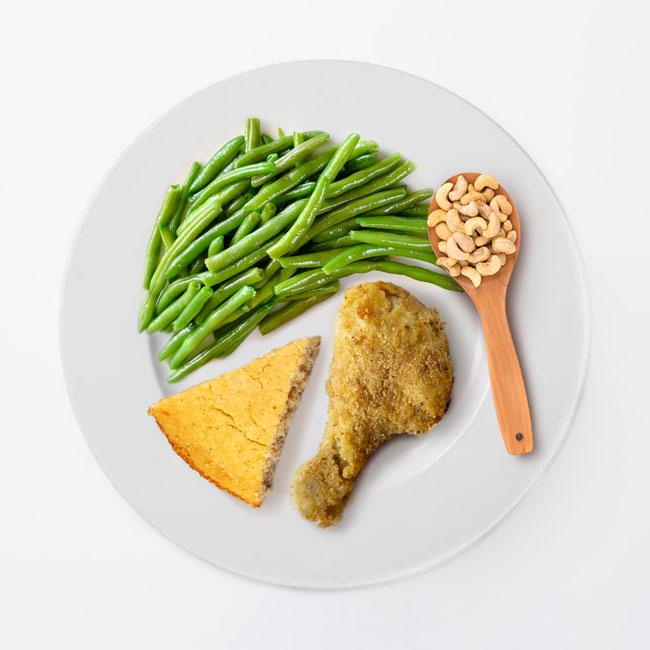
It’s as simple as eyeballing it. A balanced plate has 50% non-starchy veggies, 25% lean proteins, and 25% carbs. It may also include a little healthy fat.

Start with a 9-inch plate. Measure your usual plates and see how wide they are. If they’re bigger than 9 inches, try using smaller plates. You can also fill your regular plates to the 9-inch mark.

Use the Teladoc Health food groups Guide on the previous pages to help you fill your plate. You’ll find lots of tasty options to help create a variety of balanced and satisfying meals. Plugging different foods into the sections of the plate can even inspire creativity and get you out of a rut.

50% Non-Starchy Veggies

Half of your plate

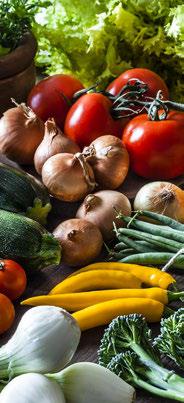
Options include: Collard and mustard greens, broccoli, green beans, celery, bell peppers, cucumbers, okra, tomatoes, cabbage

25% Carbohydrates

A quarter of your plate

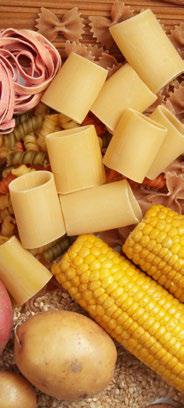
Options include: White potatoes, sweet potatoes, yams, peas, corn, succotash, plantains, squash, corn bread, cornmeal, pasta, grits, fruit, *cow’s milk, and *yogurt

25% Protein

Another quarter of your plate

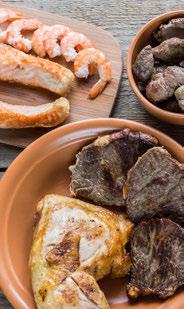
Options include: Fish, chicken, quail, frog legs, alligator, *beans, cottage cheese, liver, shellfish, **pigs’ feet, **boudin, **sausage, **brisket, **chitterlings, gizzards, steak, oxtail

Healthy fats

Just a bit

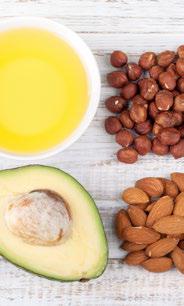
Options include: Nuts (boiled peanuts and pecans), nut butters, seeds and oils

*These foods contain protein and carbs.

**These foods are higher in fat and sodium. Read food labels to stay within your goals.

Healthy portion sizes, any time

Now that you know how to balance your plate, it’s important to consider how much you eat. When it comes to portion sizes, it can feel like the world is working against us. Restaurant servings for one can be enough for a family to share. Even the plates we use at home have gotten bigger! Luckily, you can retrain your eyes — and your stomach — to recognize what “enough” looks and feels like. Use your hand as a guide to estimate portions that will satisfy and help you reach your goals. 

Fist

Whole grains, starchy vegetables, whole fruits

Palm of hand

Meat, fish, tofu, tempeh 

Thumb

Dressings, dips, desserts

Two flat hands side by side

Total amount of food per meal

Flat hand

Non-starchy

vegetables

How to build a healthy meal

Knowing what to eat is only the first step. Here are some strategies you can use to enjoy healthy foods that fit your nutrition needs:

Plan and shop

  • Make a meal plan and shop only for foods that are on your plan.
  • Don’t be fooled by discounts. “Good deal” doesn’t mean “good for you.”

Prep ahead

  • Wash, cut, and store produce in containers right after grocery shopping.
  • Cook once, eat twice: Prepare more than you need so you can enjoy leftovers, too.

Get cooking

  • Cut the fat:
    • Simmer foods in water or vegetable stock instead of frying in oil.
    • Use a spray of extra-virgin olive oil instead of ghee or shortening.
  • Slash the sodium:
    • Skip the salt in recipes. Replace it with your favorite herbs and spices.
    • Use lemon juice and vinegar to tone down bitterness and sharpen flavors.
  • Bump up the veggies:
    • Double the amount of non-starchy veggies in a recipe. 
    • Grill, roast or steam veggies to mellow bitterness and help bring out their flavor
  • Include lean proteins:
    • Make sure your meals contain lean meat, fish, eggs, beans or tofu. 
    • Cook using healthier methods: Grill, roast or sauté.
  • Choose whole grains: 
    • Whole grains are also sources of carbs and calories. Portion size matters!
Eat and enjoy
  • Be mindful when eating:
    • Avoid distractions like the TV, your phone or your tablet. 
    • Slow your pace by putting down your fork between bites. Chew and savor!

Smarter snacks

Having a snack between meals can curb hunger throughout the day. Well-planned snacks can also keep you from eating too much at meals. Snacks that contain both produce and fat or protein are your best bet. That combo will help fill you up and keep you satisfied until mealtime.

Here are a few dynamic snack duos:

  • Watermelon + sunflower seeds
  • Celery sticks + peanut butter
  • Tomato + cottage cheese
  • Red bell pepper + cheese stick
  • Lettuce cups + chicken salad
  • Cucumber spears + turkey breast
  • Mixed fruit + plain/vanilla Greek yogurt

1-Day sample meal plan

Breakfast

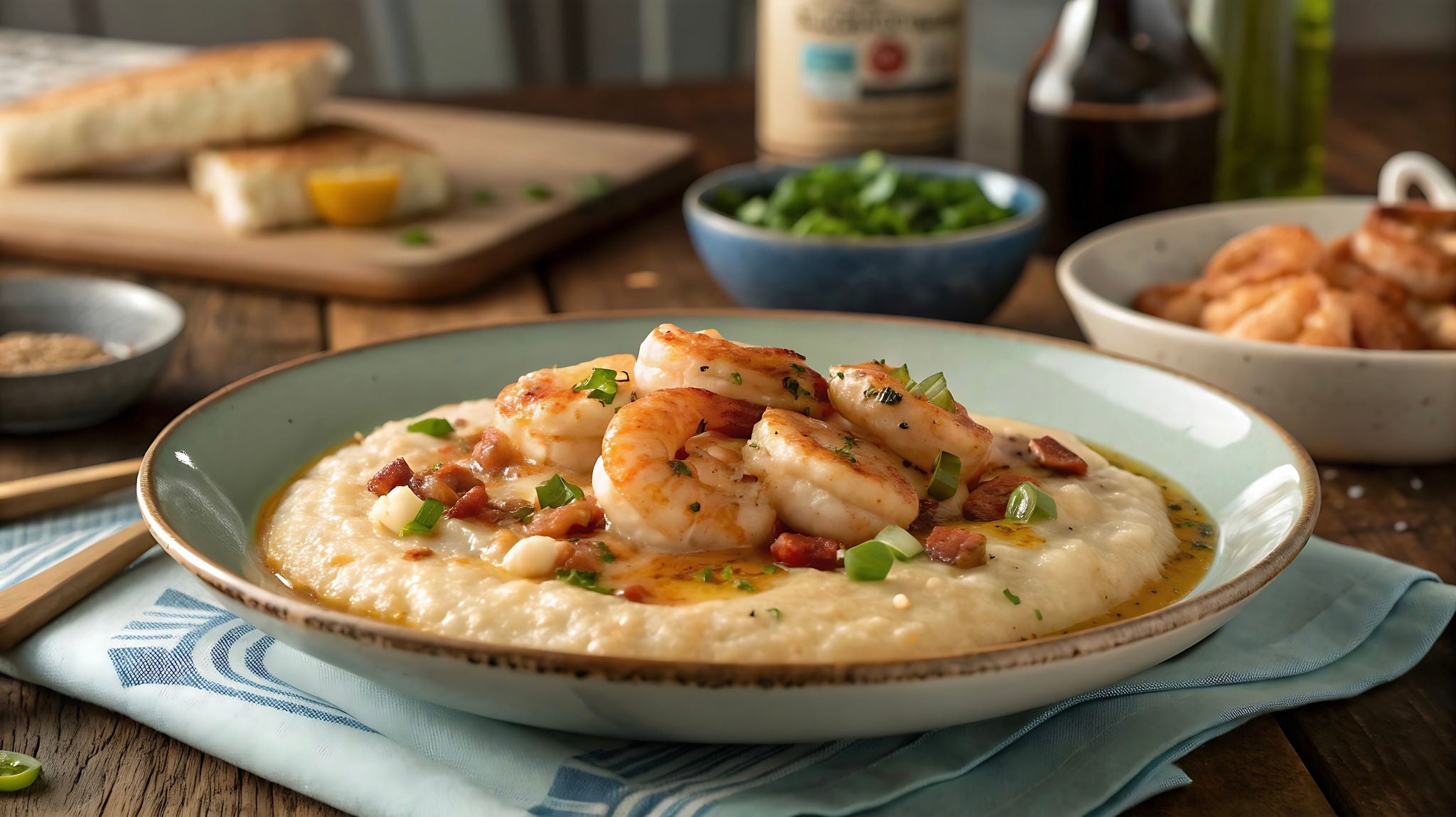
Shrimp & stone-ground grits
Cook Time 4 minutes
Servings 1 serving

Cook mode (prevents screen from going to sleep)

Ingredients

This link exits Teladoc Health's website. Instacart has its own privacy policies and terms.

Preparation

  1. Prepare stone-ground grits per package directions.
  2. Sauté shrimp in olive oil, add tomatoes, mushrooms, and onions

Nutrition

(per serving)
  • 369 Calories
  • 17g Total Fat
  • 2g Saturated Fat
  • 421mg Sodium
  • 107mg Cholesterol
  • 42g Total Carbs
  • 4g Fiber
  • 4g Sugars
  • 17g Protein
  • 410mg Potassium

Veggie boost: Serve on a bed of baby spinach or other greens.

Flavor boost: Sprinkle with scallions, chopped poblano chili peppers, minced garlic, salt, or black pepper. 

Lunch

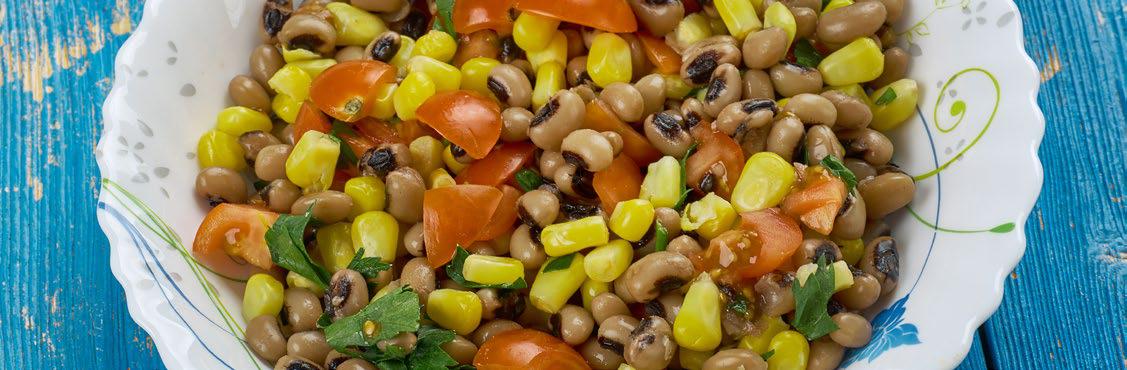
Black-eyed pea, chicken, corn & rice salad
Servings 6 servings

Cook mode (prevents screen from going to sleep)

Ingredients

This link exits Teladoc Health's website. Instacart has its own privacy policies and terms.

Preparation

Combine all the ingredients in a large bowl. Stir to combine and serve.

Nutrition

(per serving)
  • 318 Calories
  • 5g Total Fat
  • 1g Saturated Fat
  • 113mg Sodium
  • 57mg Cholesterol
  • 41g Total Carbs
  • 7g Fiber
  • 9g Sugars
  • 28g Protein
  • 707mg Potassium

Dinner

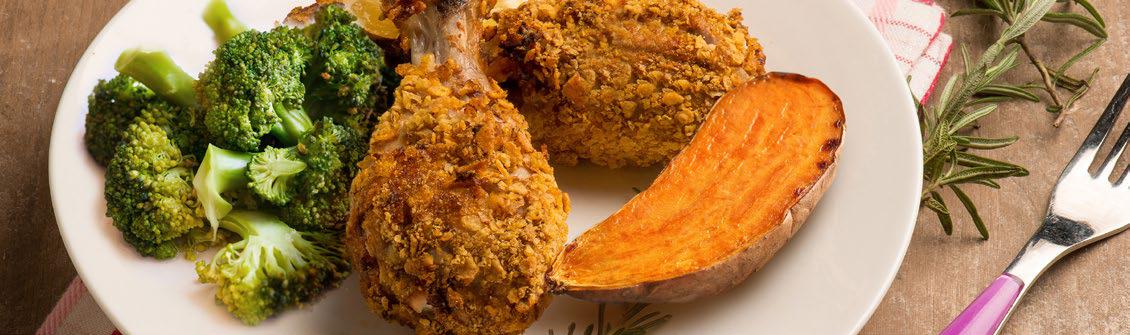
crispy oven-fried drumsticks with baked sweet potato & broccoli
Crispy oven-fried drumsticks with baked sweet potato & broccoli
Servings 1 serving

Cook mode (prevents screen from going to sleep)

Ingredients

This link exits Teladoc Health's website. Instacart has its own privacy policies and terms.

Preparation

  1. Preheat oven to 425°F.
  2. Crush cornflakes and combine with grated parmesan cheese in a resealable bag; close and shake to combine.
  3. Dip 2 skinless chicken drumsticks in fat-free buttermilk; place in bag.
  4. Seal and shake well, coating drumsticks completely.
  5. Place drumsticks on an aluminum foil-lined baking sheet coated with cooking spray.
  6. Bake for 25-30 minutes or until drumsticks are well browned and done.
  7. Serve with baked sweet potato and steamed broccoli. 

Nutrition

(per serving)
  • 339 Calories
  • 7g Total Fat
  • 2g Saturated Fat
  • 670mg Sodium
  • 239mg Cholesterol
  • 42g Total Carbs
  • 5g Fiber
  • 9g Sugars
  • 28g Protein
  • 1267mg Potassium

Veggie boost: Serve with a salad of tossed greens dressed with ¼ tsp olive oil and balsamic vinegar.

Flavor boost: Add some red pepper flakes, black pepper, or garlic powder to taste.

Snack options

  • Crunchy veggies (peppers, cucumbers, celery) with 2 Tbsp hummus
  • 1 small apple with 1 Tbsp peanut butter

Understanding food labels

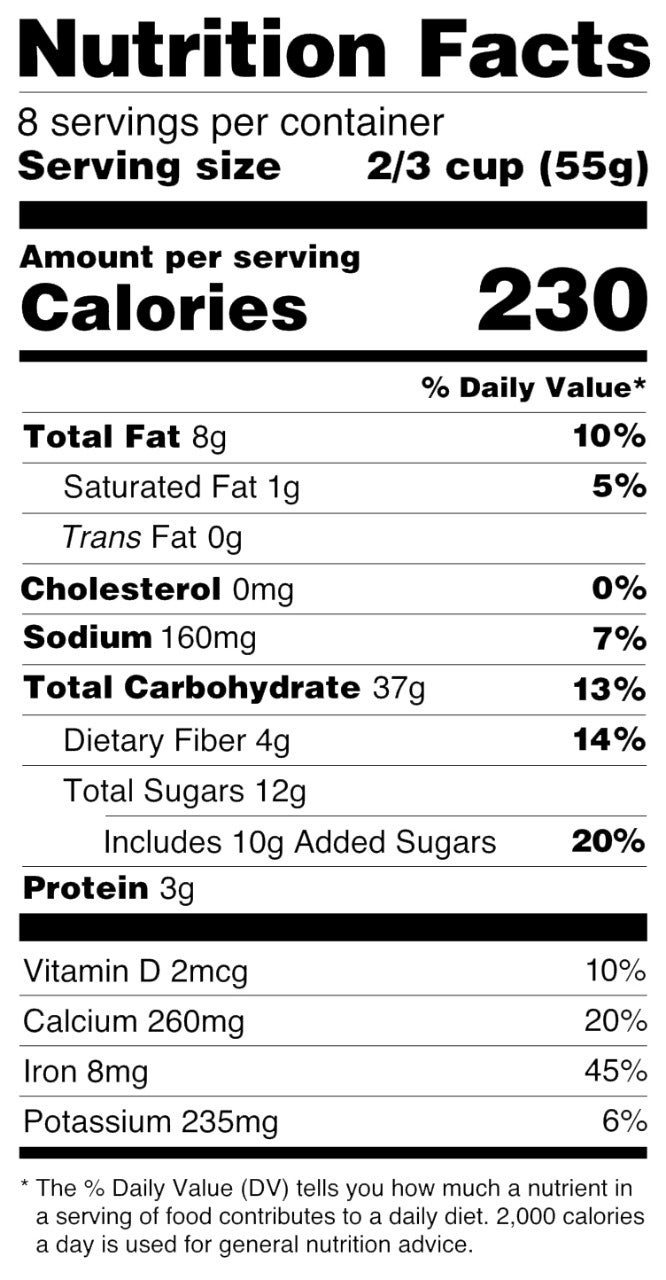
Learning how to read food labels can help you make healthier choices. Use this guide to help you make the most of the Nutrition Facts label.

Keep in mind that the healthiest foods, like fruits and veggies, don’t have food labels.

Step 1: what’s in a serving?

  • Read the number of servings per container.
  • Learn the size of each serving.
  • Remember, the numbers below are for ONE serving.
  • If you’re eating more than one serving, multiply the numbers below by that amount.

Step 2: aim for less:

  • Saturated fat
  • Trans fats
  • Sodium (below 2,300 mg per day)
  • Sugar
  • Added sugars

Step 3: aim for more:

  • Fiber
  • Protein
  • Nutrients like vitamin D, iron, potassium, and calcium.
nutrition labels

Step 4: check the ingredients list (separate from the nutrition facts panel)

  • Ingredients are listed in by quantity, from highest to lowest.
  • Avoid food additives like “monosodium glutamate,” “sodium nitrates,” and “food coloring”. These are likely processed foods.
  • Avoid items with ingredients that contain the word “hydrogenated”, this means trans-fat.
  • Avoid added sugars, often listed as “high fructose corn syrup,” “dextrose,” “sucrose,” “honey,” and “molasses”

Before you go

  • Review the menu online to help make better choices when it’s time to order.
  • Eat normally. Skipping meals just sets you up to be overly hungry when you sit down to order.
  • Have a produce and protein snack an hour before the meal to curb hunger

At the restaurant

  • Choose the treat that you like best—drink, starter, bread or dessert— to go along with your meal. Enjoy it!
  • Cut your meal in half. Pack up the rest to bring home as leftovers.
  • Ask for lower-calorie options like salad dressing on the side, light oil on pasta and veggies, and grilled chicken instead of crispy!
  • Stick with balanced plate portions: 50% non-starchy veggies, 25% lean protein, 25% carbs.
  • Chew food well and wait until you have swallowed your current bite to take another one. 

It’s okay if one meal isn’t “perfect.” But by planning ahead, you’ll be able to stay closer to your wellness goals! 

Was this article helpful?

Be the first to find this article helpful

0 people found this article helpful

This content is not intended to be a substitute for professional medical advice, diagnosis or treatment. Always seek the advice of your physician or other qualified health provider with any questions you may have regarding a medical condition.

You may not be eligible for all services. Log in to view the benefits included in your plan.