
Healthify your kitchen
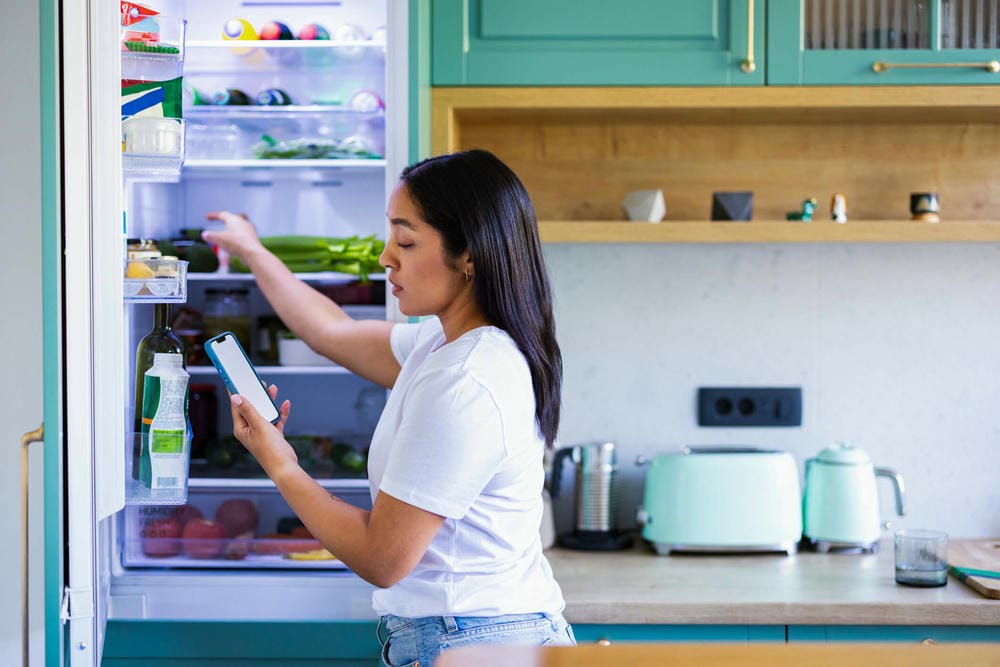
Make over your kitchen for healthy eating with this guide.
In the fridge:
 | Trade high-calorie drinks like sodas and lemonade for sugar-free drinks like flavored seltzers and unsweetened iced tea |
 | Swap full-fat dairy foods like milk and yogurt for low-fat or nonfat versions to save calories and cut back on saturated fat |
 | Move items around so healthier foods like fruits and vegetables are front and center. Seeing those foods first will keep them fresh in your mind, so you're more likely to eat them |
 | Keep healthy snacks within reach. String cheese sticks, hummus cups, hard-boiled eggs, and cut-up carrots and bell peppers are all tasty choices |
In the freezer:
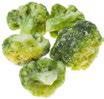 | Stock up on bags of frozen vegetables and fruits like spinach, broccoli, and berries. They’re just as good for you as the fresh versions. Plus, they last a long time and will be ready for you when you need them. |
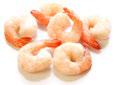 | Keep a stash of healthy proteins like chicken breasts and shrimp in the freezer. This way, you can pull a meal together at a moment’s notice. |
 | Freeze individual portions of leftovers like soups and stews. When you’re too tired to cook, all you have to do is put them in the microwave and hit “defrost.” |
In the pantry:
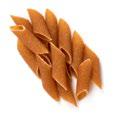 | Trade out refined grain foods like regular pasta and white rice for whole grain versions like whole wheat pasta and brown rice. You'll get more flavor and more filling fiber per serving! |
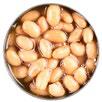 | Keep a stash of low-sodium canned beans. Beans are good for your heart and blood sugar, are an affordable source of protein, and don't require any cooking. Rinse before using to lower the sodium even more. Dried beans are also a good choice, though they take longer to prepare. |
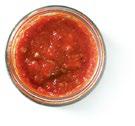 | Look for low-sodium sauce. Tomato sauce can come packed with sodium. Some sauces also have a lot of added sugar. Read labels to make sure you're buying a low-sugar, low-sodium tomato sauce. You can also use crushed or diced tomatoes, which don't usually have any sodium or sugar added. |
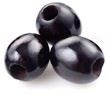 | Swap in healthier condiments. Ingredients like flavored vinegar, mustard, capers, olives, and nuts are better-for-you ways of adding zest to your meals. |
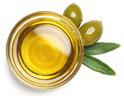 | A healthy cooking oil like olive oil is a useful addition to your pantry: a little bit goes a long way in making your meals delicious. Healthy fats are also important for heart health. |
This content is not intended to be a substitute for professional medical advice, diagnosis, or treatment Always seek the advice of your physician or other qualified health provider with any questions you may have regarding a medical condition.
Was this article helpful?
In this article:
Sign up to unlock your health, your way at no cost to you.
This content is not intended to be a substitute for professional medical advice, diagnosis or treatment. Always seek the advice of your physician or other qualified health provider with any questions you may have regarding a medical condition.
You may not be eligible for all services. Log in to view the benefits included in your plan.