
Your guide to milk and plant-based milk options
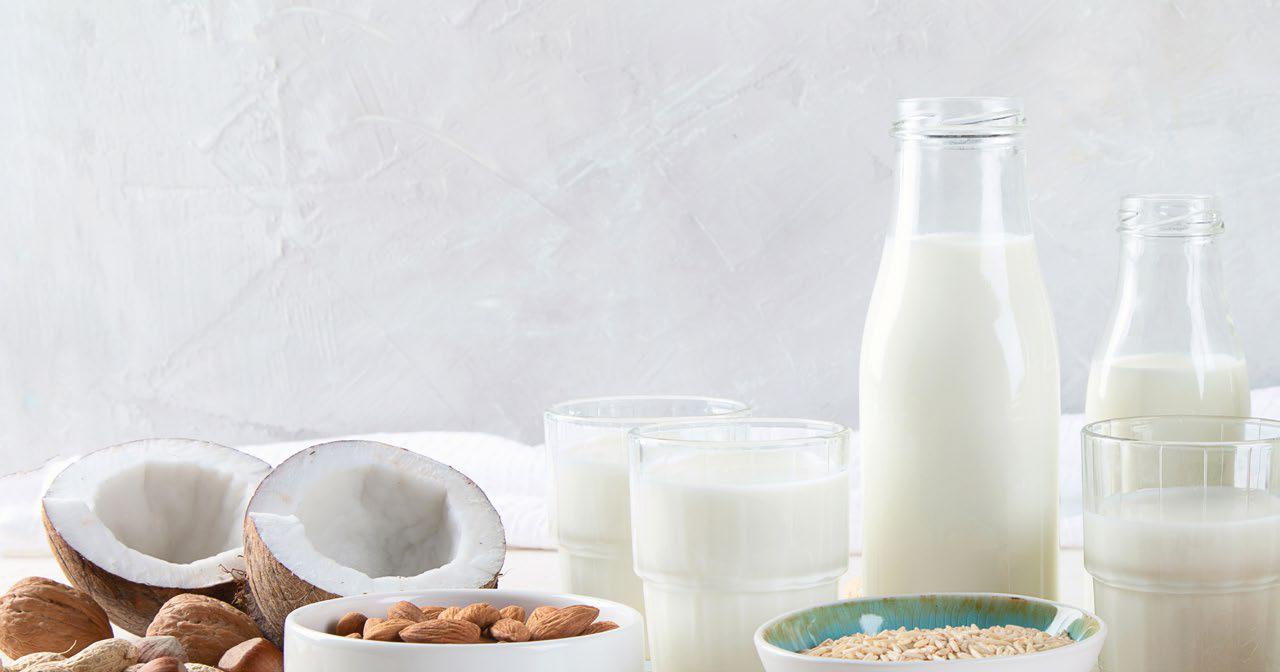
Have you noticed the overflow of options in the dairy section at your grocery store lately? There are dozens of products from regular cow’s milk to milk made from peas or soy.
While options are great, it can also make it harder to find the right product for you. This guide breaks down the various types of milk. We are also sharing some shopping tips for the next time you’re at the store.
When it comes to milk, there are two main types:
1. Cow’s milk
2. Dairy-free milk alternatives, aka plant-based milk
All milk falls into one of these two groups. But within each category, there are many options.
Cow’s milk
There are several choices of cow’s milk. They usually vary in total and saturated fat content. There are also some dairy products that are lactose-free. Some even have a higher protein content.
Whole milk is milk that is 3.25% milk fat by weight. That can be confusing, but what’s important to know is that it is the highest in fat of all cow’s milk. One cup has 150 calories, 8 grams of fat and 4.5 grams of saturated fat
Reduced-fat milk (2%) is milk that is 2% milk fat by weight. One cup has 120 calories, 5 grams of fat and 3 grams of saturated fat.
Low-fat milk (1%) is lower in fat compared to whole and reduced-fat milk. It is 1% milk fat by weight. One cup has 100 calories, 2 grams of fat and 1 gram of saturated fat.
Fat-free milk, aka skim milk, is just that— free of fat. One cup has 80 calories, 0 grams of fat and 0 grams of saturated fat.
Lactose-free milk still comes from a cow, but the lactose (milk sugar) has been removed. This is a great option for people who are lactoseintolerant.
Organic milk comes from organic dairy farms. Organic means that the cows receive organic feed, free of pesticides. It also means the cows are not treated with antibiotics or growth hormones.
Ultra-filtered milk is when the milk has been filtered to keep in more of the good stuff. The process also filters out things like water and some nutrients. If you see a milk boasting extra protein or calcium, or less sugar or lactose, it’s likely filtered milk.
Flavored milk, like chocolate milk, is milk with sweet flavoring added. These types of milk, no matter the flavor, tend to be higher in added sugar.
Dairy-free milk alternatives (plant-based milk)
Plant-based milk is a great option for anyone who cannot tolerate lactose. It’s also perfect for anyone who doesn’t like the taste of cow’s milk. It’s a popular pick for those avoiding animal products as well. This group of milk is always growing, but here are some popular options.
Soy milk is made from soybeans. Unlike most other plant-based milk, it’s a good source of protein. One cup has about 8 grams of protein, depending on the product. You can find both sweetened and unsweetened types.
Oat milk is becoming more popular. It is creamier than most other plant-based milks. You can find oat milk products that have varying amounts of calories, fat and sugar. Oat milk tends to be lower in protein.
Pea milk is another plant-based milk that is higher in protein. It is made from just the protein of peas, so it doesn’t have a pea flavor.
Nut milk (almond, cashew, etc.) is milk made from any type of nut. Almond and cashew are the most common. You can also find others like pistachio and walnut. These tend to be lower in protein. In general, these are less creamy than oat or soy milk.
Coconut milk beverage comes from coconuts, yes, but we are not talking about the type you find in a can. Canned coconut milk is high in calories and saturated fat. Coconut milk beverage can be found in the refrigerated section. It tends to be lower in calories and fat but has a nice creaminess to it.
Which milk is healthier: cow’s milk or plant-based milk?
No one milk is better than the other. And really, it comes down to what is best for you. We all have different likes (and dislikes) and dietary needs.
Regular dairy milk provides 13 essential nutrients. This means the nutrients must come from your diet; our bodies do not make them. These nutrients include protein, vitamin D, calcium, vitamin A, phosphorus, riboflavin, niacin, vitamin B12, pantothenic acid, potassium, zinc, iodine and selenium.
It’s also a source of protein. If you’re vegetarian, dairy can be an easy way to get more protein.
Plant-based milk products provide options for those who don’t drink regular dairy milk. There are many types, too, which means there is something for everyone. These milks usually have added calcium, vitamin D and other minerals. Unlike cow’s milk, not all plant-based milks are a good source of protein. They can have added sugar as well.
How to shop for the best milk
While everyone’s needs are different, there are a few things to consider when shopping for milk.

Was this article helpful?
In this article:
Sign up to unlock your health, your way at no cost to you.
This content is not intended to be a substitute for professional medical advice, diagnosis or treatment. Always seek the advice of your physician or other qualified health provider with any questions you may have regarding a medical condition.
You may not be eligible for all services. Log in to view the benefits included in your plan.