
Get to know your dates
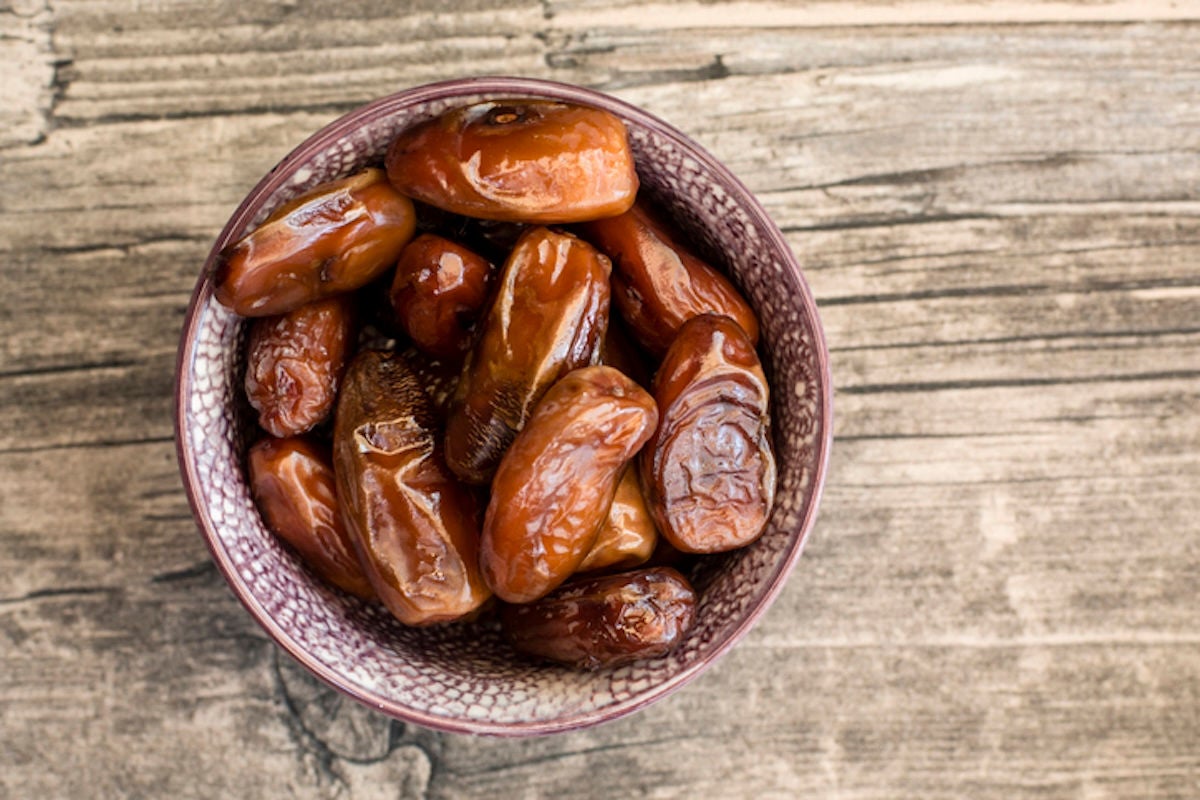
Dates are having a moment. While these sweet fruits have been around since ancient Mesopotamia, they’ve surged in popularity over the past few years. Now you can find dates in everything from energy bars to baking mixes and in a variety of forms like syrups and sugars. They’re all-natural—but does that make them better for you? Here’s the lowdown on dates.
These small, brown, wrinkly fruits originally came from North Africa and the Middle East. They are now grown around the world in hot, dry areas that have access to water. There are many different typesof dates: Medjool, Deglet Noor, Halawi and Barhi are just a few examples. While the specific flavors and textures can vary, dates are generally sweet, chewy and caramel-like. Despite their wrinkled appearance, the dates you find in stores can be fresh or semi-dehydrated—but they’re not completely dried like raisins or dried apricots.
Nutrition-wise, dates are packed with benefits. For many years, people have believed them to play a role in easing childbirth; research shows that eating them late in pregnancy is actually linked with shorter labor. Other research points to possible brain, heart and other benefits.
Dates are a good source of minerals like copper, selenium, magnesium and potassium. They also provide disease-fighting antioxidants like carotenoids and phenolics. Around two to three Medjool dates contain 3 grams of heart-healthy fiber. The same size serving has 27 grams of sugar. There is some evidence, however, that dates may not impact blood glucose as much as you might expect.
If you’re looking to add some sweetness to your meals or snacks, give dates a try. To minimize impact on blood sugar, keep your serving small—no more than two to three dates. You’ll also want to balance the natural sugar in the dates out with protein- and fiber-rich ingredients (think a date stuffed with peanut butter, or a green salad topped with chopped dates and goat cheese).
As for using dates as a sugar substitute? Dates may be the upgrade you’re looking for. However, not all date products are created equally.
Date sugar is made from whole dates that have been gently dried and ground into a powder. You can use it in place of sugar in baked goods and sprinkle it on oatmeal as a more nutritious alternative to brown sugar.
Date paste is a thick spread made from soaked and blended whole dates. Use it in baked goods, as a toast topper, or blended into homemade sauces or salad dressings.
Date syrup is made from dates that have been cooked down, blended with water, and strained through a filter to remove solids. This removes the fiber. As a result, date syrup may impact blood sugar levels more than other date products; use caution if you have diabetes or prediabetes. Date syrup dissolves in water, so it can be used in coffee and tea like you might add honey or maple syrup.
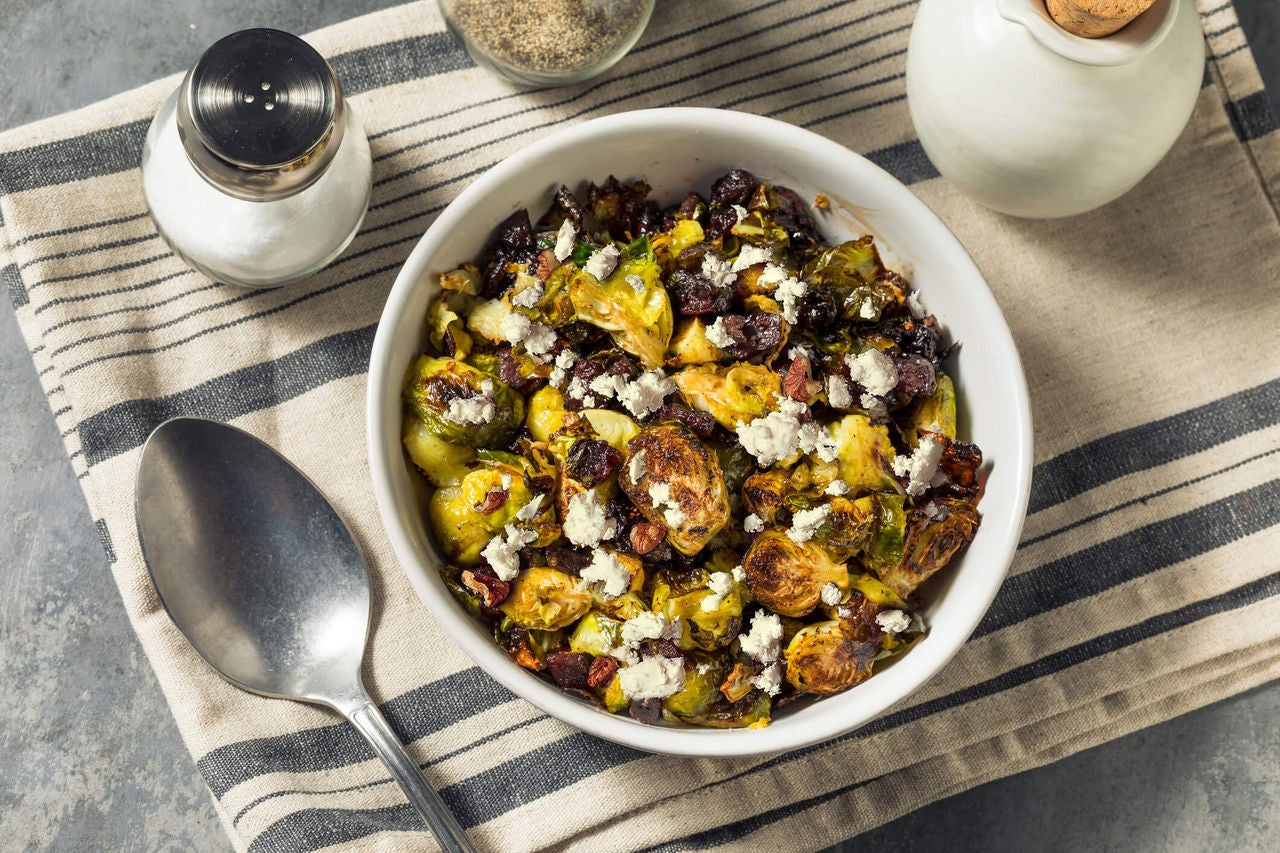
Try this delicious date recipe:
Cook mode (prevents screen from going to sleep)
Ingredients
This link exits Teladoc Health's website. Instacart has its own privacy policies and terms.
Preparation
- Preheat oven to 400°F.
- Toss brussels sprouts with olive oil and spread on a baking sheet. Roast until just starting to brown, around 20-30 minutes.
- Add walnuts and dates and cook for another 5 minutes. Toss well.
- Transfer ingredients to serving bowl and sprinkle with goat cheese.
Nutrition
(per serving)- 230 Calories
- 16g Total Fat
- 3.5g Saturated Fat
- 67mg Sodium
- 7mg Cholesterol
- 18g Total Carbs
- 5g Fiber
- 9g Sugars
- 7g Protein
- 534mg Potassium
Sources
- Al-Karmadi A, Okoh AI. An overview of date (Phoenix dactylifera) fruits as an important global food resource. Foods. 2024;13(7):1024. doi:10.3390/foods13071024
- Kordi M, Meybodi FA, Tara F, Fakari FR, Nemati M, Shakeri M. Effect of dates in late pregnancy on the duration of labor in nulliparous women. Iranian Journal of Nursing and Midwifery Research. 2017;22(5):383. doi:10.4103/ijnmr.IJNMR_213_15
- Mirghani HO. Effect of dates on blood glucose and lipid profile among patients with type 2 diabetes. World J Diabetes. 2024;15(6):1079-1085. doi:10.4239/wjd.v15.i6.1079
- Subash S, Essa MM, Braidy N, et al. Diet rich in date palm fruits improves memory, learning and reduces beta amyloid in transgenic mouse model of Alzheimer’s disease. Journal of Ayurveda and Integrative Medicine. 2015;6(2):111. doi:10.4103/0975-9476.159073
Was this article helpful?
Sign up to unlock your health, your way at no cost to you.
This content is not intended to be a substitute for professional medical advice, diagnosis or treatment. Always seek the advice of your physician or other qualified health provider with any questions you may have regarding a medical condition.
You may not be eligible for all services. Log in to view the benefits included in your plan.