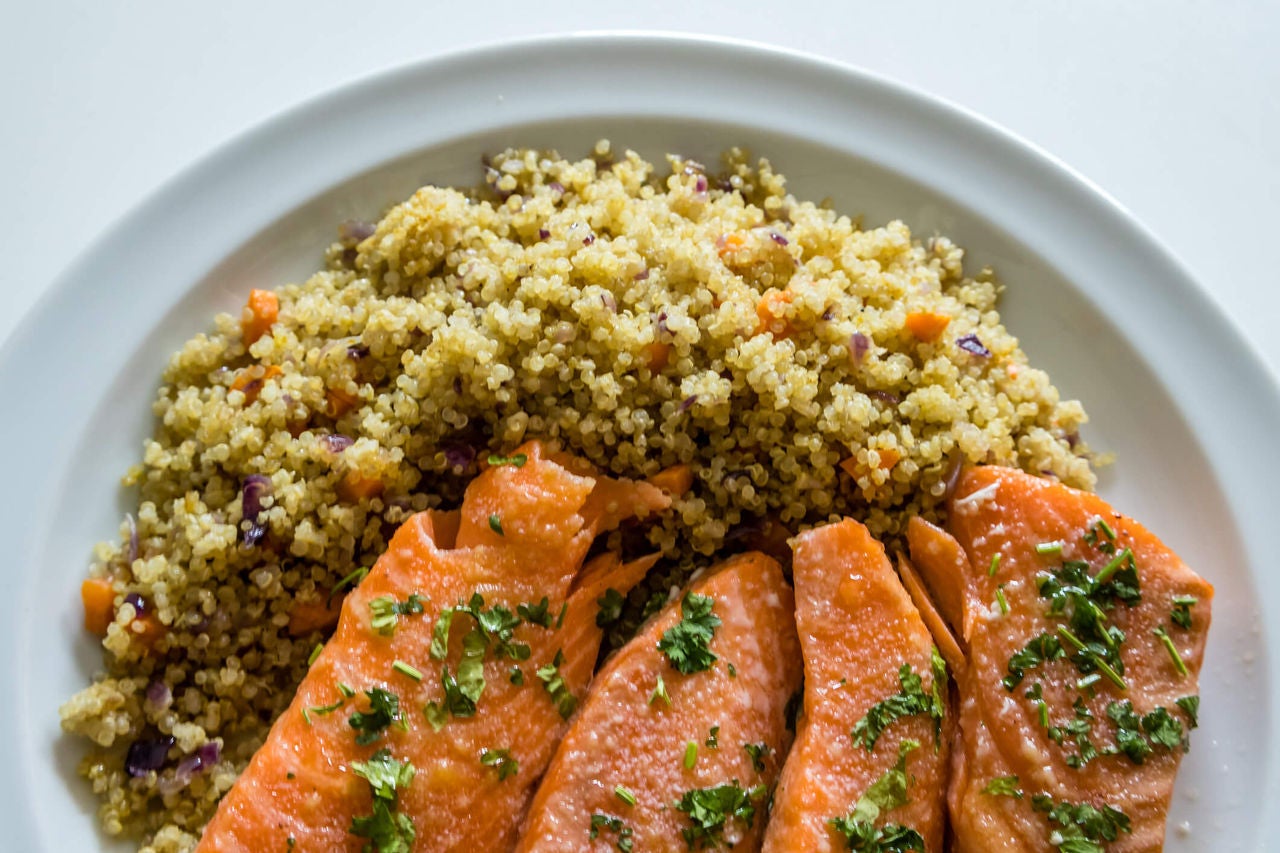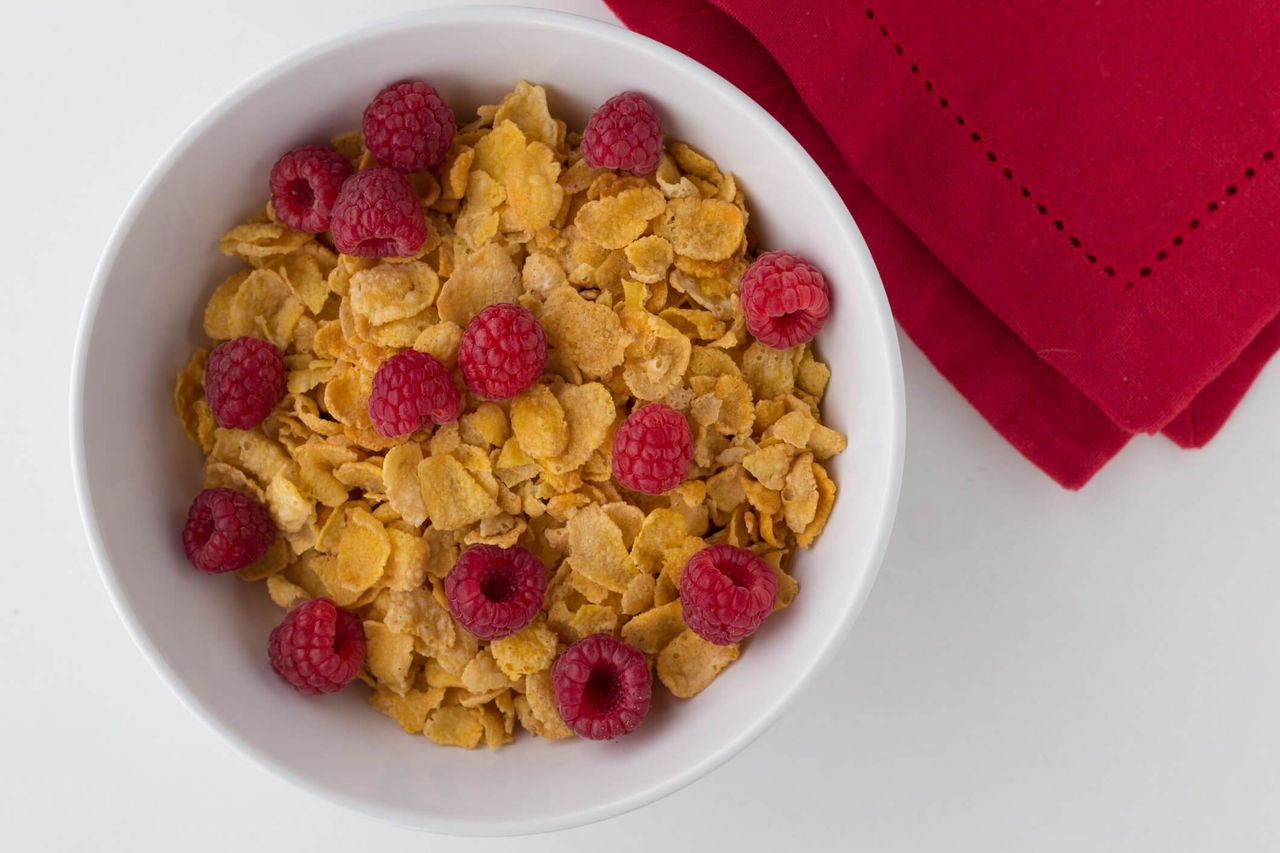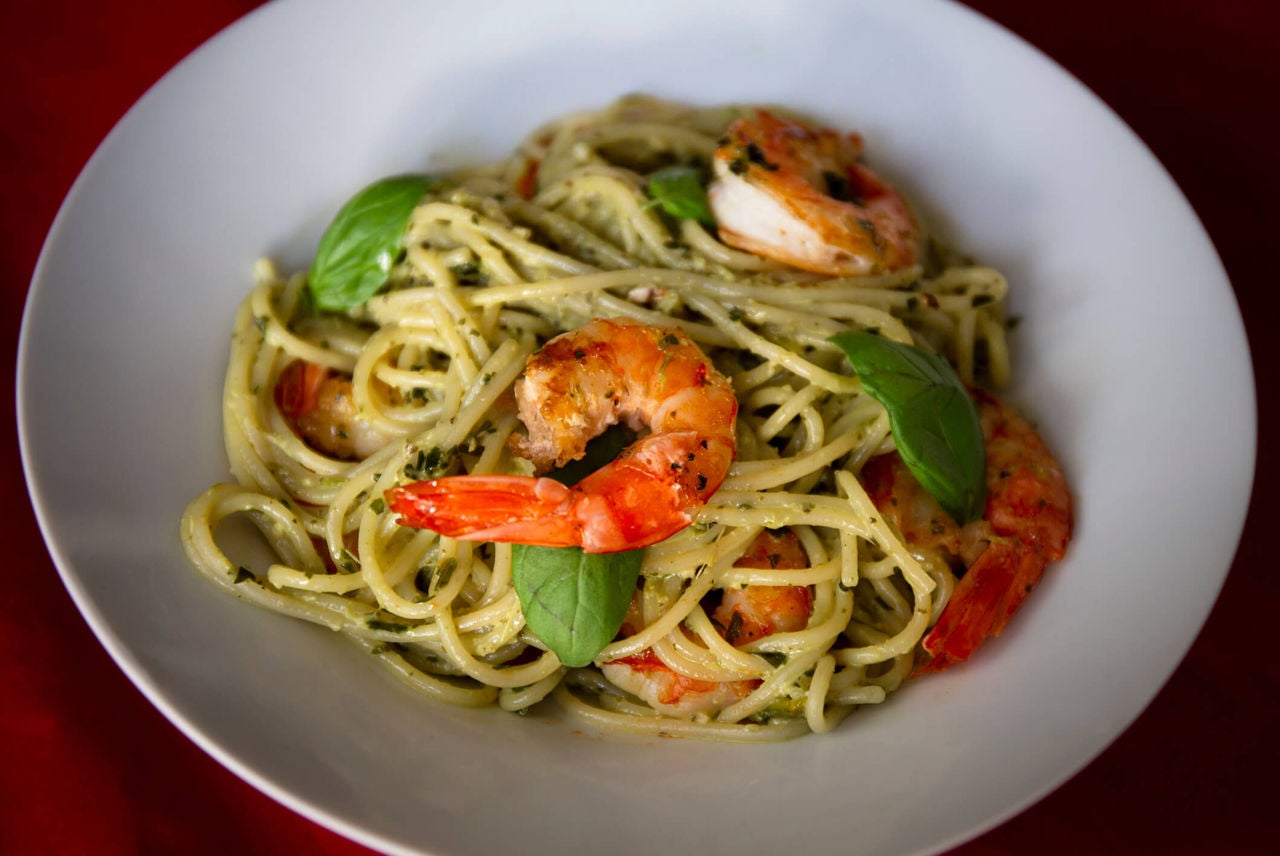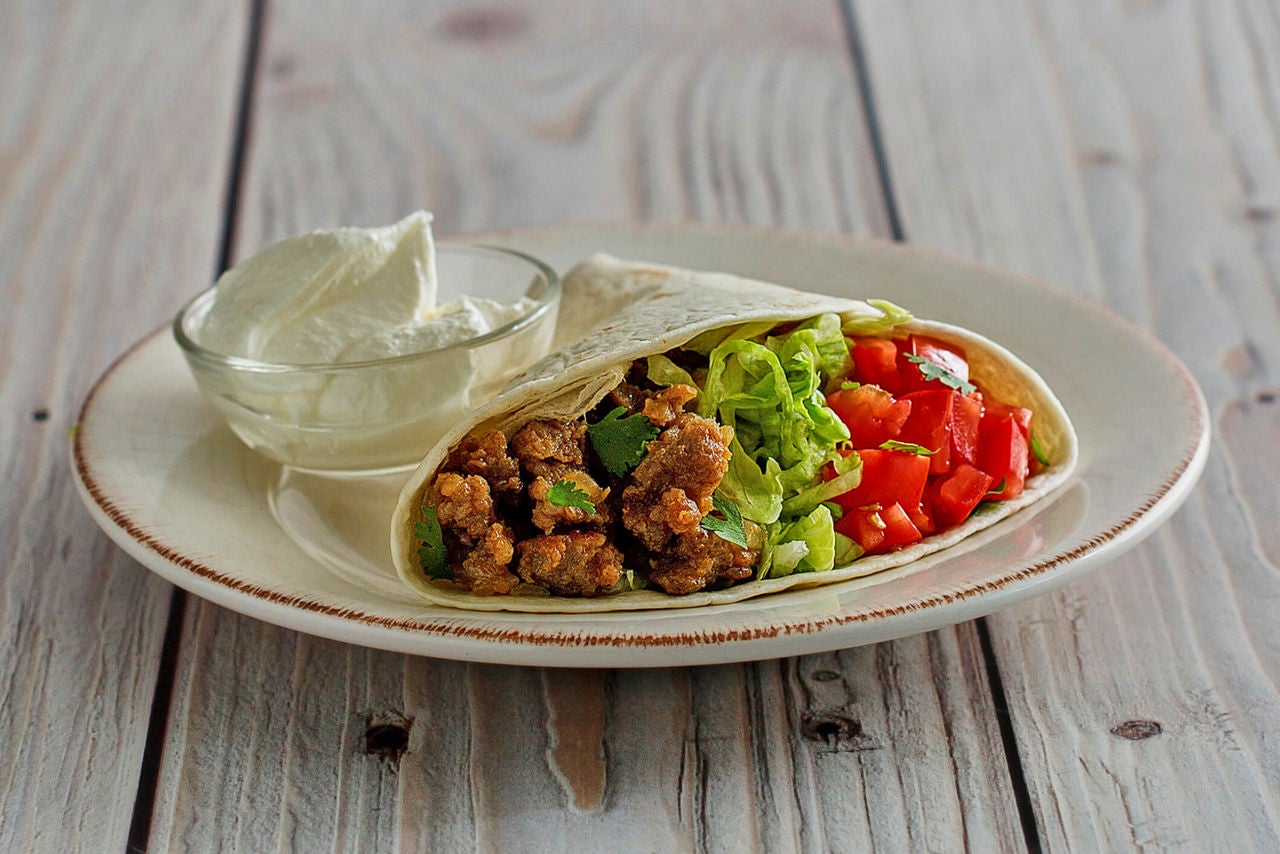
Of course, there’s no one-size-fits-all diet or meal plan when it comes to perimenopause. There are countless different ways the basic nutrition principles might look in practice. We planned meals with an aim to:

  • Balance blood sugar by spreading out carbs and balancing them with protein, fiber and fat
  • Deliver adequate protein at each meal
  • Show how fiber-rich plants can fit in throughout the day
  • Give you flexible swaps

scroll right to see more

Easy swaps & personalization

Not every meal needs to look the same. These simple swaps can help you customize meals so they work better for you—without extra effort.

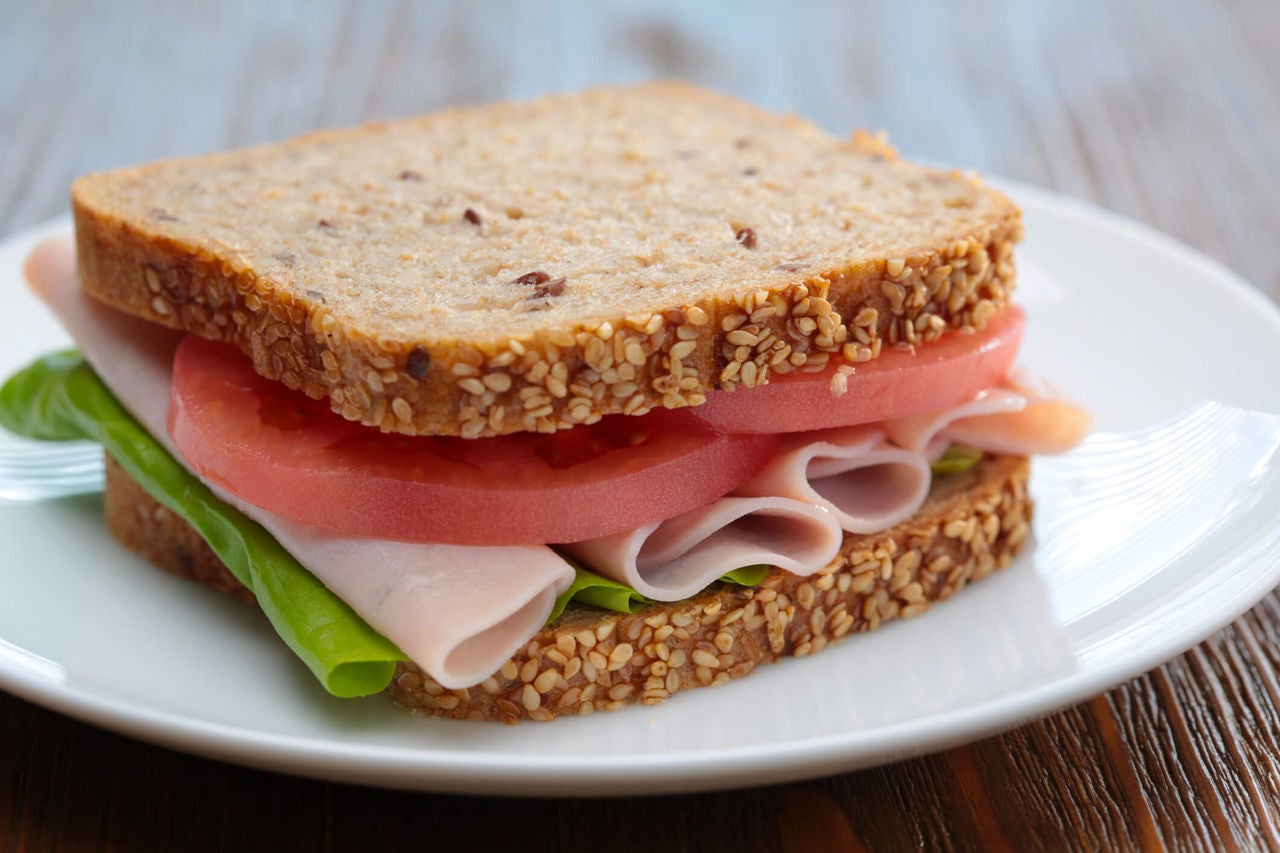
  • Vegetarian/plant-forward swaps: If animal proteins are not on your table, you can swap tofu or other high-protein plant-based substitutes for any of the animal proteins listed.
  • Dairy-free options: Soy milk is going to be your best replacement for dairy in terms of protein. Check the label to make sure it’s fortified with calcium and vitamin D, and that it doesn’t have lots of added sugars.
  • Busy-day shortcuts: Sticking to a single breakfast or lunch several days in a row can be a smart time saver. Likewise, you can batch cook meals and use leftovers for lunch or dinner the next day. Rotate your meal plans weekly to increase variety (important for nutrition and your taste buds!).

Was this article helpful?

Be the first to find this article helpful

0 people found this article helpful

In this article: